On This Day: Major World Events of October 30
On October 30, events in many parts of the world changed the course of history: a dynasty was founded in England, an empire promised a constitution in Russia, a radio drama unsettled listeners in the United States, and the Soviet Union detonated the most powerful explosion ever recorded. The entries below are arranged by year and state the facts only.
In 130, in the Roman Empire, Emperor Hadrian founded the city of Antinoopolis on the east bank of the Nile in Egypt, in memory of Antinous, who had drowned in the river. The city was built with a triumphal arch, a theatre, a hippodrome, and an encircling wall, and became a centre of the cult of Antinous.
In 1340, in Spain and Portugal, the allied armies of King Alfonso XI of Castile and King Afonso IV of Portugal defeated Sultan Abu al-Hasan of the Marinid dynasty of Morocco and Yusuf I of Granada at the Battle of Río Salado, near Tarifa. The Marinids made no further attempt to establish a power base in the Iberian Peninsula after this defeat.
In 1485, in England, Henry Tudor was crowned King Henry VII at Westminster Abbey, founding the Tudor dynasty. He had defeated Richard III at the Battle of Bosworth Field earlier that year, effectively ending the Wars of the Roses.
In 1735, in America, John Adams was born in Braintree, Massachusetts Bay Colony (now Quincy, Massachusetts). He later served as the first vice president and second president of the United States and was a leading statesman of the Revolutionary era.
In 1905, in the Russian Empire, Emperor Nicholas II issued the October Manifesto, which promised civil liberties including freedom of speech, press, and assembly, promised a broad franchise, and created a legislative Duma whose members would be popularly elected and whose approval would be necessary for legislation. Issued during the Russian Revolution of 1905, the document in effect ended unlimited autocracy and ushered in an era of constitutional monarchy.
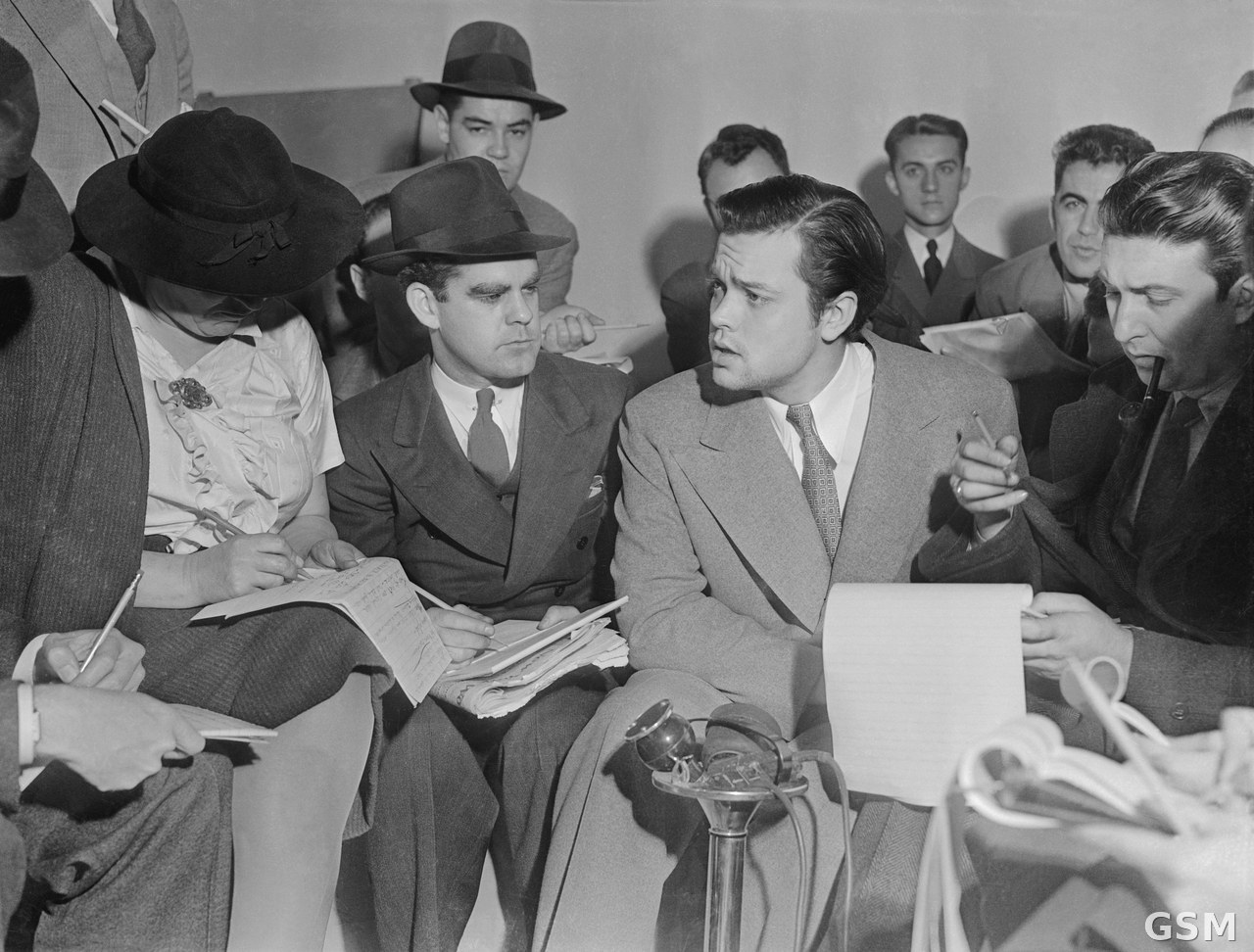
In 1938, in the United States, at 8 p.m. Eastern Time, Orson Welles and the Mercury Theatre on the Air broadcast an adaptation of H. G. Wells's novel The War of the Worlds on CBS, presented as simulated news bulletins describing a Martian landing in New Jersey and an attack on New York City. The broadcast became famous for the alarm reported among some listeners, the scale of which has been debated by later researchers.
In 1961, in the Soviet Union, the USSR detonated the Tsar Bomba thermonuclear device over Novaya Zemlya Island in the Arctic Ocean, the most powerful human-made explosion ever recorded. Designed for a yield of 100 megatons, it was reduced to about 50 megatons to lessen fallout. The flash was visible from about 1,000 kilometres (620 miles) away, and the mushroom cloud rose more than 60 kilometres (37 miles) high.
In 1974, in Zaire (now the Democratic Republic of the Congo), Muhammad Ali knocked out defending champion George Foreman in the eighth round in Kinshasa to regain the world heavyweight title, in the bout known as the Rumble in the Jungle.
In 2003, in the United States, 18-year-old LeBron James made his NBA regular-season debut for the Cleveland Cavaliers at Sacramento, scoring 25 points with nine assists, six rebounds, and four steals in a 106-92 loss to the Kings.
In 2018, in the United States, Boston crime boss James "Whitey" Bulger was found dead at a federal prison in West Virginia, aged 89, one day after being transferred there. He had been convicted in federal court in 2013 of crimes including participation in 11 murders and was serving a life sentence.
Source: GSM · USA (original Chinese edition)
Photo: 1938年《世界大战》广播后奥森·威尔斯与记者见面(资料图)。美国公共领域,经 Wikimedia Commons。 / Orson Welles meeting reporters after the 1938 War of the Worlds broadcast (file photo). Public domain in the United States, via Wikimedia Commons.