Cedars-Sinai: Whole-Genome Sequencing Is Changing Care for Children, Altering Care Plans for About 63% of Diagnosed Cerebral Palsy Cases
Cedars-Sinai in Los Angeles, California, said on October 30 that two studies involving investigators at Cedars-Sinai Guerin Children's and the University of Cambridge, U.K., highlight the growing potential of whole-genome sequencing to transform the diagnosis and treatment of childhood conditions such as cerebral palsy and cancer. Whole-genome sequencing analyzes the roughly 20,000 genes in a person's DNA, usually from a blood or saliva sample, to identify genetic variations that may be linked to disease.
The first study, published in The Lancet Regional Health–Europe, investigated using whole-genome sequencing to identify genetic causes of cerebral palsy, a lifelong condition caused by damage to the developing brain that affects some 18 million people globally. Recent evidence indicates about 1 in 4 people with cerebral palsy may have an underlying DNA mutation, and more than 100 genes are linked to the condition. In the study, care plans were changed for about 63% of children who received a genetic diagnosis, for example by referring a child for cardiology assessment when the cerebral palsy was part of a genetic syndrome with a cardiac component.
The second study, published in Nature Communications, examined rapid whole-genome sequencing, with results in three to seven days rather than several weeks, in 54 children with cancer. The researchers concluded that about 50% of the cases benefited from the faster results: for some children chemotherapy doses were adjusted to fit their metabolism, for others medications were switched, and in one case treatment was withheld.
"Whole-genome sequencing gives us an opportunity to better understand why a child develops a particular condition and, in some cases, to change how we care for that child," said David Rowitch, MD, PhD, deputy director of Research at Cedars-Sinai Guerin Children's and a professor of Paediatrics at the University of Cambridge, the corresponding author of both studies.
Guerin Children's is researching the CTNNB1 gene, commonly found in cerebral palsy patients, and has launched a whole-genome sequencing protocol in its neonatal and pediatric intensive care units. The researchers note that criteria for testing children with cerebral palsy are not yet well established, and that wider U.S. adoption will require institutions to champion the approach and expand access and capacity.
Source: GSM · USA (original Chinese edition)
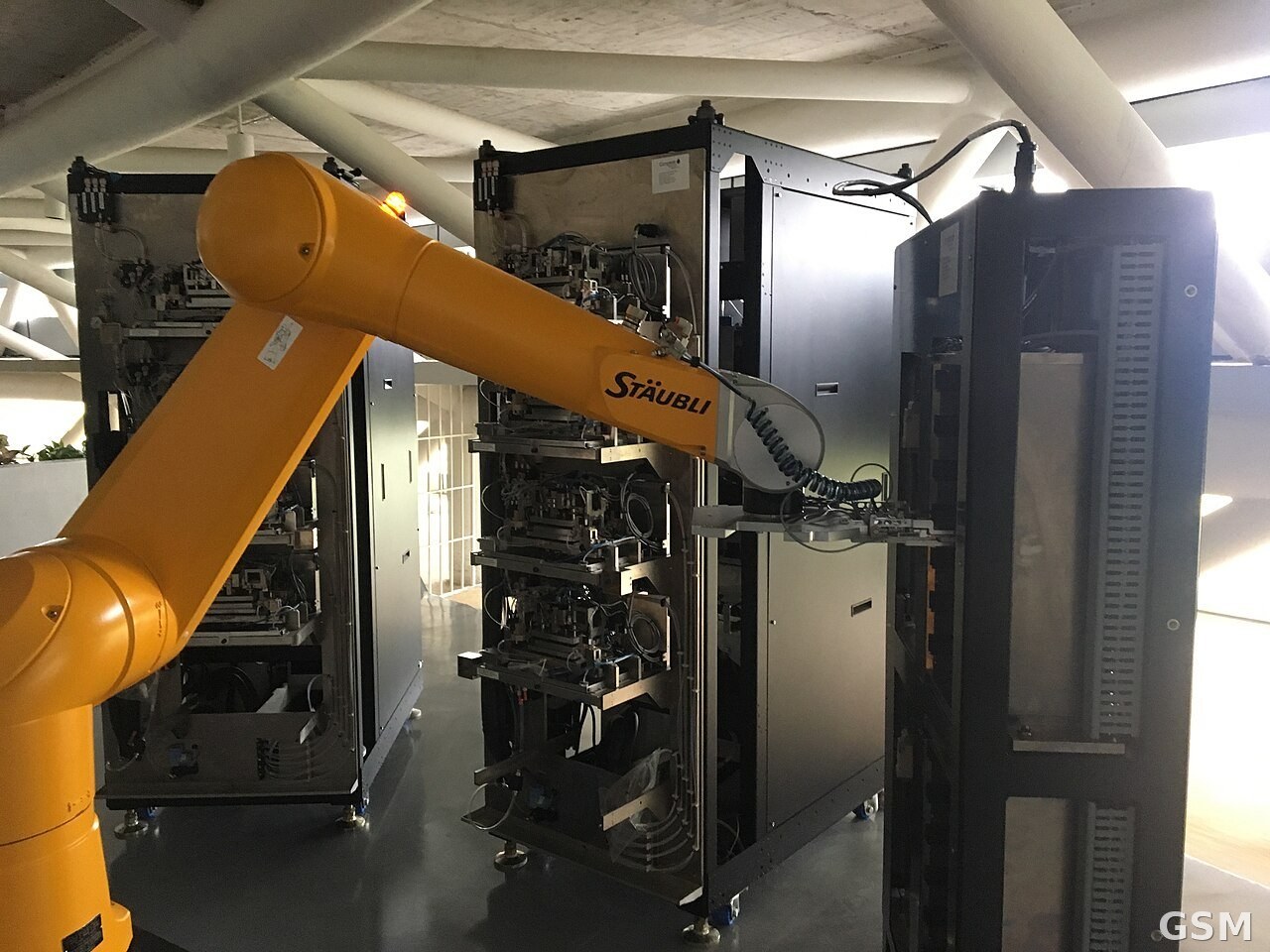
Photo: 图:DNA测序仪(资料图)。Scotted400 摄,CC BY 4.0,经 Wikimedia Commons。 / A DNA sequencer (file photo). Photo by Scotted400, CC BY 4.0, via Wikimedia Commons.