World Bank: Sub-Saharan Africa's Urban Population to Reach 1.7 Billion by 2050, Luanda to Become Largest City
Sub-Saharan Africa's urban population will grow from 913 million in 2025 to 1.7 billion by 2050, adding about 748 million urban residents over 25 years, by which time its urbanisation will be almost complete, according to the World Bank's new report, Sub-Saharan Africa's Urban Awakening, released in late October.
The report says about 15 million young people enter the region's labour markets every year, requiring roughly the same number of new jobs, yet GDP per capita has stagnated at about $4,400, productivity gains remain limited, incomes have grown slowly and many workers remain in informal, low-paying jobs. Urban areas are projected to expand by 90 percent between 2025 and 2050, with 71 percent of urban population growth expected to occur outside existing city boundaries.
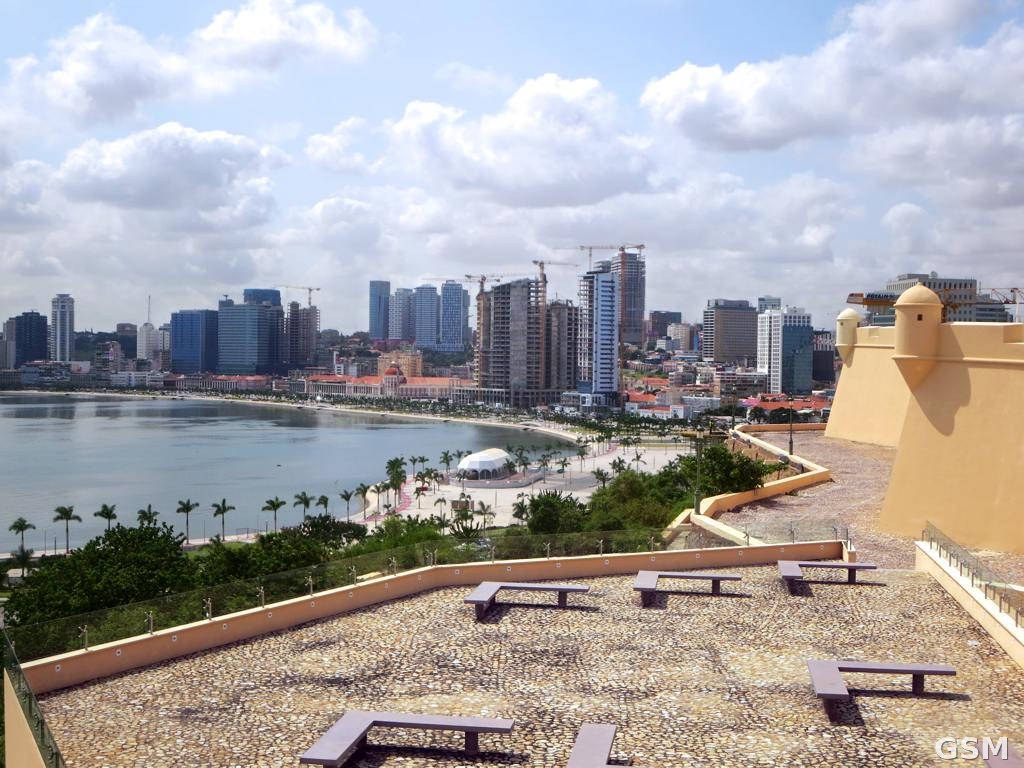
Angola's capital Luanda is projected to grow by 78 percent, from about 11.4 million in 2025 to about 20.3 million by 2050, overtaking Nigeria's Lagos, which grows from 12.8 million to about 16.2 million, as the region's largest city. At least 15 cities are forecast to exceed 7 million people by 2050, compared with just five in 2025.
Paschal Donohoe, the World Bank's chief knowledge officer, wrote in the report's foreword that the decisions made today regarding urban growth can foster job creation, enhance productivity and attract private investment for years ahead. The Bank recommends targeted investment in foundational infrastructure, regulatory reform and private capital mobilisation for cities, their peripheries and small towns, supported by stronger urban governance and finance.
Source: GSM · USA (original Chinese edition)
Photo: 照片:安哥拉首都罗安达天际线,David Stanley 摄,Wikimedia Commons,CC BY 2.0 授权 / Photo: Luanda skyline, Angola, by David Stanley, Wikimedia Commons, CC BY 2.0