Several Canadian Provinces Move to Permanent Year-Round Time Starting November 1
Starting in the early hours of November 1, several Canadian provinces and territories stopped turning their clocks back to standard time and will keep a single year-round time. Manitoba, British Columbia, Alberta and the Northwest Territories did not fall back this autumn for the first time, northwestern Ontario aligned with Manitoba the same day, and Saskatchewan and Yukon had already adopted permanent time. Meanwhile, eastern Ontario, Quebec and Atlantic Canada still turned clocks back one hour at 2 a.m. on November 1 as usual.
The Manitoba government announced on September 17 that the province will remain on daylight saving time permanently. Premier Wab Kinew said the decision followed public input: in a consultation drawing about 72,000 participants, 92 per cent of respondents wanted an end to seasonal clock changes, with 58 per cent preferring permanent daylight time and 34 per cent permanent standard time. Manitoba's year-round time is UTC-5.
Provincial governments say ending the twice-yearly change reduces disruption to sleep, routines and business schedules. Reflecting the new time systems, the Canada Border Services Agency adjusted service hours from November 1 at 26 land ports of entry in British Columbia, Alberta and Manitoba to stay aligned with neighbouring U.S. ports, with the new hours in place until March 14, 2027.
(Source: Government of Manitoba)
Source: Government of Manitoba
Published by GSM · USA (original Chinese edition)
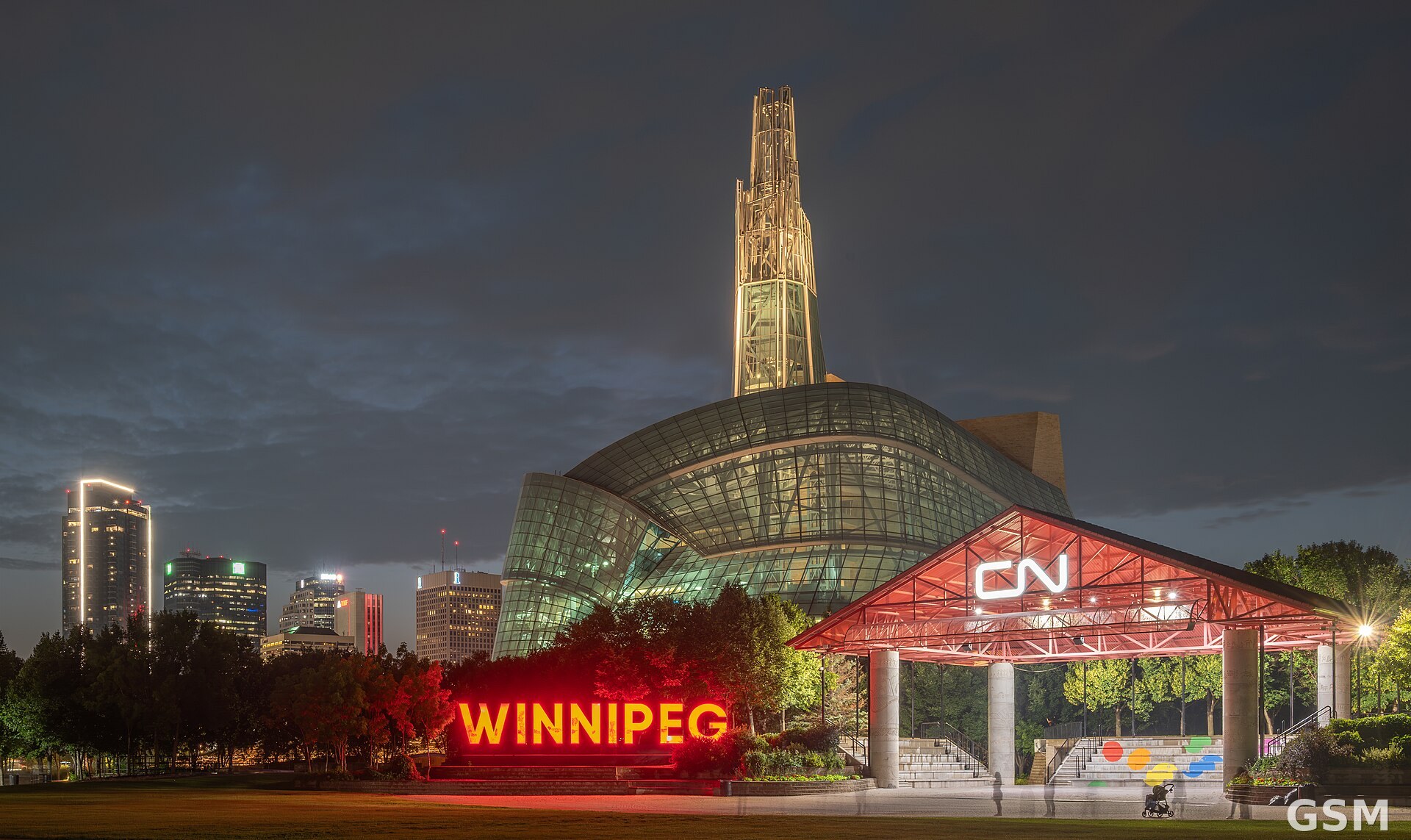
Photo: 图:Manitoba 省首府 Winnipeg 市景(Wikimedia Commons 开放授权) / Photo: Winnipeg, Manitoba (Wikimedia Commons, open licence)