Brazil: Federal Task Force Targets Workplace Electoral Harassment as Court Orders Meta to Remove Posts Within 24 Hours
Days after President Luiz Inácio Lula da Silva won a fourth term in the October 25 runoff, Brazil's federal government announced a coordinated set of measures against what it calls electoral harassment in the workplace, including a federal task force and a court order directed at Meta. The government says the package protects workers' freedom of political choice and holds employers accountable for discriminatory practices.
The federal task force includes the Labor and Employment Ministry, the Labor Prosecutor's Office (MPT), the Attorney General's Office (AGU), the Superior Labor Court (TST), the Electoral Prosecutor's Office and the Justice Ministry. Complaints began arriving as early as election day, Sunday, October 25; Brazilian press reports citing the Labor Prosecutor's Office say the São Paulo branch of the MPT logged 1,459 complaints between October 26 and 29, and the agency's national tally was reported to exceed 3,300. Labor Minister Luiz Marinho said a list of offending employers will be compiled, and violators could face suspended loans.
The most concrete step is the court order against Meta. A São Paulo labor court judge granted a preliminary injunction on October 29 at the MPT's request, giving Meta 24 hours to remove posts urging dismissals over how people voted; the injunction covers 14 specific links identified by prosecutors. Meta must also display a notice on Instagram, Facebook and Threads within 72 hours, for five days, stating that political discrimination and electoral harassment are prohibited. The underlying lawsuit also seeks R$50 million in collective moral damages and a permanent prevention policy from Meta, though those are requests rather than obligations imposed by the injunction. Meta reportedly said it would not comment.
TST President Vieira de Mello Filho said on October 29 that consequences would be very severe, including restrictions on corporate financing and a possible blacklist. Electoral harassment, meaning employer pressure on staff over their vote, is treated as a crime under Brazilian law, and labor prosecutors have pursued such cases in prior election cycles. Critics argue that vague standards such as harassment or discrimination invite overreach in content removal.
Source: GSM · USA (original Chinese edition)
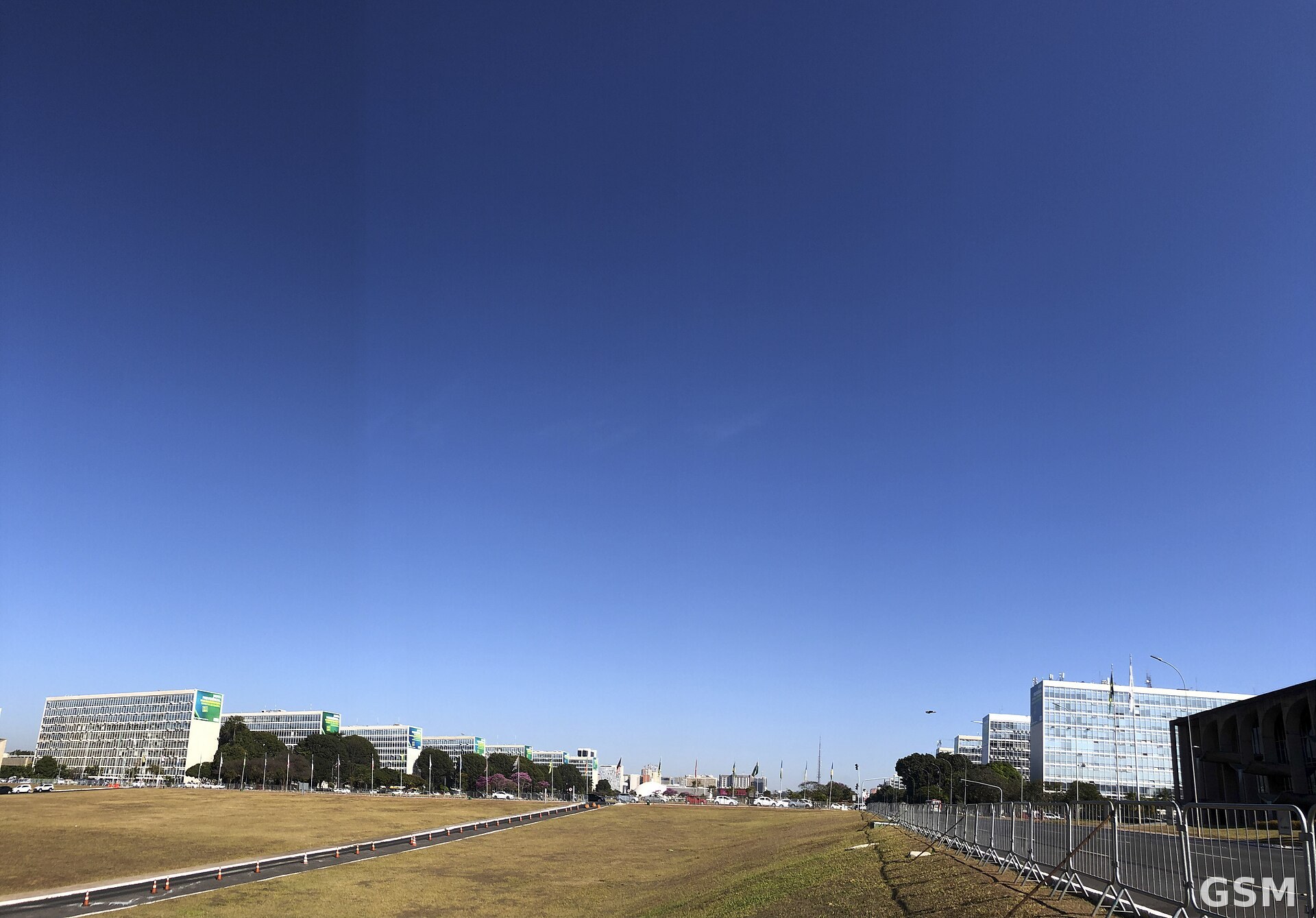
Photo: 照片:巴西首都巴西利亚的部委大道,巴西联邦参议院摄,Wikimedia Commons,CC BY 2.0 授权 / Photo: Esplanada dos Ministérios in Brasília, Brazil, by Senado Federal, Wikimedia Commons, CC BY 2.0