US Voters in a Sour Economic Mood on Election Eve: Reuters Reports Prices and Hourly Earnings Both Up About 5.5% Since January 2025, Leaving Purchasing Power Flat
UNITED STATES, November 2 — Reuters reported on November 2 that on the eve of the November 3 midterm elections, American voters' minds are on the economy: high and rising prices are a key issue, and many blame the president's policies, specifically tariffs and the Iran war, for nagging inflation. President Donald Trump is not on the ballot on November 3, but voters have his economic record in mind as they head to the polls.
The macroeconomic numbers tell a more complex story. The unemployment rate, at 4.2% in September, has measured no higher than 4.5% for five straight years — the longest stretch on record — and weekly unemployment insurance claims are near a 57-year low. The US economy grew at a 3.4% annualized pace last quarter, its strongest performance this year, and business investment rose at an annualized 12.7% pace. One widely tracked measure of confidence published by the Conference Board perked up in October, while the University of Michigan's consumer sentiment index registered a near-record low. Brian Jacobsen, chief economic strategist at Annex Wealth Management, said the confidence index tracks the macroeconomy, while the sentiment index is "more personal," asking people how they are doing financially and how affordable they find their lives to be. "Sentiment is the bigger driver of election outcomes, but confidence is the bigger driver of markets," he said.
Treasury Secretary Scott Bessent told CNBC last week that consumer behavior and corporate behavior are quite strong. But Torsten Slok, chief economist at Apollo Global Management, wrote in a mid-October note that a sharp reset in AI expectations could undermine corporate confidence, trigger a pullback in capital expenditure and weigh on GDP growth, just as higher oil prices, tariffs and tighter immigration restrictions push inflation higher, raising the risk of a stagflationary environment in which growth slows even as price pressures persist.
Reuters cited data from the US Bureau of Labor Statistics showing that consumer prices and average hourly earnings have both risen about 5.5% since January 2025: from a purchasing-power perspective, workers are no worse off, but also no better off, than when Trump came into office in January 2025. The US central bank raised its policy rate in September and is expected to increase borrowing costs again in December; Fed Chairman Kevin Warsh calls the approach "monetary medicine" to bring down inflation without, he says, the need "to throw sand in the gears of the economy and throw people out of work." Thirty-year mortgage rates that have topped 7%, combined with a shortage of housing supply that has driven up home prices, have put home purchases out of reach for many people.
(Source: Reuters)
Source: Reuters
Published by GSM · USA (original Chinese edition)
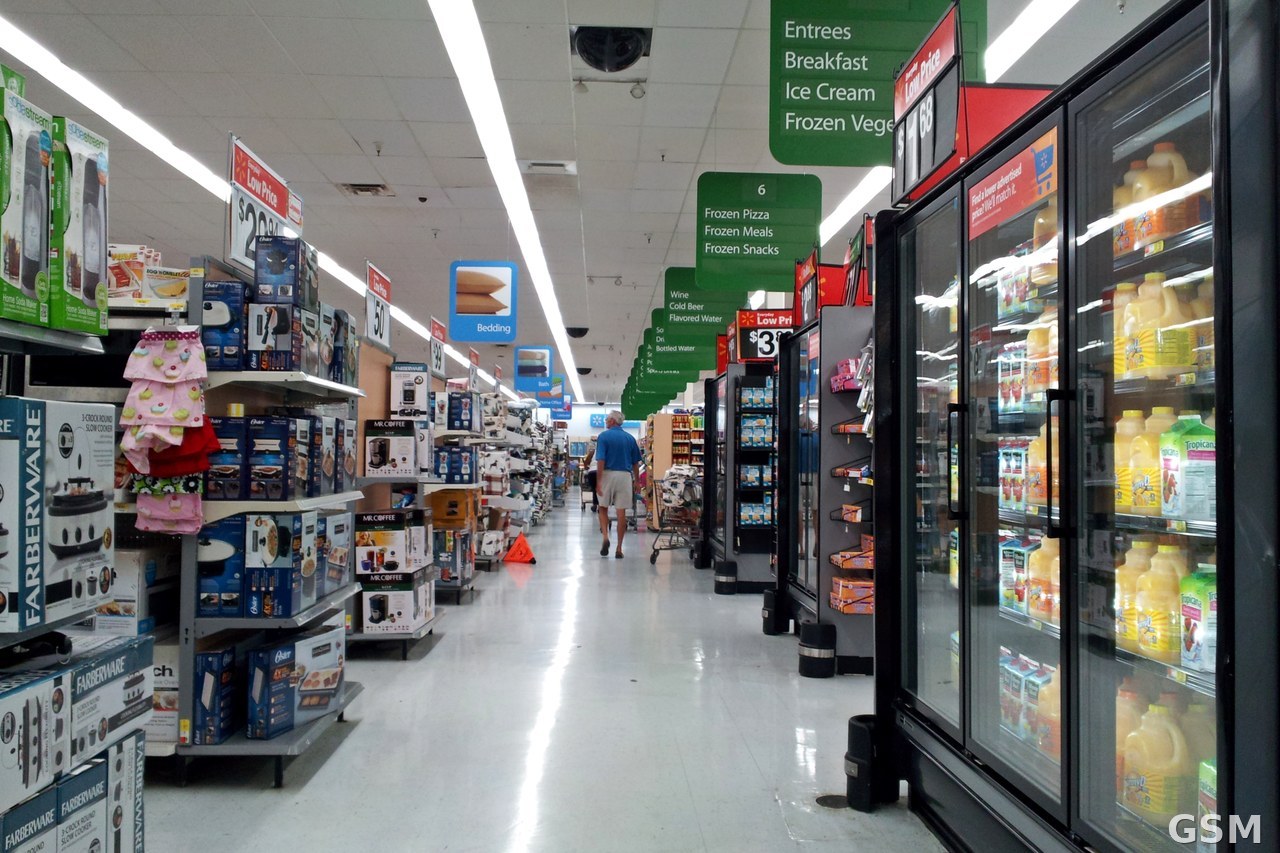
Photo: 美国一家超市的货架通道。 A supermarket aisle in the United States. CC BY-SA 2.0,图片来源:Wikimedia Commons。 CC BY-SA 2.0, via Wikimedia Commons.