Rancho Research Institute Wins $3.04 Million Federal Award to Continue Southern California Spinal Cord Injury Model System
Rancho Research Institute (RRI), affiliated with Rancho Los Amigos National Rehabilitation Center in Downey, in Los Angeles County, California, announced on November 2 that it has received a five-year, $3,044,450 award from the National Institute on Disability, Independent Living, and Rehabilitation Research (NIDILRR) to continue the Southern California Spinal Cord Injury Model System (SoCal-SCIMS) at Rancho. The award runs through September 2031.
SoCal-SCIMS is one of only 14 federally designated Spinal Cord Injury Model System centers nationwide. Serving a region of 9.7 million people in Los Angeles County, it has contributed more than 3,200 records to the National SCI Database, including about 1,800 people enrolled for long-term follow-up after first being treated for spinal cord injury at Rancho, which has held this national role for 46 years.
Two new studies will tackle priorities named by people with SCI. SPINE-VR, a new approach to neuropathic pain, adds interactive, movement-driven virtual reality paired with mild brain stimulation, and a randomized clinical trial will enroll 68 participants. Active for Life will survey at least 250 participants nationwide to identify what keeps people with SCI active, as Los Angeles prepares to host the 2028 Paralympic Games.
"Rancho has a long history of advancing spinal cord injury care through research and clinical expertise," said Jeffery Rankin, PhD, SoCal-SCIMS Project Director. Philip Requejo, PhD, chief executive officer of Rancho Research Institute, said the investment connects research with the needs of the community served.
(Source: Los Angeles County Department of Health Services)
Source: Los Angeles County Department of Health Services
Published by GSM · USA (original Chinese edition)
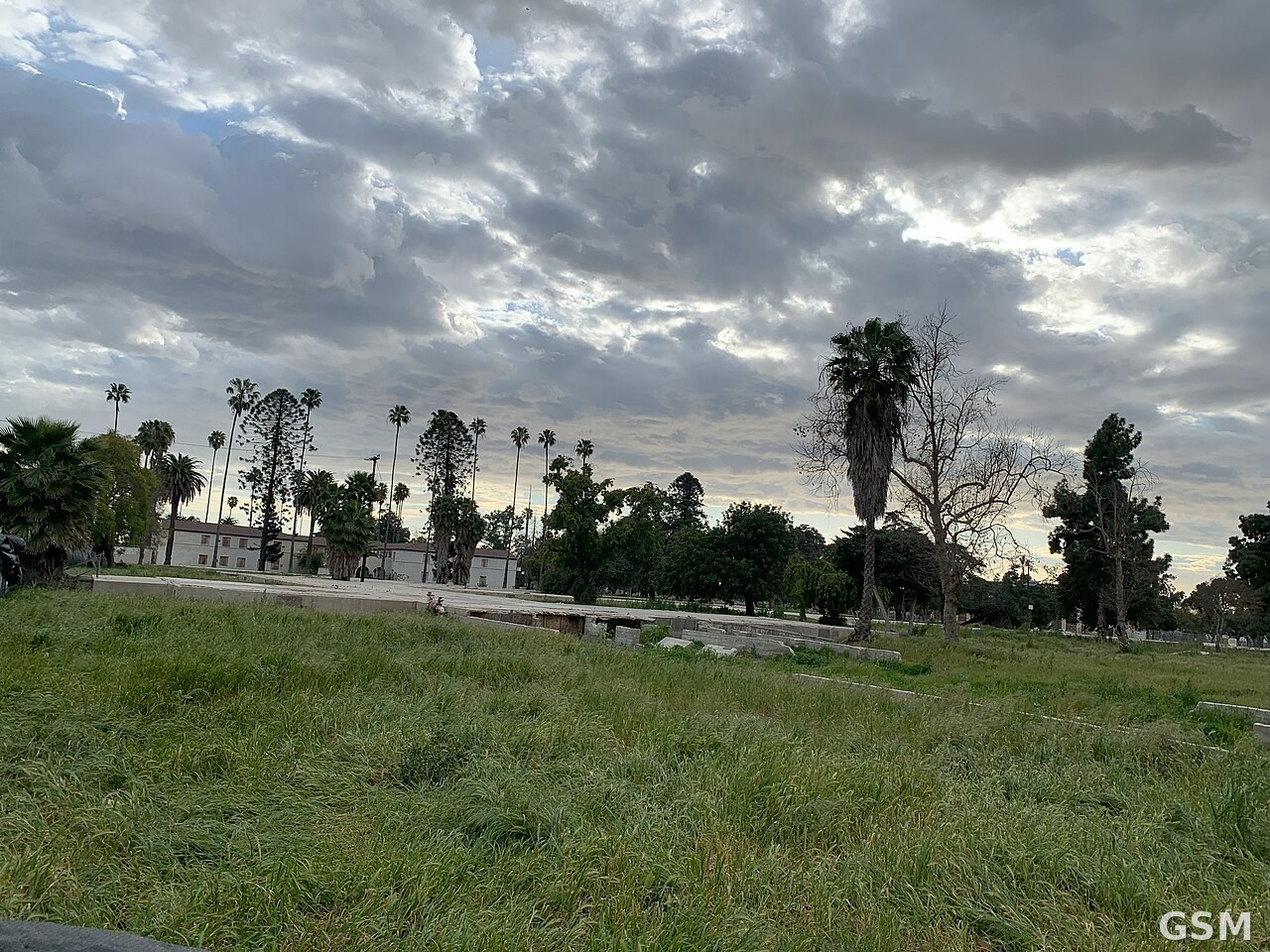
Photo: 图:位于 Downey 的 Rancho Los Amigos 园区建筑(2024年3月)。PontiacAurora 摄,CC0,经 Wikimedia Commons。 / Photo: A building on the Rancho Los Amigos campus in Downey, March 2024. Photo by PontiacAurora, CC0, via Wikimedia Commons.