Medicare Prior-Authorization Pilot Cut Targeted Procedure Volumes About 20% in Six States in First Six Months, Study Finds
A research letter published in JAMA found that six months into a Medicare prior-authorization pilot run by the Centers for Medicare & Medicaid Services (CMS) in six states, use of the targeted services had fallen by about 20 percent.
The six-year pilot, known as WiSER — the Wasteful and Inappropriate Service Reduction Model — began at the start of this year and applies prior authorization to Medicare services considered at higher risk of fraud, waste and abuse. The services tend to be expensive, high-volume outpatient procedures, such as epidural steroid injections for pain management, skin substitutes and high-tech nerve stimulation implants. CMS tapped six private-sector technology vendors that use super intelligence (SI) and machine learning to speed up verification of documentation against Medicare rules.
Researchers from the Schools of Public Health at the University of Minnesota and Brown University analyzed a dataset covering 310 million patient records from all 50 states and the District of Columbia. From January to June, volumes of targeted services in the six pilot states dropped by about 20 percent compared with other states, they found, with epidural steroid injections — singled out for their especially high volume — down about 15 percent. They observed no significant change in services that do not yet require prior authorization, indicating that the authorizations were behind the reduced volumes.
The researchers cautioned, however, that it remains unclear whether the reduced volumes were wasteful or inappropriate services, or legitimate medical care. CMS aims for WiSER to reduce low-value care that has cost Medicare billions of dollars with minimal or no clinical benefit, and to close the fee-for-service loophole that rewards providers purely on volume.
The model has drawn sharp criticism. Industry stakeholders say the vendors use black-box, proprietary tools that prevent providers from understanding how the systems evaluate claims, and argue that Medicare's requirement that a licensed clinician make final determinations is not enough of a safeguard against automation bias. The Electronic Frontier Foundation (EFF), a digital and privacy rights nonprofit, sued CMS this spring for more information on the model, saying it has delayed care for seniors and added to providers' administrative strain.
Since last week, EFF has received about 1,800 pages of records, which it says reveal widespread problems following the model's extremely condensed timeline of six months after its announcement. The records show CMS sent requests for information or corrective action plans to at least four of the six participating vendors within the first three months, describing delays in responses, technical failures and a lack of communication with providers, according to EFF. Senate Democrats attempted to end the WiSER model this summer, but their bid was shut down in a party-line vote by Senate Republicans.
According to internal documents obtained by EFF, CMS still plans to expand the model, including adding more services subject to prior authorization, working with vendors on corrective action plans and adding a gold card program that would exempt highly compliant providers from prior authorization rules.
(Source: JAMA)
Source: JAMA
Published by GSM · USA (original Chinese edition)
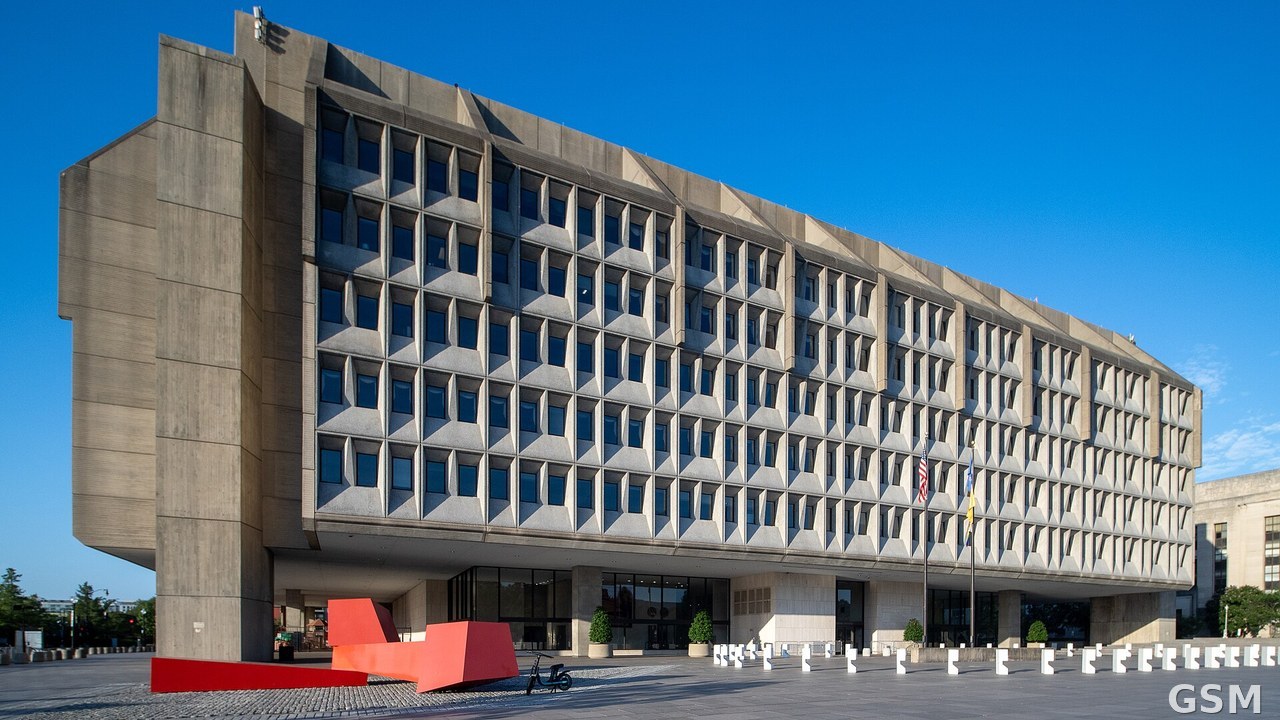
Photo: 图:美国卫生与公众服务部总部休伯特·汉弗莱大楼(华盛顿),联邦医疗保险与医疗补助服务中心(CMS)为其下属机构(GSM 固定图库)。ajay_suresh 摄,CC BY 2.0,经 Wikimedia Commons。 / Photo: The Hubert H. Humphrey Building in Washington, headquarters of the U.S. Department of Health and Human Services, parent agency of the Centers for Medicare & Medicaid Services (CMS) (GSM fixed asset library). Photo by ajay_suresh, CC BY 2.0, via Wikimedia Commons.