Follow-up: Cyclone Murasu's Damage Emerges in Andhra Pradesh: No Casualties Reported, About 30,000 Evacuated
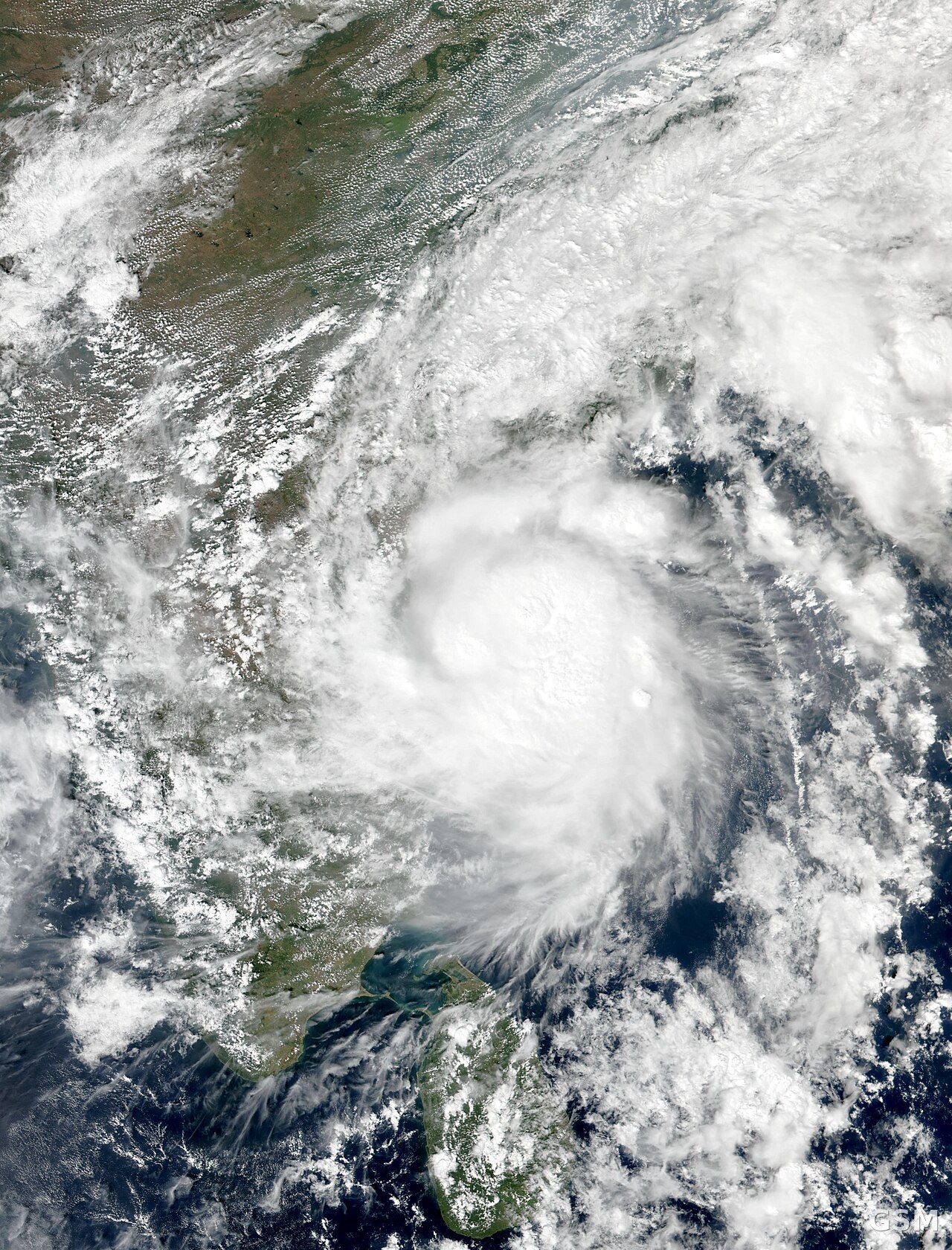
BHUBANESWAR, India — Cyclone Murasu made landfall along India's eastern coast on Tuesday, the India Meteorological Department said, the second storm to hit the region in a week as authorities evacuated thousands of people to safety. The severe cyclonic storm crossed the coast of the south-eastern state of Andhra Pradesh between 03:30 and 05:30 local time, close to Ongole in Prakasam district, between Nellore and Narsapur, with sustained winds of 100-110 kph (62 to 68 mph) and gusts of up to 120 kph.
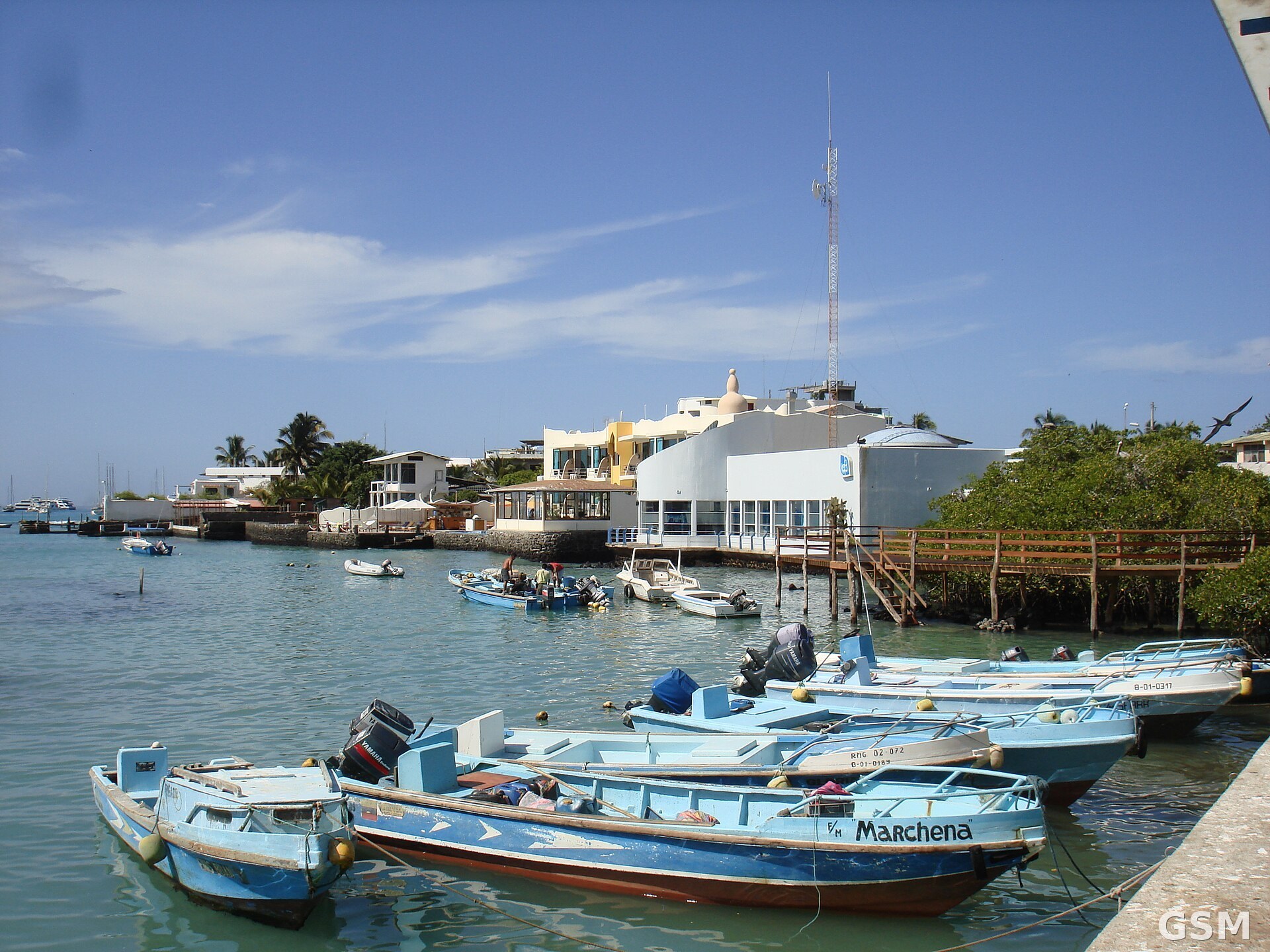
Prakhar Jain, Managing Director of the Andhra Pradesh State Disaster Management Authority, told Reuters that no deaths or injuries had been reported so far, although some trees and electricity poles were uprooted. The Press Trust of India reported heavy rainfall and gusty winds in Prakasam and Bapatla districts, causing extensive damage to standing crops, flooding in many places and wrecked fishing boats. Authorities began evacuations on Monday and planned to move about 30,000 people to safety in Andhra Pradesh; the Associated Press reported that schools were closed and some train services and flights halted.
The India Meteorological Department forecast that Andhra Pradesh and neighbouring Tamil Nadu to its south would be worst hit, with heavy rainfall continuing in southern coastal Andhra Pradesh for the next 12 hours and a possible storm surge of up to 1.5 metres along the coast. Murasu formed over the Bay of Bengal. The previous cyclone, Arnab, classified as a very severe cyclonic storm, made landfall in Andhra Pradesh last Wednesday and killed at least six people.
Source: Reuters
Published by GSM · USA (original Chinese edition)
Photo: 气旋“穆拉苏”2026年11月2日卫星云图。图像:NOAA Suomi-NPP 卫星 VIIRS/NASA Worldview,公共领域,经 Wikimedia Commons / Satellite image of Cyclone Murasu on 2 November 2026. Image: VIIRS imagery from NOAA's Suomi-NPP satellite / NASA Worldview, public domain, via Wikimedia Commons