Follow-Up: Iran Says U.S. Reply Is 'Not Convincing': Seven Conditions Must Be Answered and Met before Hormuz Reopens
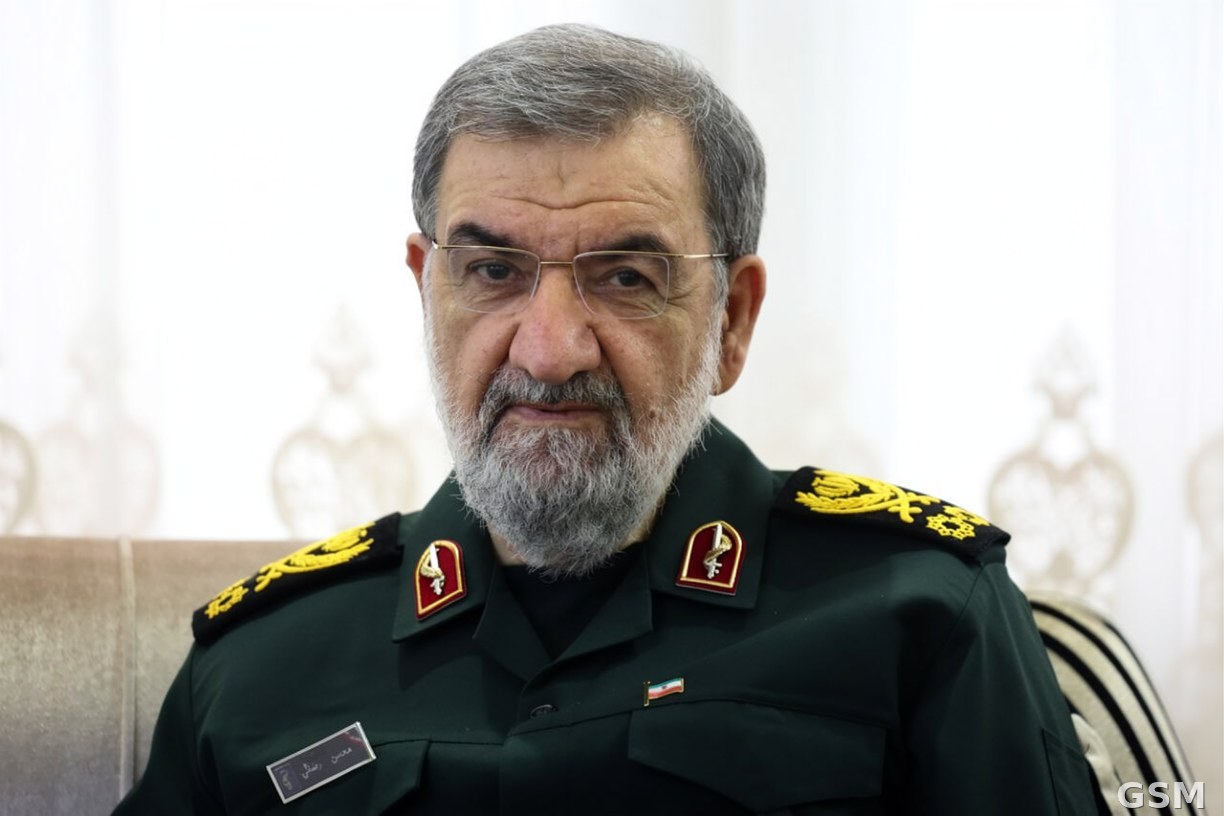
Mohsen Rezaei, secretary of Iran's Supreme National Security Council, wrote on X on November 3 that the U.S. response to Iran's rights and demands was 'not convincing,' and that Washington must respond fully and explicitly to Iran's seven conditions and act upon them. 'Only in this case will the Strait of Hormuz be reopened,' he added. He did not specify which U.S. communication he was referring to.
The seven conditions are the points of the plan Tehran submitted to Washington through mediators in September. As reported by multiple outlets, they include a ceasefire across the Middle East, the release of frozen Iranian assets, the lifting of sanctions on Iran's oil sector and permission for oil sales, an end to the U.S. naval blockade of Iranian ports, war reparations, a withdrawal or reduction of U.S. forces in the Middle East together with an end to threats and interference, and a permanent end to the war rather than a mere ceasefire. Foreign Ministry spokesman Esmaeil Baghaei said on November 2 that the 'seven-step' plan remained the basis of the talks but had been condensed and could be implemented within two days, and that Iran would return to nuclear talks only after verifying that all its conditions had been met.
Also on Tuesday, a senior Iranian official told Reuters that Tehran will not begin negotiations on its nuclear program until Washington accepts its conditions for reopening the Strait of Hormuz, that the two countries remain far from an agreement to end the war, and that Iran will reject what it considers excessive U.S. demands; the official added that Iran's response to any strikes would not be confined to the region. According to an official briefed on the talks, Qatari mediators expected both sides to respond within 36 hours to a new proposal. Iran's negotiating team spokesman the same day denied reports that a deal was close.
The statements came at a sensitive moment on U.S. election day: U.S. forces carried out limited strikes on Iran's Qeshm Island on November 2, and President Trump said the same day that a deal 'could happen,' answering 'no' when asked whether he was considering striking Iran after the elections. The war, launched by the United States and Israel on February 28, is in its ninth month; the Strait of Hormuz remains closed, the U.S. blockade of Iranian ports continues, and Qatar and Pakistan are mediating between the sides.
Related: Follow-up: U.S.-Iran contacts continue through Qatari mediation without a breakthrough
Related: Follow-up: Vance says U.S.-Iran talks are making progress, no deadline set for resuming strikes
Source: Supreme National Security Council of Iran
Published by GSM · USA (original Chinese edition)
Photo: 图:伊朗最高国家安全委员会秘书 Mohsen Rezaei(2026年8月)。照片 CC BY 4.0,作者 Mehr News Agency,经 Wikimedia Commons。 / Photo: Mohsen Rezaei, secretary of Iran's Supreme National Security Council, in August 2026. CC BY 4.0, by Mehr News Agency, via Wikimedia Commons.
- 2026-10-30Trump: Vance's Letter to Iran's Security Chief Was About Medical Supplies, Not a Directed Push to Revive Peace Talks
- 2026-10-30Follow-Up: Trump Says War With Iran Will Be "Wrapped Up Soon," Insisting on a Guarantee Tehran Never Gets a Nuclear Weapon
- 2026-11-02US Carries Out Limited Strikes on Iran's Qeshm Island After Iranian Fire at US Aircraft, Officials Say
- 2026-11-02Follow-Up: Vance Says US-Iran Talks Have Made Progress, With No Deadline Set for Resuming Strikes
- 2026-11-02Follow-up: U.S.-Iran Talks End Without Breakthrough but Contacts Continue: Tehran Says Condensed Seven-Step Plan Could Reopen Strait of Hormuz Within Two Days
- 2026-11-02Israeli UN Envoy Danon Denies Netanyahu Is Pressing Trump to Resume Strikes on Iran
- 2026-11-03Follow-Up: Iran Says U.S. Reply Is 'Not Convincing': Seven Conditions Must Be Answered and Met before Hormuz ReopensThis story