On This Day: November 4, From the Discovery of Tutankhamun's Tomb to Obama's Election
November 4 has carried some of history's most consequential moments.
In 1777, George Washington learned of a plot to replace him as commander of the Continental Army with Horatio Gates. In 1791, U.S. forces suffered a devastating defeat at the Battle of the Wabash. In 1842, Abraham Lincoln married Mary Todd in Springfield, Illinois.
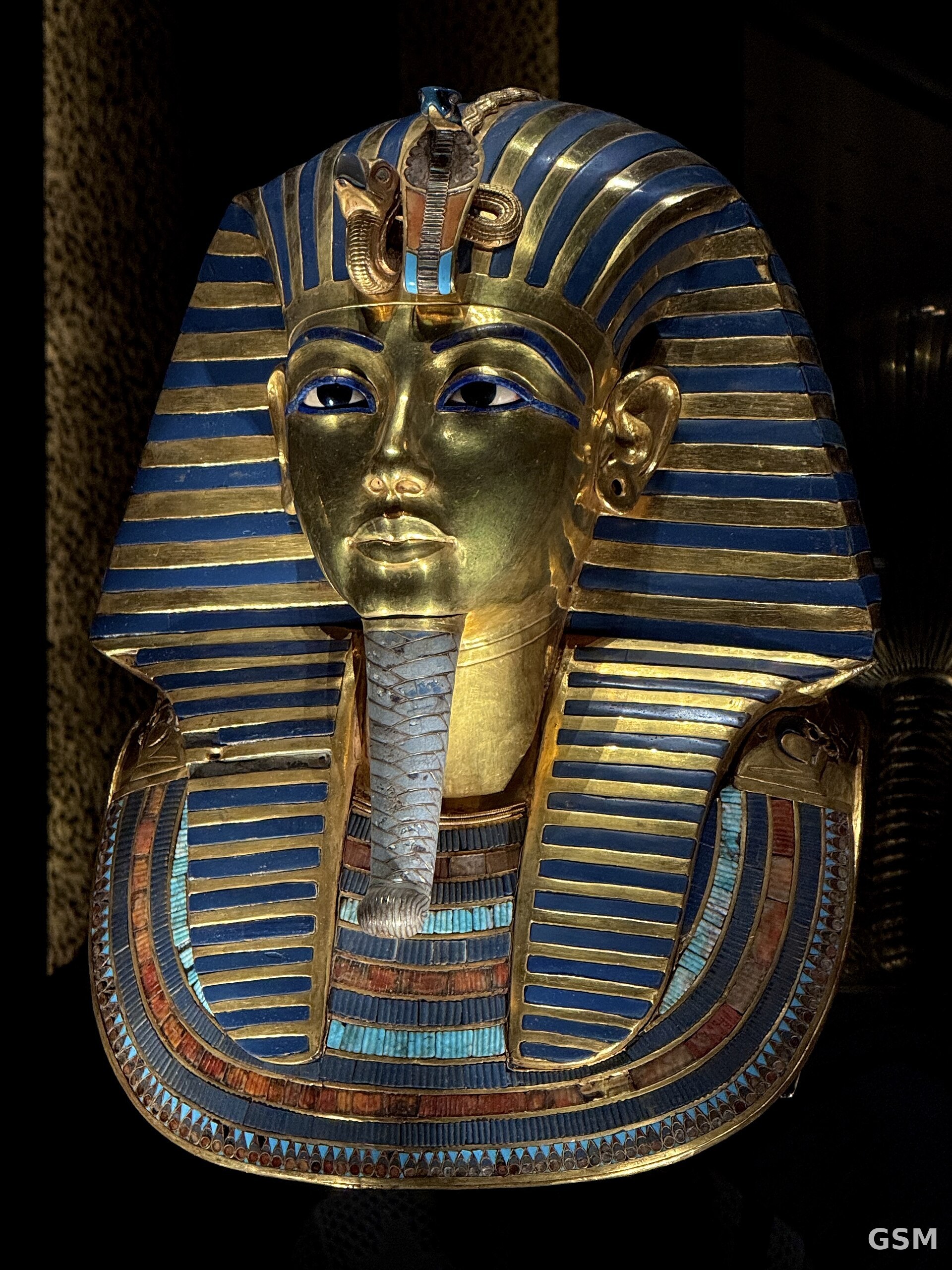
British poet Wilfred Owen was killed in action in 1918, one week before the First World War armistice. In 1922, archaeologist Howard Carter discovered the steps leading to Tutankhamun's tomb in Egypt's Valley of the Kings, beginning the most famous archaeological find of the 20th century. In 1924, Nellie Tayloe Ross and Miriam Ferguson were elected governors, becoming the first women to win U.S. governorships.
UNESCO's constitution took effect in 1946. Poet T.S. Eliot won the Nobel Prize in Literature in 1948. Soviet forces crushed the Hungarian Revolution in 1956. In 1960, Jane Goodall observed chimpanzees making and using tools at Gombe, reshaping scientific understanding of what makes humans unique.
In 1979, Iranian students seized the U.S. Embassy in Tehran, taking 52 Americans hostage in a crisis that lasted 444 days. Ronald Reagan defeated President Jimmy Carter in the 1980 election. Israeli Prime Minister Yitzhak Rabin was assassinated after a peace rally in Tel Aviv in 1995.
In 2008, Barack Obama was elected the 44th President of the United States, the first African American to win the office. In 2016, the Paris Agreement on climate change entered into force.
(Source: HISTORY.com)
Published by GSM · USA (original Chinese edition)
Photo: 图坦卡蒙黄金面具,1922年11月4日其陵墓入口台阶被发现。The golden mask of Tutankhamun, whose tomb entrance steps were discovered on November 4, 1922. Photo: Dawid Wdowczyk / Wikimedia Commons (CC BY 4.0)