Follow-Up: Judge Finds CFTC Likely Lacked Authority to Approve Stock Perpetuals but Lets Trading Continue
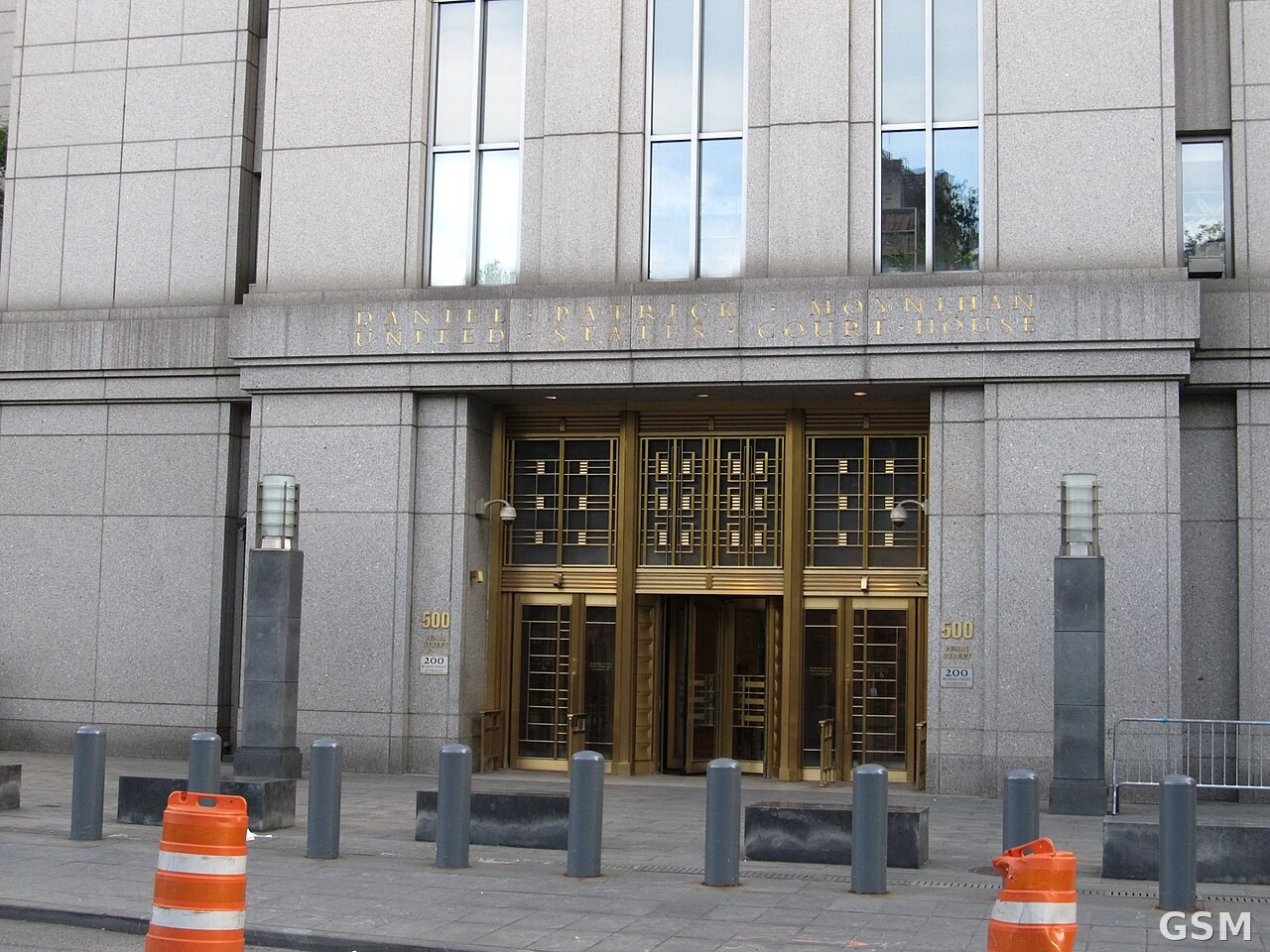
U.S. District Judge Valerie Caproni of the Southern District of New York ruled on November 3 that the Capital Markets Alliance Association, which is suing the Commodity Futures Trading Commission (CFTC), is likely to succeed on the merits of its claim that the CFTC lacks statutory authority to allow perpetual derivatives on individual stocks to be offered to retail investors. The perpetual contracts "appear to satisfy the definition of a swap," she wrote, a product regulated by the Securities and Exchange Commission (SEC) rather than the CFTC.
Judge Caproni nevertheless denied the alliance's emergency bid for a temporary restraining order, because the alliance had not shown that its members faced harm that was "actual and imminent," allowing Kalshi to begin listing the markets on Tuesday. She also found that the balance of equities and the public interest favored the alliance, writing that the CFTC's actions "seem to represent a major disruption to the equities market." Because the contracts do not provide for a "sale for future delivery of a single security," she wrote, "they cannot be a security future over which the CFTC has statutory and regulatory authority."
The case, Capital Markets Alliance Association v. Commodity Futures Trading Commission (No. 1:26-cv-09608, S.D.N.Y.), challenges the CFTC's approval of stock perpetual filings by Kalshi, Coinbase Derivatives and Bitnomial. The three exchanges filed on September 18, and under CFTC rules a contract filed for approval is deemed approved if the agency takes no action within 45 days; that period ended November 2. CFTC Chairman Michael Selig confirmed in a November 3 statement that the equity perps were deemed approved pursuant to Commission Regulation 40.3 as security futures products under joint CFTC and SEC oversight, saying U.S. traders would no longer be forced to turn to offshore, often unregulated venues. GSM reported the approval on November 3.
Kalshi's stock perps went live as the case unfolded. As of 5:30 a.m. ET on November 4, Kalshi's stock perps page listed four contracts, on Qualcomm, McDonald's, Amgen and Costco, each with maximum leverage of 4.9 times and combined 24-hour volume of about $7.85 million, led by Qualcomm at about $3.85 million, according to Gaming America. Kalshi's listing standards limit single-stock perps to companies worth at least $100 billion and set a minimum margin of 15.5 percent of a position's value, which would permit leverage of about 6.5 times; trading runs from 6 p.m. ET Sunday to 5 p.m. ET Friday, including overnight hours when U.S. stock exchanges are closed.
The CFTC struck back. A spokesperson called the lawsuit "troubling," telling Reuters: "Our markets should be governed by law, not litigation campaigns intended to block innovation." The SEC declined to comment on the litigation to Reuters. The alliance's named members include Cboe Global Markets and market maker Citadel Securities; Cboe CEO Craig Donohue said in a statement that the issue is about investor protection for securities trading and the rule of law.
The judge ordered the CFTC to answer the alliance's request for a preliminary injunction by November 6, with the alliance's reply due November 10. If a preliminary injunction is granted after November 10, Kalshi's four stock perps could be halted within weeks of launch, and an injunction on the alliance's terms would also bar the CFTC from giving effect to the Coinbase Derivatives and Bitnomial approvals. Separately, the SEC retains the power, for 60 days after the exchanges' security futures listing standards take effect, to summarily abrogate them and force a full review.
(Source: U.S. District Court for the Southern District of New York)
Source: U.S. District Court for the Southern District of New York
Published by GSM · USA (original Chinese edition)
Photo: 图:位于 New York 的 Daniel Patrick Moynihan 联邦法院大楼入口,该法院审理资本市场联盟诉商品期货交易委员会案。Ken Lund 摄,CC BY-SA 2.0,经 Wikimedia Commons。 / Photo: Entrance of the Daniel Patrick Moynihan United States Courthouse in New York, where the Capital Markets Alliance case against the CFTC is being heard. By Ken Lund, CC BY-SA 2.0, via Wikimedia Commons.
- 2026-11-03CFTC: Equity Perpetual Futures Can Begin Trading for the First Time on Regulated Exchanges
- 2026-11-04Follow-Up: Judge Finds CFTC Likely Lacked Authority to Approve Stock Perpetuals but Lets Trading ContinueThis story