South Africa Survey: 90% Saw Local Elections as Free, 91% as Fair, as Trust in the IEC Slips to 81%

The Human Sciences Research Council (HSRC) released the results of its 2026 Election Satisfaction Survey (ESS) on November 6 at the National Results Operations Centre in Midrand: the overwhelming majority of voters regarded South Africa's 2026 Local Government Elections, held on November 4, as free and fair, with 90% expressing confidence that the electoral procedures were free and 91% satisfied that they were fair.
The survey was conducted on behalf of the Electoral Commission of South Africa (IEC). According to South African media reports, fieldworkers interviewed 13,198 voters at 300 voting stations across all nine provinces on Election Day. Briefing the media, HSRC researcher Dr Ben Roberts said the survey found that perceptions of electoral integrity remained strong, reflecting continued public confidence in the country's electoral processes. The HSRC has conducted the ESS since 1999; its findings are used as one of the measures to determine whether elections in South Africa are free and fair, and the results are read out as part of the official election declaration.
The results showed that 95% of voters were satisfied that their votes remained secret, consistent with the high levels of confidence in ballot secrecy recorded in previous elections. "Voter confidence in ballot secrecy remains exceptionally high and remarkably consistent over time. In 2026, 95% of voters were satisfied that their vote remained secret," Dr Roberts said. Furthermore, 83% of voters indicated that they were either completely or very confident that their votes would be accurately counted.
Voters who expressed confidence in the IEC cited its perceived professionalism, competence, fairness and impartiality, as well as accurate vote counting and the Commission's record of administering elections. Positive personal experiences with electoral officials and confidence in ballot secrecy also featured prominently. One respondent said: "I think the IEC has one of the most difficult jobs to do in this country and they do it well."
Despite these largely positive assessments, the survey highlighted a gradual decline in trust in the IEC. Trust in the Commission stood at 81% in 2026, down from 85% in 2024, 89% in 2021 and 93% in 2019; in 2016, it stood at 91%. Meanwhile, 5% of voters said they distrusted or strongly distrusted the Commission, while 14% were neutral, uncertain or declined to respond.
The 5% who expressed distrust cited perceived corruption and dishonesty, doubts about the accuracy of vote counting, political bias and past controversies. "On perceived corruption and dishonesty, allegations of corruption, bribery and fraudulent practices are prominent reasons for distrust. Concerns about vote counting and electoral results: respondents express doubts about whether votes are accurately counted, properly accounted for and reflected in the final results," said Dr Roberts. The survey also highlighted concerns about information circulating in the news and on social media, with some respondents saying rumours and reports about previous electoral disputes had contributed to their mistrust.
Trust levels differed by province. The Eastern Cape recorded the highest level of trust in the IEC at 87%, followed by the Northern Cape at 85%, the Free State at 84% and the Western Cape at 83%. Trust stood at 81% in Mpumalanga and 80% in Limpopo, while North West and Gauteng each recorded 79%. KwaZulu-Natal recorded the lowest level of trust at 72%.
The HSRC noted that positive experiences of the electoral process coexist with broader dissatisfaction with democracy and political institutions, and that the findings suggest maintaining public trust remains important even as voters retain considerable confidence in the electoral process. The IEC is expected to announce the final results of the 2026 Local Government Elections on Sunday, after objections have been considered and resolved.
(Source: Human Sciences Research Council)
Source: Human Sciences Research Council
Published by GSM · USA (original Chinese edition)
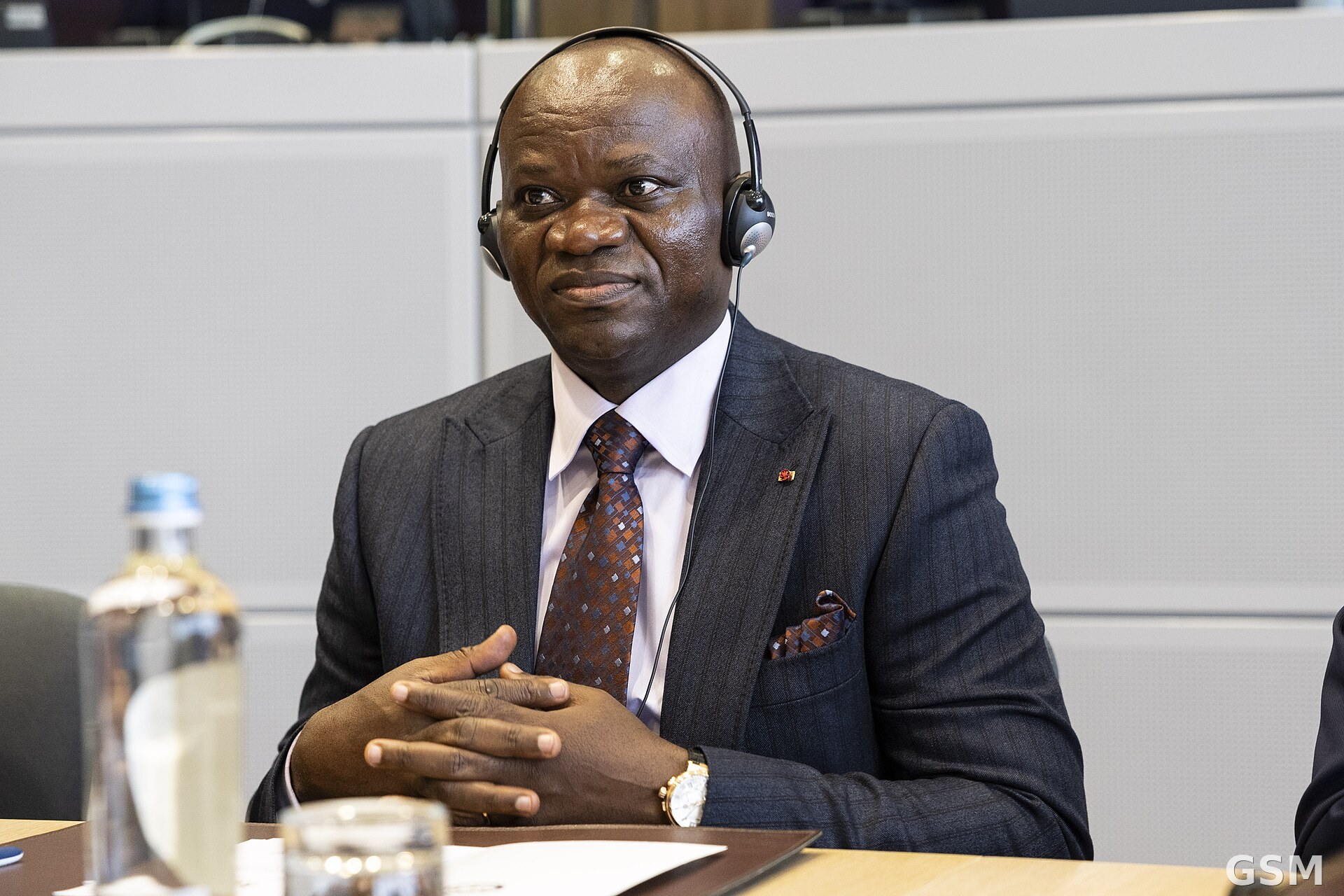
Photo: 图:南非人文科学研究委员会研究员本·罗伯茨博士11月6日在米德兰德全国计票中心发布2026年选举满意度调查结果。南非政府新闻署(SAnews)供图,该署明示媒体可免费使用其图片并注明出处。 / Photo: HSRC researcher Dr Ben Roberts briefs the media on the 2026 Election Satisfaction Survey at the National Results Operations Centre in Midrand on November 6. Photo by SAnews; SAnews states media may use its pictures at no cost with credit.
- 2026-11-01South Africa's IEC Declares Readiness for Local Elections: 2.65 Million Approved for Special Voting on November 2-3
- 2026-11-02South Africa: Special Voting Begins for Local Elections as 678,525 Home-Visit Voters Told to Stay Home for Officials
- 2026-11-02217 Voting Stations in South Africa's Western Cape Open Late on First Day of Special Voting After Ballot Delivery Delay
- 2026-11-02South African President Ramaphosa Urges Voters to Turn Out for November 4 Local Government Elections
- 2026-11-02South Africa special voting day one: nearly 99% of stations open on time, a presiding officer dies at her post
- 2026-11-05South Africa Election Security Tally: 57 Dockets From 85 Voting Day Incidents, Politically Motivated Murders Reach 21
- 2026-11-06South Africa Survey: 90% Saw Local Elections as Free, 91% as Fair, as Trust in the IEC Slips to 81%This story