FCC Proposes Modernized Rules for Ultra-Wideband Devices, Replacing 2002 Framework
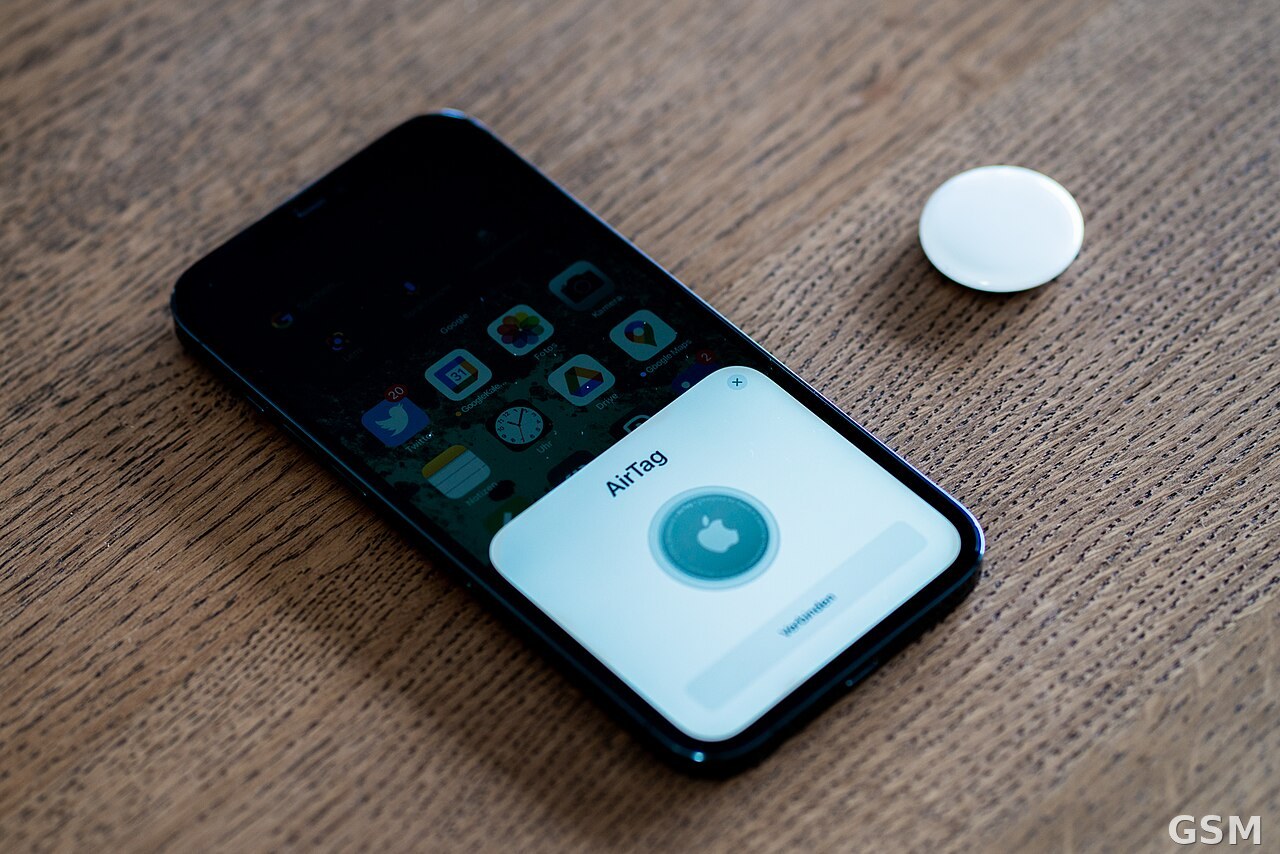
The technology behind car digital keys, phone-based item finding, and precise indoor positioning is the same: ultra-wideband, or UWB. The Federal Communications Commission (FCC) this week proposed a comprehensive modernization of the ultra-wideband rules it set in 2002, loosening restrictions on manufacturers and users while protecting incumbent spectrum users.
UWB transmits information in extremely short radio pulses and can locate objects to within centimeters, which is how a phone can point you to a tracker lost in the couch, or a car can sense the digital key in its owner's pocket approaching. The current framework dates to 2002, when the technology was in its infancy, and many of its definitions and limits no longer match today's products.
According to the FCC's proposal, the new rules would revise core provisions including how a UWB transmitter is defined, responding to two petitions for rulemaking: one filed by Robert Bosch LLC in 2019, and another filed in December 2025 by an industry alliance including the Alliance for Automotive Innovation, the Car Connectivity Consortium, and the FiRa Consortium. The proposal stresses that any loosening must not interfere with incumbent federal and nonfederal spectrum users.
Public comments on the proposal are due Dec. 2, with reply comments due Jan. 4, 2027, in ET Docket No. 26-245, through the FCC's Electronic Comment Filing System. The changes would take effect only if the Commission adopts a final rule. (Source: Federal Communications Commission)
Source: Federal Communications Commission
Published by GSM · USA (original Chinese edition)
Photo: 图:使用超宽带技术的物品追踪器(资料图)。CC BY-SA 4.0,经 Wikimedia Commons。 / Photo: An item tracker using ultra-wideband technology (file photo). CC BY-SA 4.0, via Wikimedia Commons.