Netherlands Moves to Close Posted-Worker Loophole: Non-EU Workers Must First Work Three Months in the Sending Country
The Dutch government published a proposal on November 7 to close a backdoor route used by employers to bring in low-wage workers from outside the European Union: third-country nationals obtain work and residence permits in another EU member state and are then immediately posted to the Netherlands, bypassing stricter Dutch permit requirements. Minister of Social Affairs and Employment Hans Vijlbrief has written to the House of Representatives, and the plan has entered online public consultation.
Under the proposed rules, a posting would count as lawful only if the worker has actually worked in the European country of entry for at least three months before being sent to the Netherlands, and if that country's work visa and residence permit remain valid for longer than the temporary work in the Netherlands, so the worker can return. The Netherlands Labour Authority would check compliance and could impose fines. The change is expected to take effect in July 2027 and is not yet final.
The government gave the example of Belarusian workers posted directly to the Netherlands through a Polish company. The number of third-country nationals posted to the Netherlands through this route rose from about 18,000 in 2021 to more than 29,000 in 2025, and research firm Panteia estimates about 38% of posted workers are not registered, putting the real figure higher.
Vijlbrief said the government intends to end employers gaming the system to bring in low-wage non-EU labor around Dutch rules, and to end a sham construction that has caused widespread abuses. The measure is part of a broader labor-migration package, with consultation running until December 4.
Source: Government of the Netherlands
Published by GSM · USA (original Chinese edition)
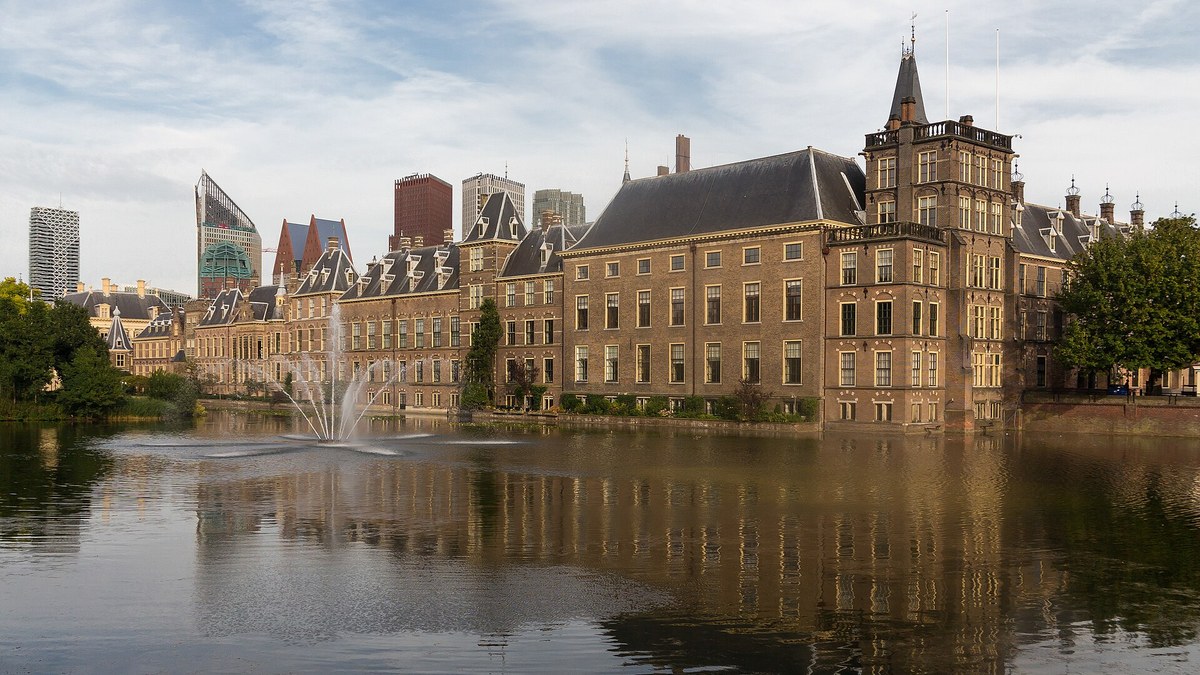
Photo: 图:荷兰海牙国会建筑群 Binnenhof 与 Hofvijver 池(资料图)。图:Michielverbeek,CC BY-SA 4.0,经维基共享资源 / The Binnenhof parliamentary complex in The Hague, Netherlands (file photo). Photo by Michielverbeek, CC BY-SA 4.0, via Wikimedia Commons