
Nature Communications Paper: A Single Dose of Propofol Suppresses Alcohol Drinking in Mice for About Six Days via Lateral Habenula Activation
A paper published in Nature Communications on November 7 by teams including the Jiangsu Province Key Laboratory of Anesthesiology at Xuzhou Medical University reports that a single dose of the intravenous anesthetic propofol rapidly and persistently reduces alcohol consumption in mice, with the effect lasting approximately six days. The study was conducted in mice; no human trial is reported.
The paper's first authors are Zheng Xu and Zhi-Jie Fan, with Hai-Lei Ding, Zhe Zhang, Song Zhang and Jun-Li Cao as corresponding authors. The authors write that the lateral habenula is a key brain region regulating alcohol consumption and that its neurons show high sensitivity and responsiveness to propofol, while whether and how propofol-activated habenular neurons regulate alcohol drinking was previously unknown. The results show the suppression of drinking is mediated by hyperactivity of lateral habenula neurons.
The paper was received on March 19, 2026, accepted on October 13, 2026 and published on November 7, 2026; the authors declare no competing interests. Funding came from the Sci-Tech Innovation 2030 Major Project and the National Natural Science Foundation of China, among other sources. The authors present the lateral habenula as a promising framework for reducing drinking; this report relays only the published abstract and author information and draws no human-level conclusion.
Source: Nature Communications
Published by GSM · USA (original Chinese edition)
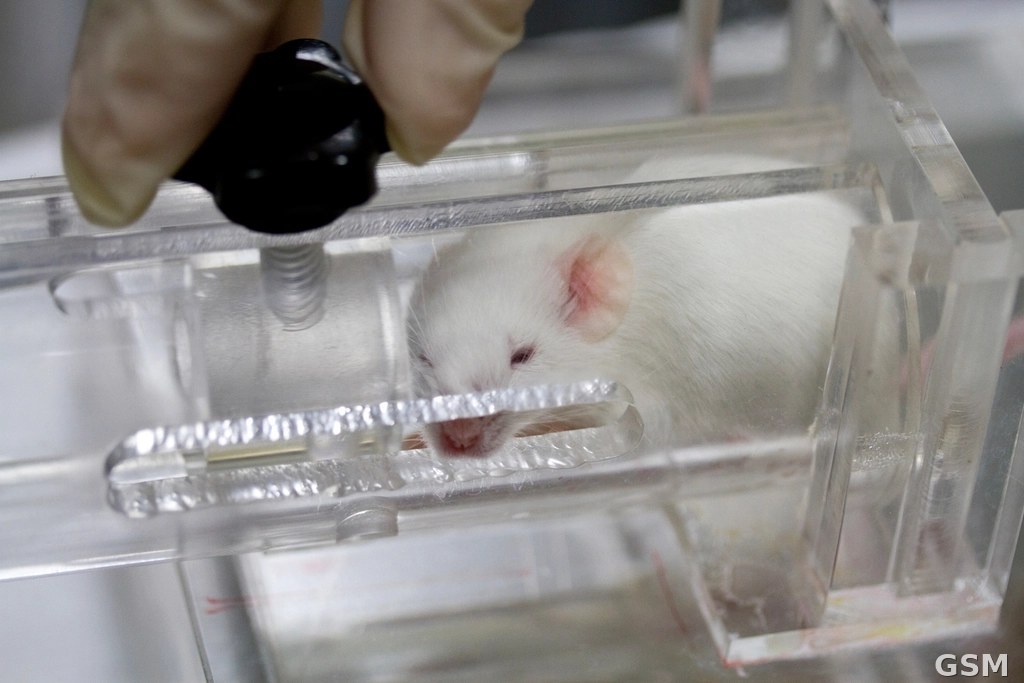
Photo: 图:实验室小鼠(资料图)。Openverse/Rawpixel,CC0。 / Photo: A laboratory mouse (file photo). Openverse / Rawpixel, CC0.
 Google Cloud Z4M Storage-Optimized Machines Reach General Availability: Up to 168,000 GiB of Local SSD, 400 Gbps Cloud RDMA and 15.6 Million Random-Read IOPS2026-11-08
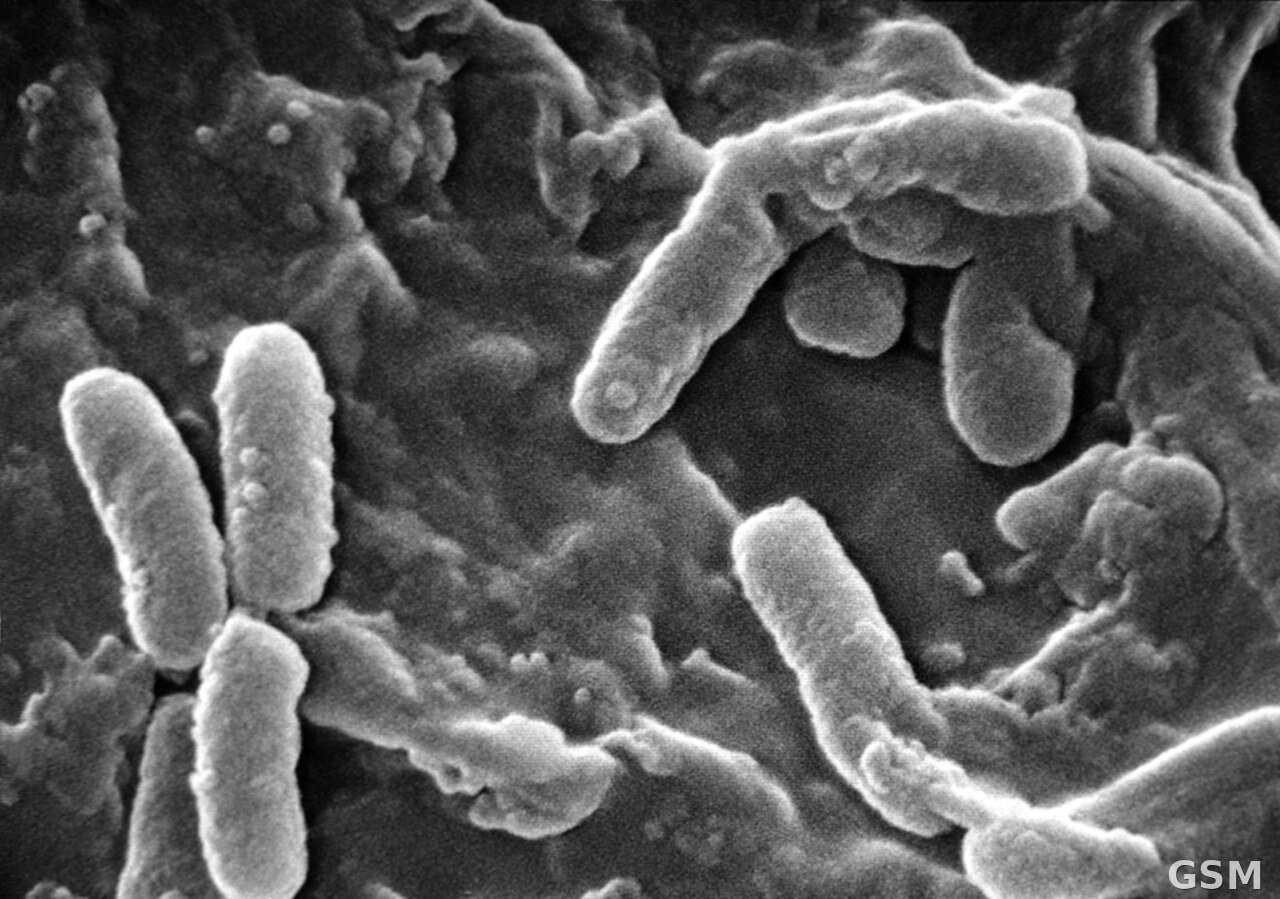 Nature Communications Paper: Antagonistic cAMP and c-di-GMP Signalling Coordinates Pseudomonas aeruginosa Surface Colonization, Splitting Cells Into Attached and Spreading Subpopulations2026-11-08