
Serve Robotics Launches Physical AI Services: The Connectivity, Data and Training-Data Technology Behind Its Own Robots Opens to Other Companies, With Bedrock Robotics a Launch Customer
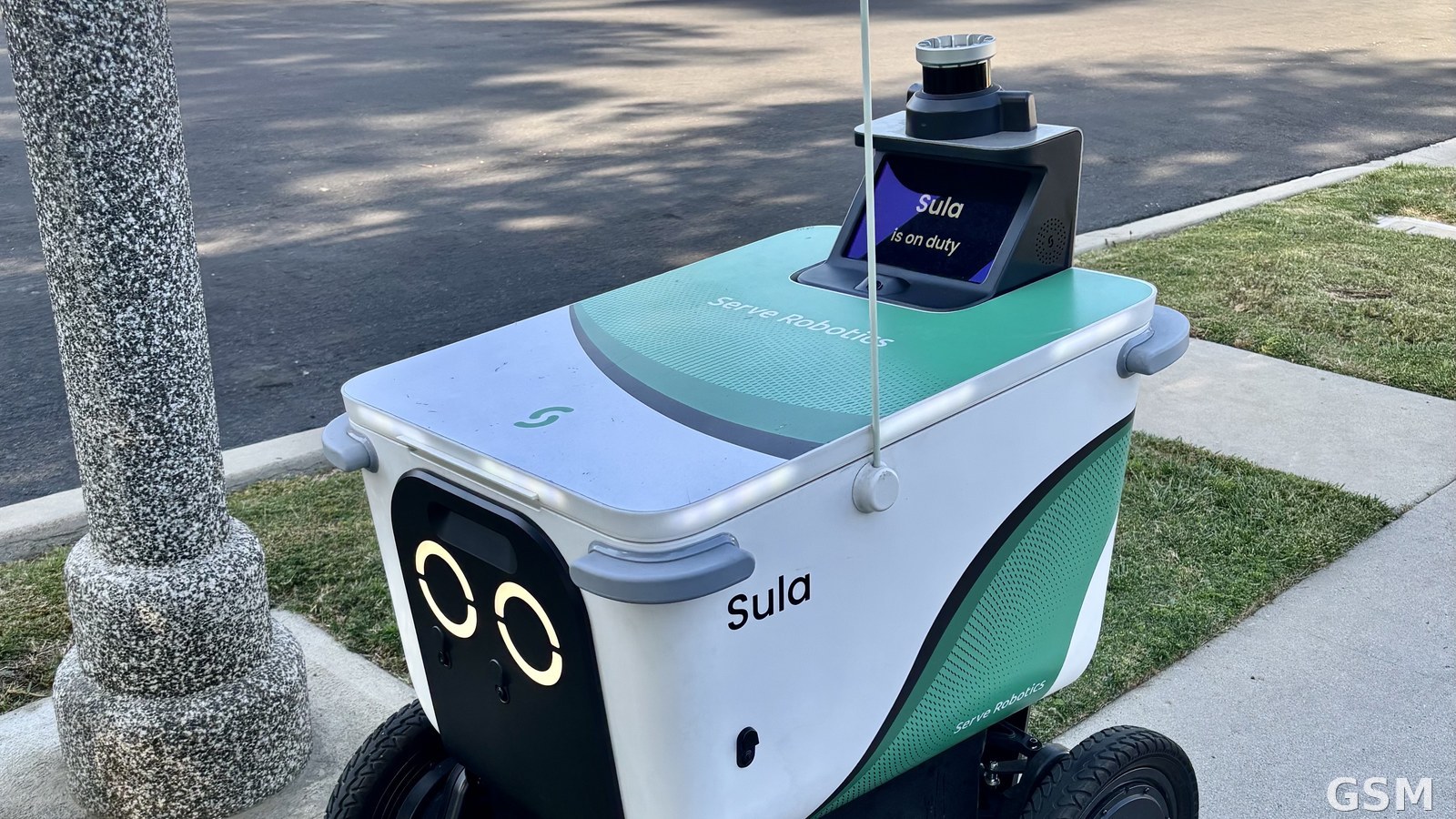
Serve Robotics Inc. (Nasdaq: SERV), based in San Francisco, California, on November 5 introduced Physical AI Services, opening the technology behind its own robots to other companies building physical super intelligence (SI). The company said the platform offers high-performance connectivity, data curation and real-world training data, and named Bedrock Robotics, which builds autonomous systems for heavy construction equipment, among its launch customers.
Serve launched three products the same day. Serve Link is described as the product that connects robots to intelligence as more computation moves to data centers; the other two are Serve Data Curator and a catalog of real-world training data for foundation models. The company said Physical AI Services already powers thousands of vehicles across a dozen industries, including construction, mining and autonomous trucking, as well as Serve's own sidewalk food delivery fleet. Serve said it has deployed over 2,000 robots in more than 40 cities and 27 hospitals.
Serve Robotics describes itself as designing and operating autonomous robots that navigate complex, human-centric environments; its original business is sidewalk delivery robots. Co-founder and chief executive Ali Kashani commented on the launch in the announcement. The release gave no pricing, contract values or per-product availability for Physical AI Services; the "thousands of vehicles across a dozen industries" figure is the company's own characterization in its release and has not been independently verified.
(Source: Serve Robotics)
Source: Serve Robotics
Published by GSM · USA (original Chinese edition)
Photo: 图:Serve Robotics 的人行道送餐机器人(资料图)。CC BY 4.0,经 Wikimedia Commons。 / Photo: A Serve Robotics sidewalk delivery robot (file photo). CC BY 4.0, via Wikimedia Commons.
 Hidden Baseline Heterogeneity Can Mask Treatment Effects in Randomized Xenograft Studies: A Scientific Reports Paper Shows Baseline-Aware Analysis Revealing a Responder Subpopulation Pooled Analysis Missed2026-11-08
 In a National Survey of 5,301 U.S. Women, Only 11% Had Ever Been Invited Into a Clinical Trial and 7% Had Enrolled, While 88% Backed Including Women and Sex-Specific Reporting2026-11-08