
Blood Amyloid-Beta 42 Rose About 35% After a Single Combined Session: A Nature Communications Paper Links Sublingual Nitroglycerin Plus Whole-Body Vibration to Brain Protein Efflux in 29 Healthy Adults
A paper published in Nature Communications on November 3 by Tuunanen and colleagues, titled "Vasomechanic treatment is associated with increased efflux of human brain proteins," reports a randomized crossover trial in healthy volunteers. Twenty-nine healthy adults (15 female; mean age 44 years, range 27-61) took part, undergoing mechanotransductive whole-body vibration targeting the Piezo1 channel (WBVp, n = 27) and the combined protocol of nitric-oxide-mediated vasodilation with WBVp (NO+WBVp, n = 26), with an additional exploratory NO-only session in a subset (n = 12). The team is led from the University of Oulu in Finland, and the trial registration is EudraCT 2021-000625-27.
After the combined intervention, low-molecular-weight (under 68 kDa) brain-derived proteins in blood rose significantly: serum amyloid-beta 40 from 38.2 pg/ml before treatment to a hemodilution-corrected 50.5 pg/ml after, amyloid-beta 42 from 2.6 to 3.5 pg/ml (a rise of about 35%), and glial fibrillary acidic protein (GFAP) from a median of 65.2 to 85.1 pg/ml. The larger neurofilament-light and phosphorylated tau-181 proteins were unaltered, which the authors say suggests molecular weight could be a factor in CNS-to-blood protein movement. Systolic and diastolic blood pressure fell during the intervention by means of 14.9% and 14.8% respectively, and the extent of blood-pressure reduction correlated with the increases in all three proteins. On MRI, whole-brain T2 dark-fluid signal intensity decreased by a mean of 4.6% after the combined treatment, and segmented extracerebral free CSF volume increased by a mean of 6.5 ml.
The paper's title and conclusions use the language of association: the study measured changes in blood biomarkers and imaging signals, and did not measure brain amyloid burden or cognition; complementary intrathecal tracer studies in mice provided biological support. The article is a formally published, peer-reviewed paper; the figures are single-session trial measurements and amount to no treatment recommendation.
(Source: Nature Communications)
Source: Nature Communications
Published by GSM · USA (original Chinese edition)
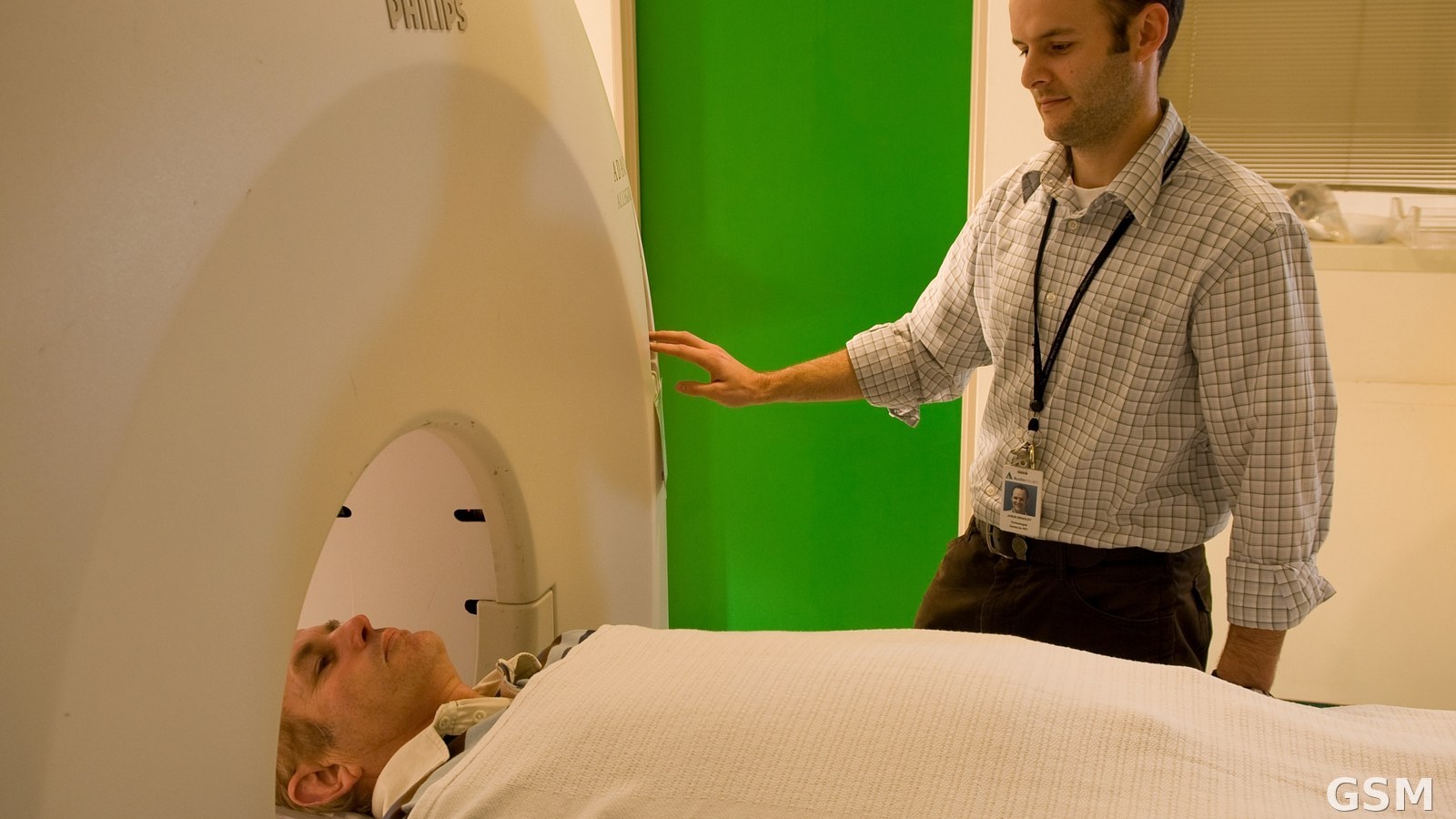
Photo: 图:志愿者接受 PiB PET 扫描以检测脑内淀粉样蛋白(资料图)。CSIRO 摄,CC BY 3.0,经 Wikimedia Commons。 / Photo: A volunteer receiving a PiB PET scan to detect brain amyloid (file photo). Photo by CSIRO, CC BY 3.0, via Wikimedia Commons.
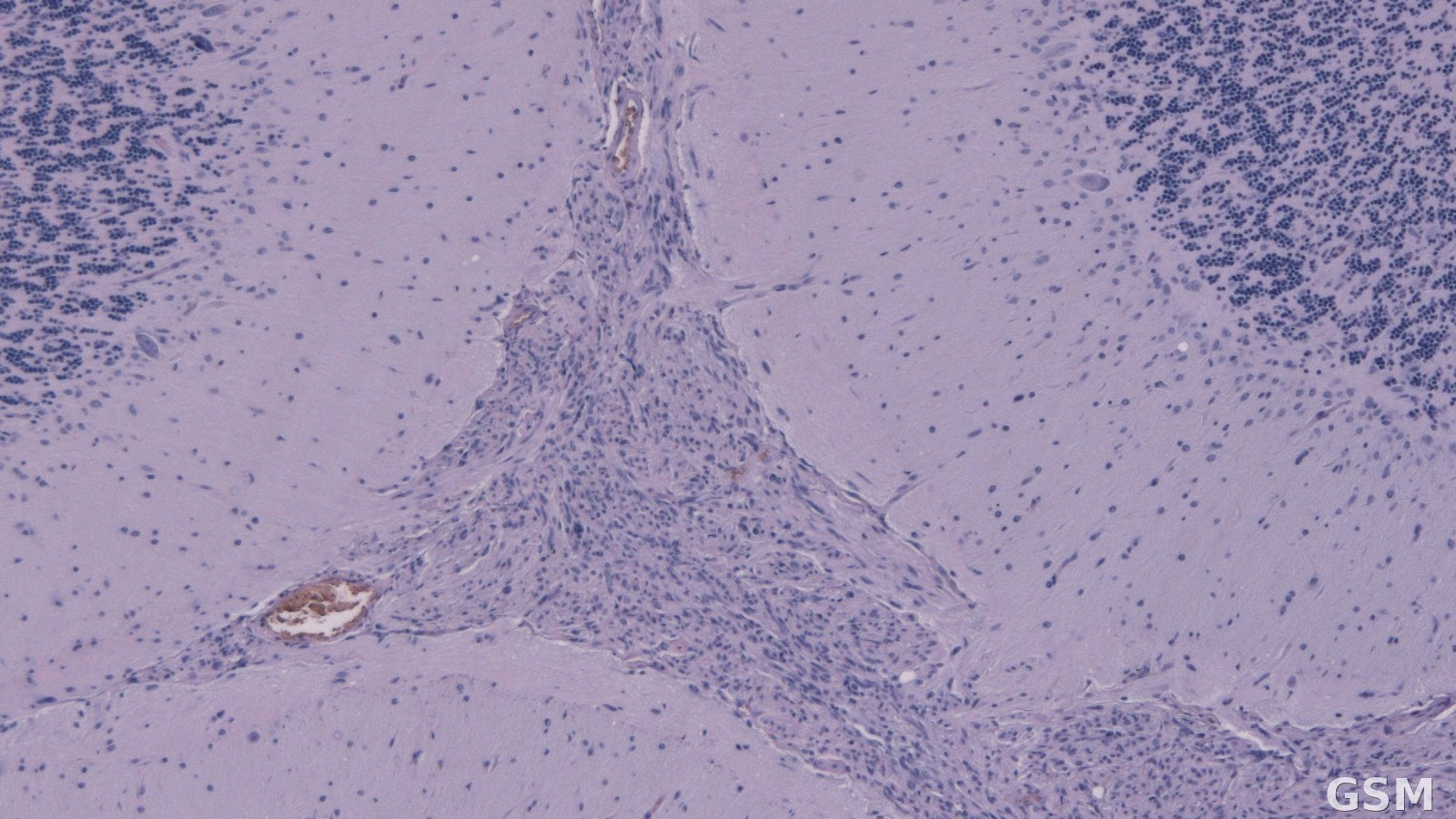 Hidden Baseline Heterogeneity Can Mask Treatment Effects in Randomized Xenograft Studies: A Scientific Reports Paper Shows Baseline-Aware Analysis Revealing a Responder Subpopulation Pooled Analysis Missed2026-11-08
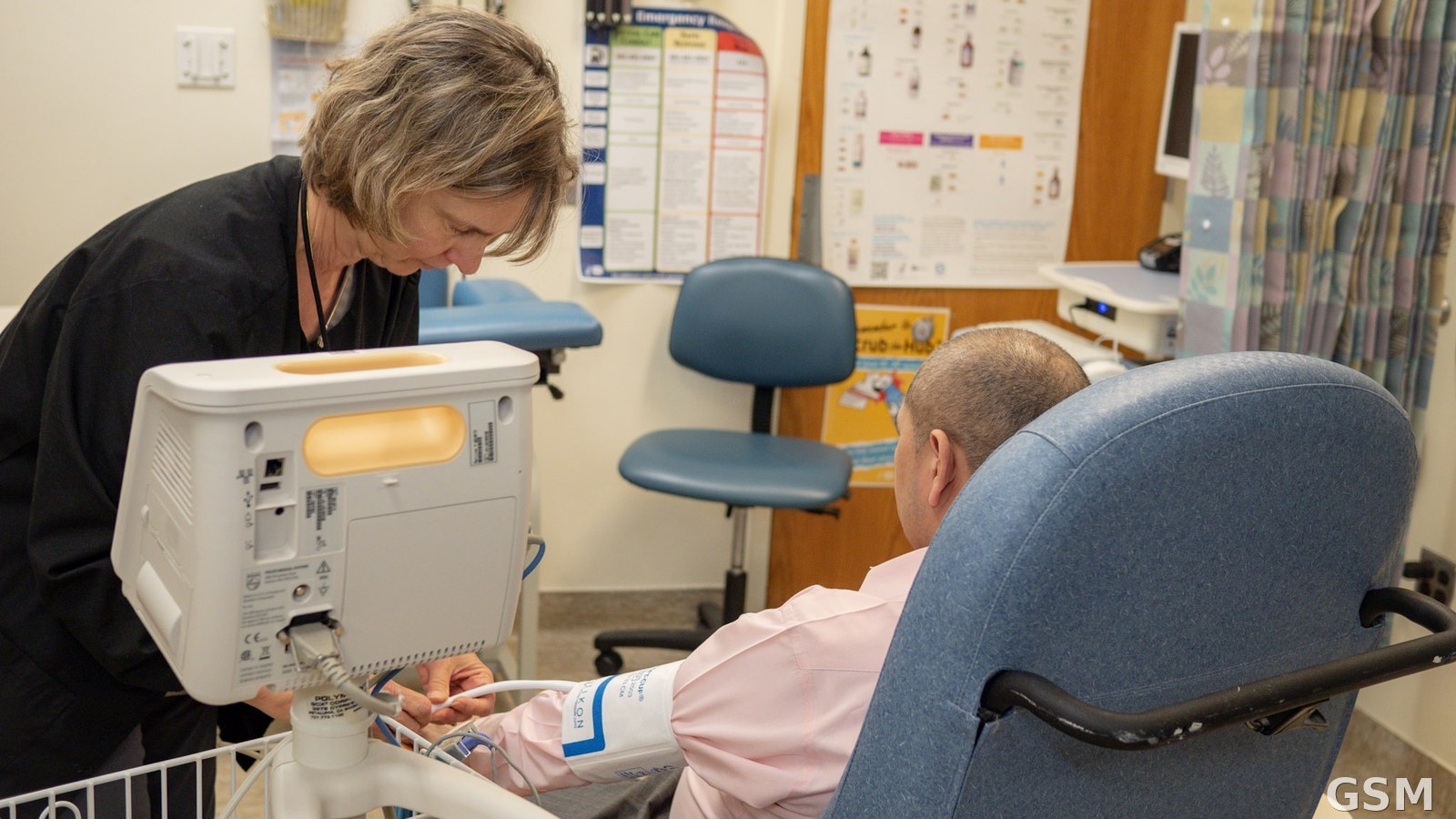 In a National Survey of 5,301 U.S. Women, Only 11% Had Ever Been Invited Into a Clinical Trial and 7% Had Enrolled, While 88% Backed Including Women and Sex-Specific Reporting2026-11-08