
NASA's First ESCAPADE Spacecraft Makes Powered Flyby of Earth on Way to Mars: Second to Follow November 9

NASA's first ESCAPADE spacecraft began its engine burn at about 4:51 a.m. EST on November 7, completing a powered flyby of Earth and using our planet's gravity to slingshot itself toward Mars. The second spacecraft is scheduled to perform the same flyby on November 9, with its burn beginning at about 5:51 a.m. EST.
ESCAPADE, short for Escape and Plasma Acceleration and Dynamics Explorers, consists of two spacecraft. According to NASA, each spacecraft will execute a "powered" flyby of Earth, combining Earth's gravity with an engine burn to slingshot itself toward Mars. As each spacecraft flies close to Earth, it performs a "trans-Mars injection burn," firing its engine for about 9 minutes to give itself an extra boost toward the Red Planet. The burn increases each spacecraft's speed by more than 1,000 miles per hour (about 1,600 kilometers per hour), from about 6.3 miles per second to about 6.7 miles per second (about 10.14 kilometers per second to about 10.78 kilometers per second). NASA said this is the first powered Earth flyby ever executed by a Mars-bound spacecraft, also known as an Oberth maneuver. Previous missions to Mars launched directly when Earth and Mars were aligned, an alignment that occurs only about every 26 months.
The two spacecraft launched on November 13, 2025, when Earth and Mars were on opposite sides of the Sun and a direct flight to Mars was not possible. Instead of heading straight to Mars, they looped around the Earth-Sun Lagrange point 2 for about a year, waiting for the planets to return to alignment before flying back to Earth for a gravity assist. NASA said the new route also allowed the spacecraft to collect bonus science as they flew through a distant region of Earth's magnetotail, a part of Earth's magnetic environment that no spacecraft had directly explored before.
After completing their powered flybys, the two spacecraft will cruise for about 10 months and are expected to arrive at Mars on September 7 and September 9, 2027, respectively. Once at Mars, ESCAPADE will become the first multi-spacecraft mission to fly in formation around the planet. Its primary mission in Mars orbit will last 11 months, with science observations expected to begin by mid-2028. The mission aims to study how the solar wind interacts with the Martian environment and drives atmospheric loss at Mars, revealing how Mars lost its atmosphere.
NASA said the spacecraft could be spotted in the skies over the western United States before their flybys, with the first likely brightest between midnight and 1 a.m. PST on November 7 and the second between 1 and 2 a.m. PST on November 9, most likely requiring a telescope. The mission team will know how well the spacecraft are aimed for Mars several days after the burns and will adjust their paths with multiple trajectory correction maneuvers during the journey. (Source: NASA)
Source: NASA
Published by GSM · USA (original Chinese edition)
Photo: 图:美国国家航空航天局总部资料图。NASA图片。 / Photo: NASA headquarters. Image from NASA.
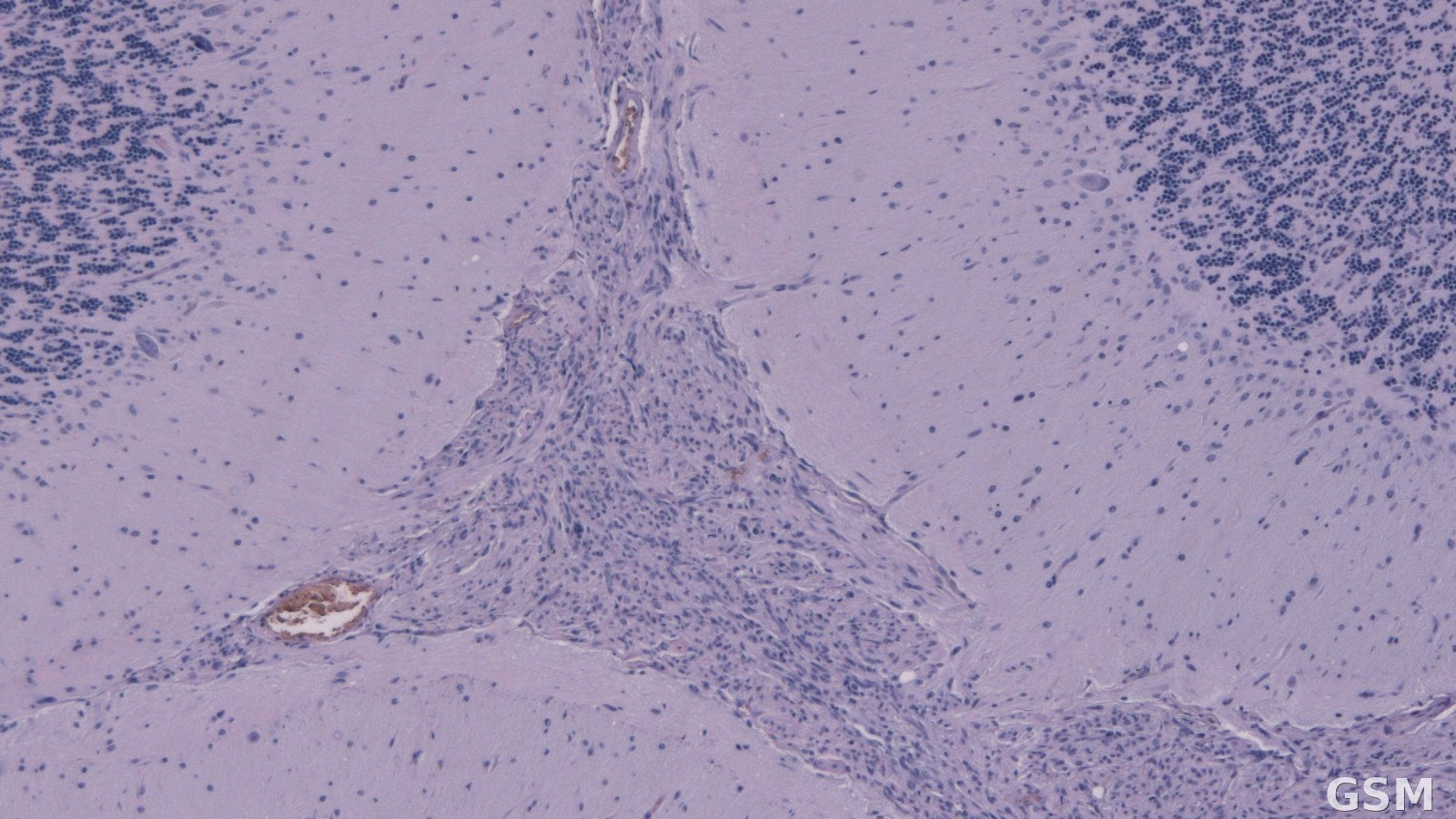 Hidden Baseline Heterogeneity Can Mask Treatment Effects in Randomized Xenograft Studies: A Scientific Reports Paper Shows Baseline-Aware Analysis Revealing a Responder Subpopulation Pooled Analysis Missed2026-11-08
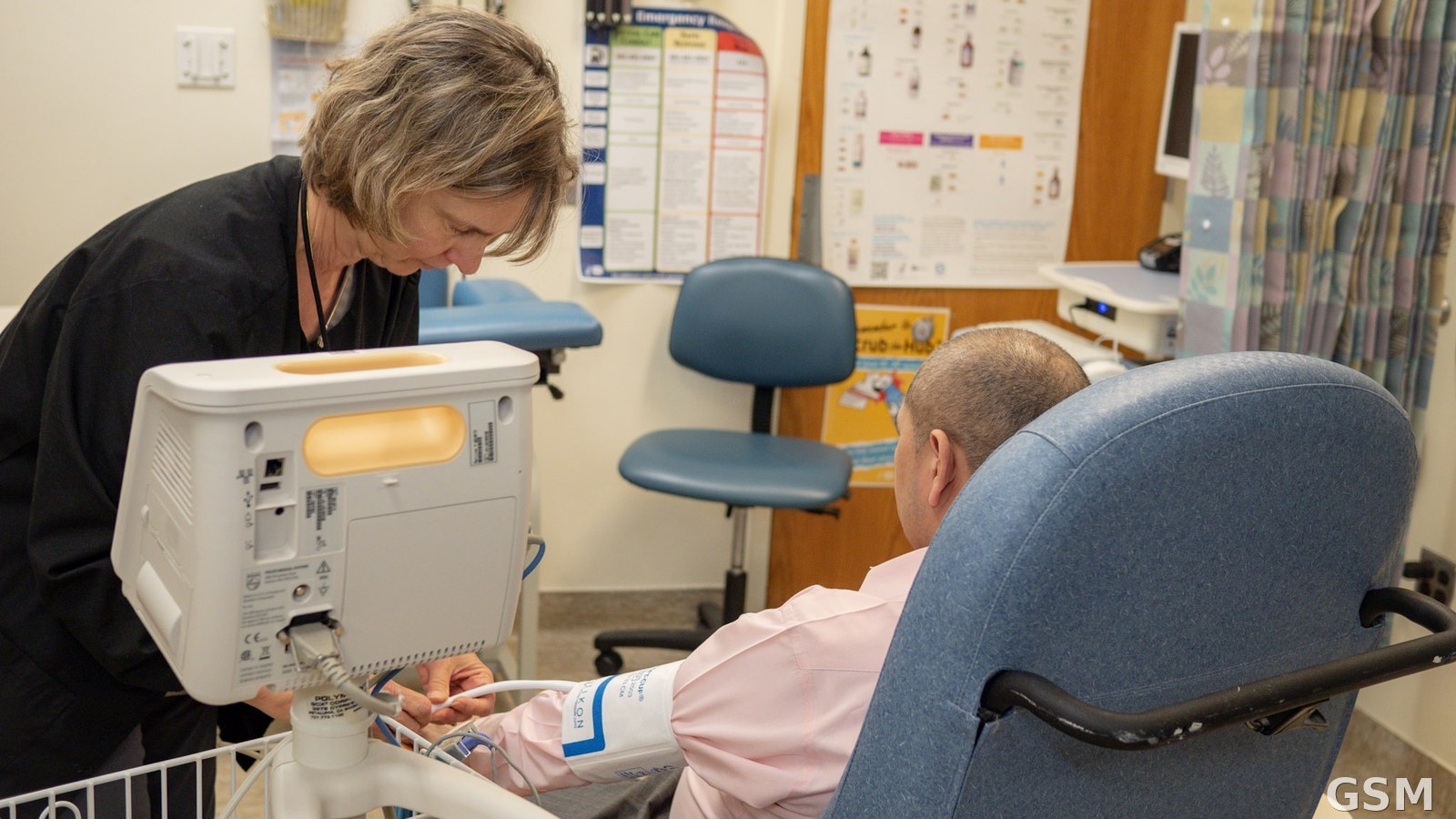 In a National Survey of 5,301 U.S. Women, Only 11% Had Ever Been Invited Into a Clinical Trial and 7% Had Enrolled, While 88% Backed Including Women and Sex-Specific Reporting2026-11-08