FDA Requires Labeling Changes for All GLP-1 Drugs Over Risk of Rare, Serious Eye Condition

WASHINGTON — The U.S. Food and Drug Administration (FDA) issued a drug safety communication in Washington on November 9 requiring the application holders of all glucagon-like peptide-1 receptor agonist (GLP-1 RA) medicines to change their labeling, adding information about the risk of non-arteritic anterior ischemic optic neuropathy (NAION) to the Warnings and Precautions section. The drugs are widely used in the United States to treat diabetes and for weight loss.
The FDA said NAION cases have been reported for all currently marketed GLP-1 RA products. After a comprehensive evaluation of clinical trial data, animal data and postmarketing data, including observational studies and case reports, the agency concluded that there is a potential increased risk of rare NAION events in patients taking GLP-1 RAs, and is requiring the labeling change for all of them.
In its meta-analysis of clinical trials, the FDA pooled 126 trials across GLP-1 RA development programs covering 134,253 patients, of whom 78,217 used a GLP-1 RA and 56,036 received a comparator. It identified 15 probable NAION events: 10 in patients treated with GLP-1 RAs and 5 in patients receiving placebo. The NAION incidence rate was 6.4 events per 100,000 person-years in patients treated with GLP-1 RAs, compared with 3.8 per 100,000 person-years in comparator-treated patients.
In a retrospective cohort study in the FDA's Sentinel Real-World Evidence Data Enterprise Commercial Network, covering adults with type 2 diabetes who started a GLP-1 RA or another common diabetes medication between 2019 and 2024, NAION incidence rates ranged from 26 to 32 events per 100,000 person-years, with GLP-1 RAs at 30 to 32. Compared with SGLT-2 inhibitors, the hazard ratio was 1.19, which was not statistically significant; compared with DPP-4 inhibitors, the hazard ratio was 1.43, an increased risk. The FDA said methodologically rigorous published observational studies were generally consistent with these findings.
The review followed a study published in July 2024 that raised the possibility of an increased NAION risk in patients prescribed semaglutide. The FDA said it identified several limitations in that study but determined further assessment was warranted, and that its review of animal data did not identify a mechanism for how GLP-1 RA use could increase the potential risk.
Related: Study Links GLP-1 Weight-Loss and Diabetes Drugs to Slightly Higher Risk of Rare Vision Loss
(Source: U.S. Food and Drug Administration)
Source: U.S. Food and Drug Administration
Published by GSM · USA (original Chinese edition)
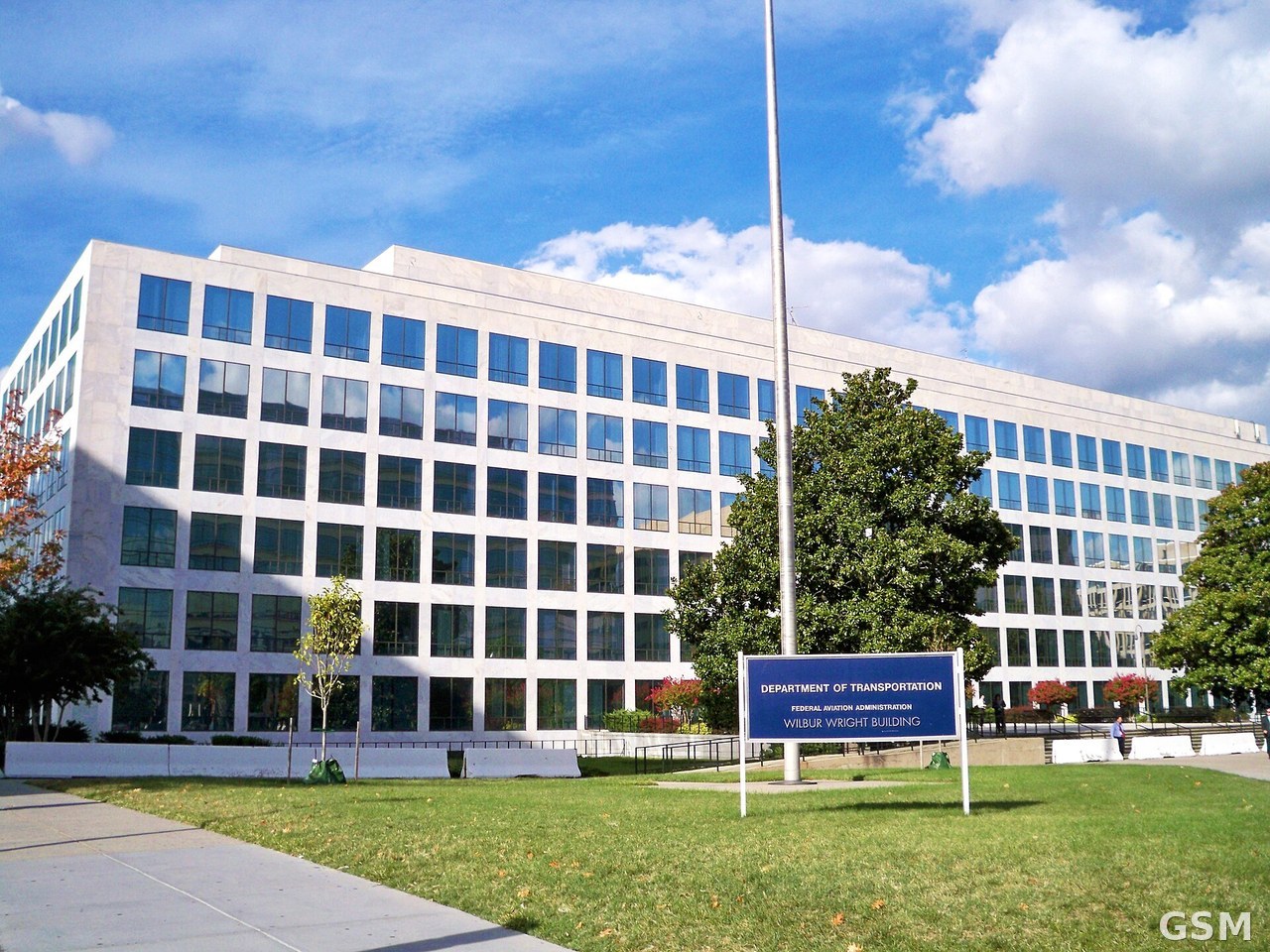
Photo: 图:美国食品药品管理局总部大楼(GSM 固定图库)。 / Photo: U.S. Food and Drug Administration headquarters (GSM asset library).