SEC Holds Roundtable on Machine-Understandable Data: Use of Free Financial Statement Data Set Up More Than Fivefold in Two Years
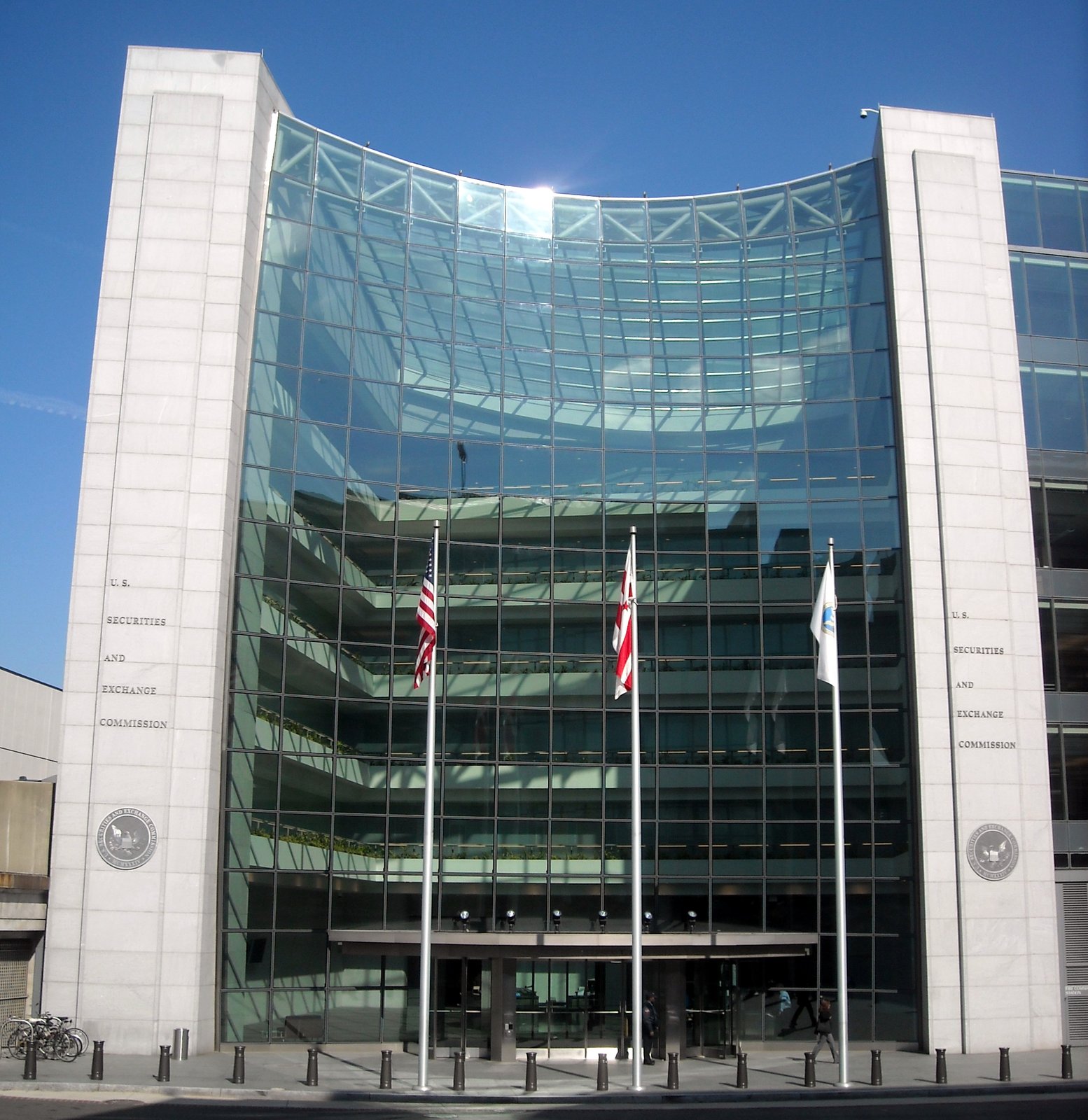
On November 9, 2026, the U.S. Securities and Exchange Commission (SEC) held a roundtable in Washington titled "Machine-Understandable Data in the Age of Super Intelligence," examining how corporate disclosures can be organized in structured formats that machines can read and understand. The event was organized by the Office of Data Standards and Innovation within the SEC's Division of Economic and Risk Analysis (DERA), with panelists drawn from technology and data providers, investors, operating companies, practitioners and academics.
In his closing remarks, Chairman Paul Atkins said the Commission makes 15 data sets available to the public free of cost and that demand has grown significantly in recent years, with use of the Financial Statement Data Set alone multiplying more than fivefold over the past two years. Making information that companies already disclose more accessible and useful, he said, can lower the cost of obtaining and analyzing financial information without imposing unnecessary burdens on issuers, while accuracy, comparability, cybersecurity and appropriate oversight remain essential.
In his opening remarks, Commissioner Mark Uyeda said the first reader of a filing is increasingly a machine, as quantitative models, large language models and other super-intelligence tools extract and interpret disclosures at a speed and scale humans cannot match. The Commission mandated XBRL starting in 2009, he noted, and has since required Inline XBRL and expanded structured data requirements to additional filings. Structured data helps smaller companies attract research analyst coverage and lowers their cost of capital, he said, and the roundtable would also consider whether new methods superior to XBRL exist.
Josh White, Director of the Division of Economic and Risk Analysis, framed the discussion around three questions: what benefits structured data bring to investors and regulators, where the costs and risks of producing, validating and using reliable data are greatest, and what is working in practice and what is not. Making information machine-readable, he said, is not the same as making it machine-understandable: a system must be able to identify what a number represents, interpret it in context and compare it appropriately.
Atkins closed by saying that even the most sophisticated technology depends on the quality of the information it uses, and encouraged market participants to keep engaging with the Commission on data and super intelligence. (Source: U.S. Securities and Exchange Commission)
Source: U.S. Securities and Exchange Commission
Published by GSM · USA (original Chinese edition)
Photo: 图:美国证券交易委员会总部大楼正门。Wikimedia Commons 图片,CC BY-SA 3.0。 / Photo: Entrance of the U.S. Securities and Exchange Commission headquarters. Photo via Wikimedia Commons, CC BY-SA 3.0.