Everglades Reservoir Foundation and Cutoff Wall Reach Halfway Point, With Completion Due in 2029, Five Years Early
The U.S. Army Corps of Engineers' Jacksonville District announced that construction of the foundation and cutoff wall for the Everglades Agricultural Area (EAA) Reservoir, south of Lake Okeechobee in Florida, is 50 percent complete, keeping the Everglades restoration project on track for completion in 2029, five years ahead of the original schedule.
Lee Forsgren, Senior Official Performing the Duties of the Assistant Secretary of the Army for Civil Works, announced the milestone. Under Contract 11A, about eight miles of the reservoir's 15.84-mile foundation and cutoff wall alignment are complete, construction is 34 days ahead of schedule, and the contract timeline has been accelerated by 15 months, with completion set for March 2028.
The reservoir covers 17,000 acres, about 26.5 square miles, larger than Manhattan by land mass, and is designed to store more than 78 billion gallons of water. Together with associated treatment infrastructure, it is expected to deliver up to 470 billion gallons of clean water annually to the Everglades and Florida Bay, moving water from Lake Okeechobee south and reducing harmful discharges to South Florida's estuaries.
The reservoir is being built under three Corps contracts: Contract 10A, covering inflow, outflow and seepage canals, is complete; Contract 11A covers the foundation and cutoff wall; and Contract 11B, covering the embankment and water control structures, has a required completion date of December 2029. Excavation totals 33.2 million cubic yards, about 725,000 dump truck loads, and the structure stands nearly seven stories tall.
The acceleration follows a 2025 agreement between the U.S. Army and Florida under which the Corps focuses on the foundation, embankments, perimeter canals and structures while the South Florida Water Management District builds seepage and inflow pump stations and takes responsibility for the Blue Shanty Flow Way. "This reservoir will allow us to send clean water south when and where it's needed, protect South Florida's drinking water, and support its economy," Forsgren said. (Source: U.S. Army Corps of Engineers)
Source: U.S. Army Corps of Engineers
Published by GSM · USA (original Chinese edition)
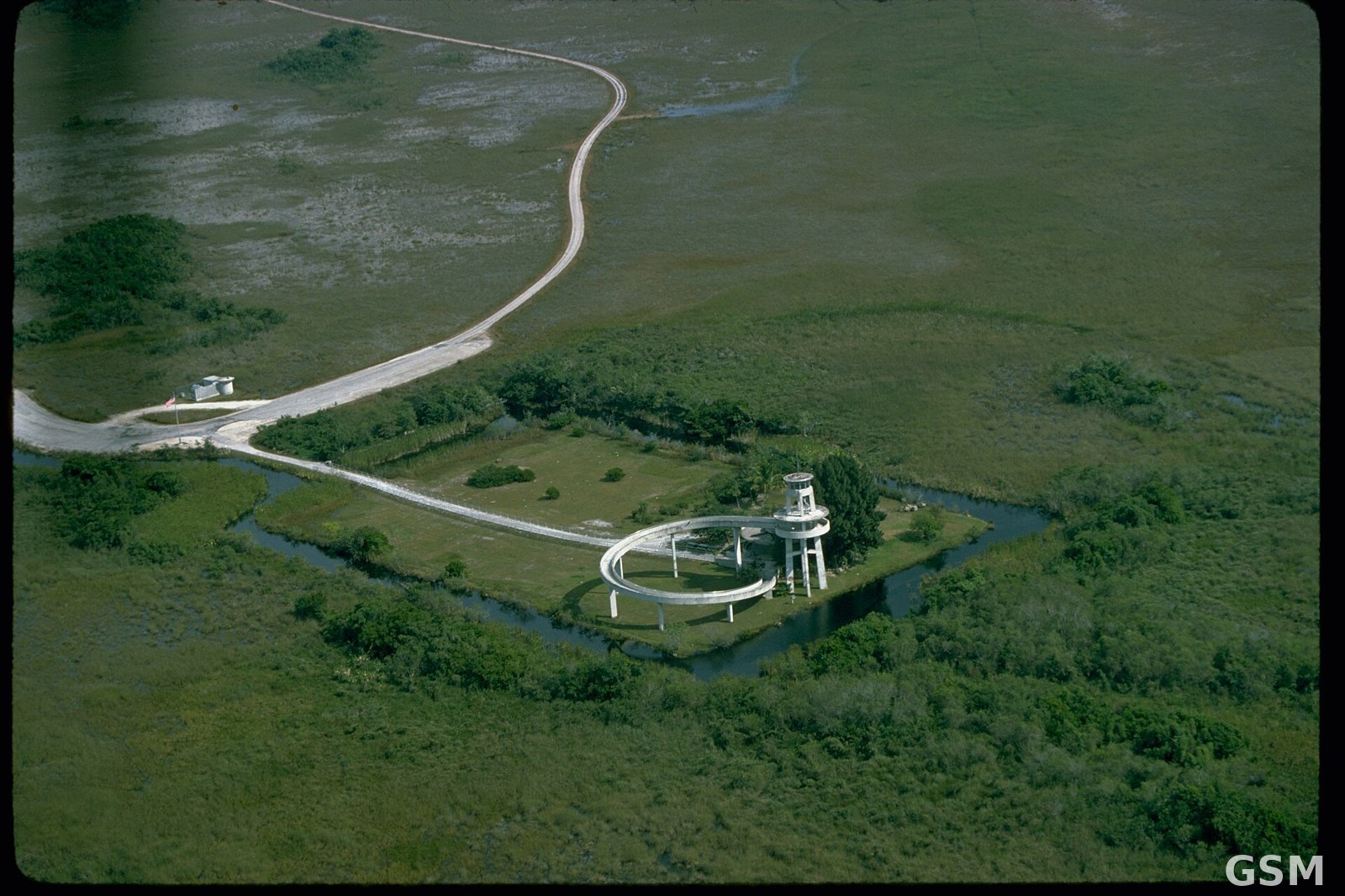
Photo: 图:佛罗里达州大沼泽湿地航拍。Wikimedia Commons 图片(公共领域,国家公园管理局)。 / Photo: An aerial view of wetlands in Florida's Everglades. Image via Wikimedia Commons (public domain, National Park Service).