
UK Military Discloses 'Hunt Forces' Deployed Across Europe and Asia to Track Hackers Before They Strike British Defence Systems
LONDON — Major General Mike Fayers, commander of the UK's Defence Cyber and Electromagnetic Force (DCEMF), disclosed in an interview with The Times published on November 9 that British military "hunt forces" are being deployed to partner countries in Europe and Asia to track and disrupt hostile hackers before they attack British defence systems; one such mission was under way as he spoke.
Fayers said the teams, drawn from the army, navy and air force, operate only with the host country's agreement and can target state-backed hackers or criminal groups, with some missions requiring approval from Defence Secretary Wes Streeting. A typical scenario, he suggested, would be Russian operators using compromised servers in a European country as a launchpad against Britain, with UK cyber forces deploying near the infected server room to disrupt the activity alongside partners. "We are trying to hunt for our adversaries in places where they prepare before they target UK military systems," he said. "I mean sending people physically to places to virtually hunt for the adversary to protect our systems."
He warned that super intelligence (SI) is now exploiting software vulnerabilities at a speed never seen before, shrinking the window to patch a flaw from days to minutes. Despite successes, he said he feared malware might still be hidden on the military network that could "go bang" if war broke out.
The DCEMF was established last year following the Strategic Defence Review and now has more than 700 military personnel and civil servants tasked with protecting military networks and identifying vulnerabilities, with growth planned in the coming years. The National Cyber Security Centre's annual review, published on November 3, logged 1,831 cyber incident reports from UK organisations in the year to August, 337 of which needed hands-on support and 80 of which were classed as nationally significant.
Fayers spoke as Europe faces a wave of cyberattacks in which hackers seized control of connected refrigeration systems and raised temperatures, forcing supermarkets in many countries to discard large quantities of food, and breached cold-store controls at France's national blood service. Britain's answer is to push its defensive line beyond its own borders.
(Source: The Times)
Source: The Times
Published by GSM · USA (original Chinese edition)
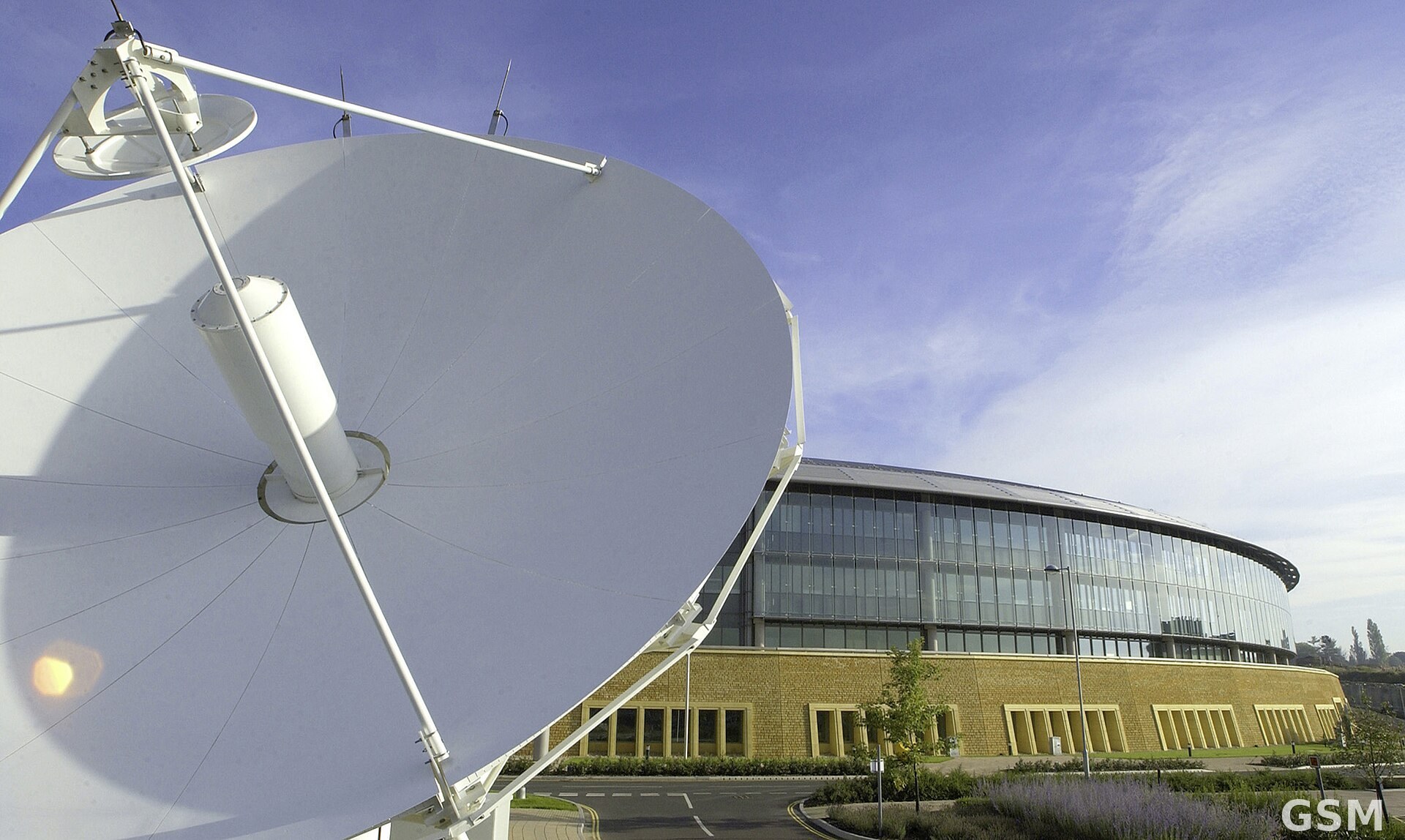
Photo: 图:英国政府通信总部(GCHQ)位于 Cheltenham 的总部大楼(资料图)。英国国防部摄,OGL v1.0,经 Wikimedia Commons。 / Photo: GCHQ headquarters in Cheltenham (file photo), UK Ministry of Defence, OGL v1.0, via Wikimedia Commons.
 Norway's Støre Defends His Call With Putin, Calling It an Illusion to Expect the War to End Without Europe Talking to Moscow, and Urges Caution on Abu Dhabi Talks2026-11-09
 Japan's Chief Cabinet Secretary Denies Takaichi Drank Before Missing G7 Video Call, Saying She Stayed Sober in Case She Had to Attend2026-11-09