Follow-Up: NASA Invites Public to Join Voyager 1 One-Light-Day Activities, With JPL Discussion Set for November 19
NASA invited the media and the public worldwide to join activities marking Voyager 1's arrival at one light-day from Earth, the agency announced on November 10. On Wednesday, November 18, Voyager 1 will have traveled one light-day from Earth, more than 16 billion miles (25.9 billion kilometers). It is the most distant human-made object, and light from Earth takes 24 hours to reach the spacecraft.
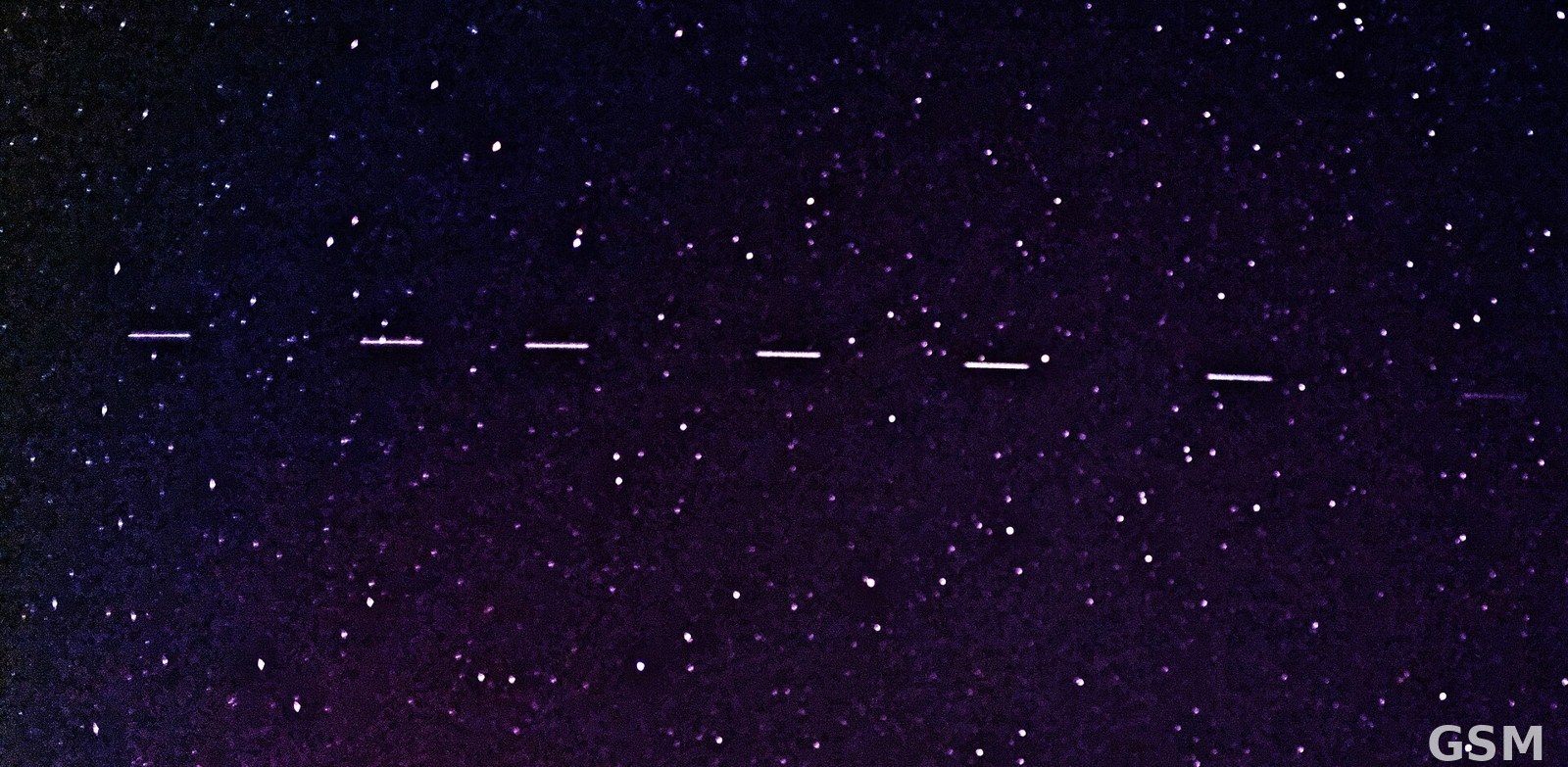
The first event takes place after sunset on Tuesday, November 17. NASA invites the world to participate in Shine Bright for Voyager's Light-Day by creating a symbolic wave of golden light encircling the planet after sunset. NASA has created a website that enables smartphones and tablets to flash VGR, Voyager's call sign, in Morse code. Everyone is encouraged to capture photos or videos of their light-day signal and share them on social platforms, tagging NASA.
The second event is on Thursday, November 19 at 12 p.m. EST (9 a.m. PST), at the von Kármán Auditorium of NASA's Jet Propulsion Laboratory (JPL) in Pasadena, Southern California. Mission members and NASA leadership will join a moderated discussion about the status of Voyager 1 and 2, the unique science the twin probes continue to gather in interstellar space, and the challenges of keeping the spacecraft operating over such vast distances. A question-and-answer session with media and other audience members will follow, along with a preview of an upcoming NASA+ Voyager documentary planned for release in 2027 for the mission's 50th anniversary.
Participants will include Nicky Fox, associate administrator of the Science Mission Directorate; Jonathan Lunine, chief scientist at JPL and professor of planetary science at Caltech; Suzanne Dodd, Voyager project manager; Kareem Badaruddin, Voyager mission manager; and Jamie Rankin, Voyager deputy project scientist. U.S. media interested in attending in person must RSVP by Monday, November 16, and media interested in participating virtually must RSVP no later than two hours before the event.
Voyager 1 and Voyager 2 were launched in 1977. Voyager 1 entered interstellar space in 2012, and Voyager 2 followed a different trajectory into interstellar space in 2018. Both spacecraft continue to provide observations of the environment beyond the heliosphere. JPL, which is managed by Caltech in Pasadena, built and operates the Voyager spacecraft, and NASA's Deep Space Network enables communication with the distant probes.
Related: Voyager 1 Completes Power-Saving Swap and Recovers From Brief Signal Loss: One Light-Day From Earth on November 18 (Source: NASA)
Source: NASA
Published by GSM · USA (original Chinese edition)
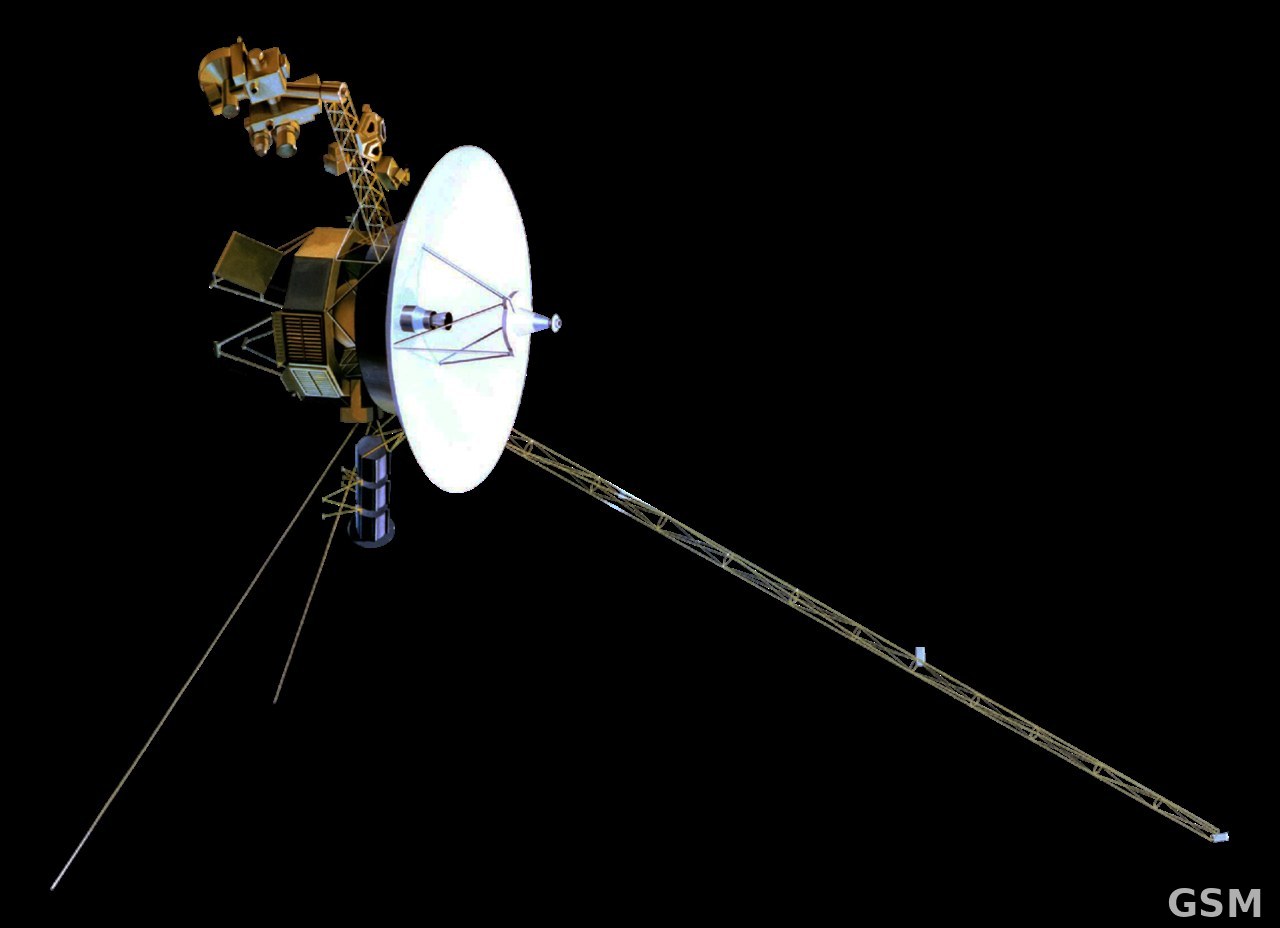
Photo: 图:旅行者探测器艺术渲染图(美国国家航空航天局 NASA 作图,公共领域,经 Wikimedia Commons 取得)。 / Image: Artist's rendering of the Voyager spacecraft (NASA, public domain, via Wikimedia Commons).
- 2026-10-30Voyager 1 Completes Power-Saving Swap and Recovers From Brief Signal Loss: One Light-Day From Earth on November 18
- 2026-11-10Follow-Up: NASA Invites Public to Join Voyager 1 One-Light-Day Activities, With JPL Discussion Set for November 19This story