
USDA Confirms Highly Pathogenic Avian Influenza in an Oregon Dairy Herd, the First Case in Cattle in the State
The U.S. Department of Agriculture announced on November 10 that the National Veterinary Services Laboratories of its Animal and Plant Health Inspection Service (APHIS) had confirmed, by PCR testing, highly pathogenic avian influenza (HPAI) H5 clade 2.3.4.4b in a dairy cattle herd in Oregon, the first reported case of HPAI in cattle in the state.
The herd was tested as part of Oregon's ongoing surveillance for HPAI in dairy cattle and had consistently tested negative through routine surveillance under the National Milk Testing Strategy program. APHIS said genetic sequencing will be completed and final results announced as soon as they are available. Dairy cattle in a total of 22 states have been infected since the outbreak began in March 2024, and APHIS has seen cases in previously unaffected states this year.
APHIS is working closely with the Oregon Department of Agriculture to conduct additional on-farm investigations, diagnostic testing and epidemiological data collection to better understand the detection and prevent further spread. The detection does not change USDA's HPAI eradication strategy, and biosecurity remains key to mitigating the risk of disease introduction or spread between premises. Producers should immediately report livestock with clinical signs, or any unusual sick or dead wildlife, to their state veterinarian.
USDA said the detection does not pose a risk to consumer health or affect the safety of the commercial milk supply. The Food and Drug Administration is confident that pasteurization is effective at inactivating the HPAI virus and that the commercial, pasteurized milk supply is safe. Dairies may send only milk from healthy animals into processing for human consumption, and milk from impacted animals is diverted from the commercial milk tank or destroyed. According to the Centers for Disease Control and Prevention, HPAI viruses circulating in birds and U.S. dairy cattle pose a low risk to the general public, though people with job-related or recreational exposure to infected birds or mammals are at higher risk and should take the precautions outlined in CDC guidance.
(Source: U.S. Department of Agriculture)
Source: U.S. Department of Agriculture
Published by GSM · USA (original Chinese edition)
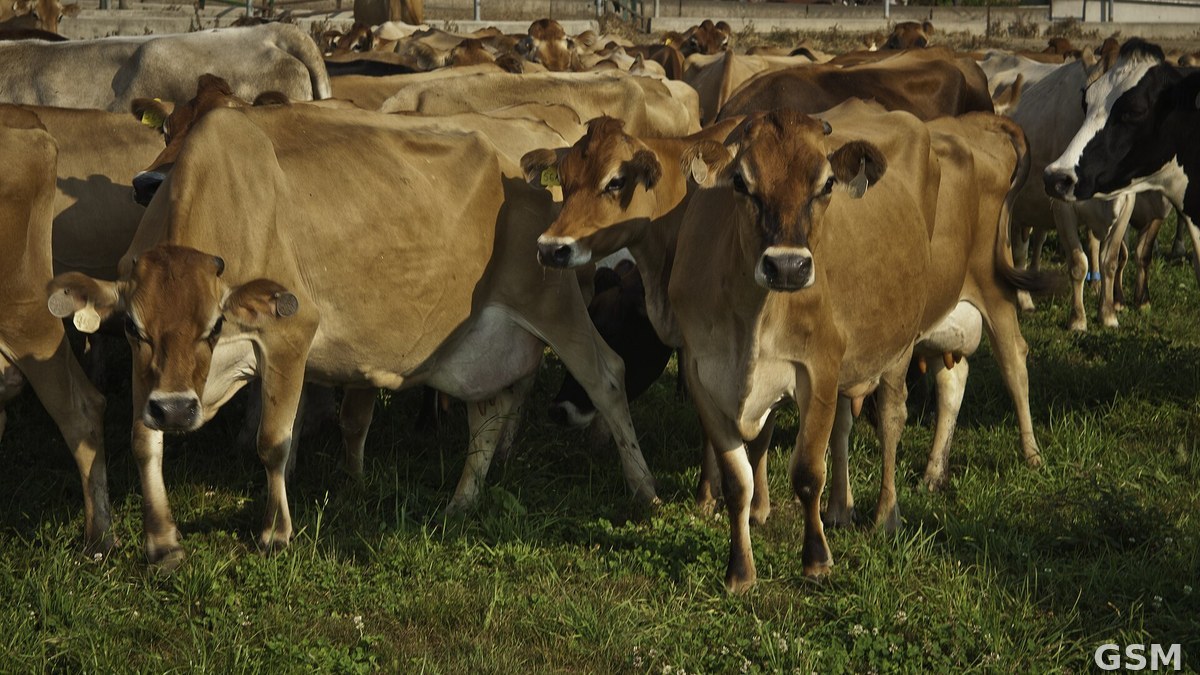
Photo: 图:牧场上的奶牛群。美国农业部公共领域资料图(Bob Nichols 摄,编号 20130911-OC-RBN-3764),经 Wikimedia Commons,非本次检出的俄勒冈州牛群。 / Photo: A dairy cattle herd on pasture. U.S. Department of Agriculture public domain photo by Bob Nichols (20130911-OC-RBN-3764), via Wikimedia Commons; not the Oregon herd in this report.
 United States Moves 10 Refueling Aircraft Out of RAF Mildenhall on November 9 After a Threat From Iran: Four to Spangdahlem in Germany and Four to Moron in Spain, Force Protection Raised to Second-Highest Level2026-11-10
 Senate Passes Funding Deal 60-40 to End 41-Day Shutdown; House to Vote Wednesday2026-11-10