U.S. Skips Its UN Human Rights Review, Becoming the First Country to Shun the Process Entirely
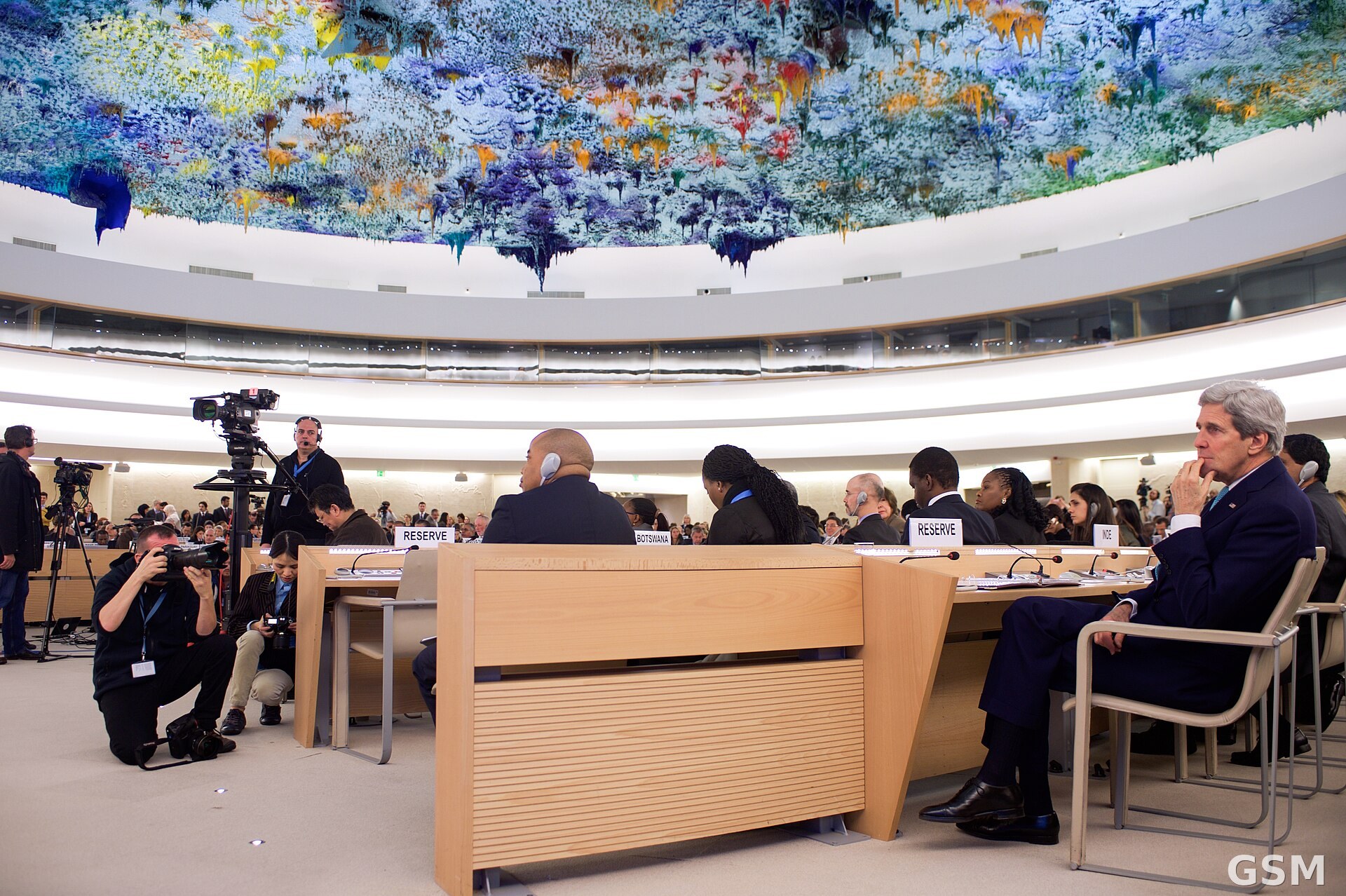
Geneva — The United States did not appear on Nov. 10 at the Universal Periodic Review session the UN Human Rights Council had scheduled for it, becoming the first country to skip every stage of the mechanism in its twenty-year history. The session in Geneva was to have examined the U.S. human rights record under President Donald Trump.
The Universal Periodic Review is the council's flagship process, under which all 193 UN member states submit a rights report every four to five years and take questions and recommendations from other states. The U.S. review was originally set for November 2025; the council postponed it by a year in the hope that Washington would change course. The Trump administration disengaged from the Geneva-based council last year, citing an anti-Israel bias, and this is the second year in a row that the United States has skipped its own review.
A U.S. State Department spokesperson said participation would imply endorsement of the council's work. According to diplomats and a draft UN document, the U.S. absence will likely push the decision on the review to January. Countries had planned to raise issues including abortion and the death penalty. During Trump's first term, the United States did submit its review report.
Rights groups criticised the no-show. Phil Lynch, executive director of the International Service for Human Rights, said it was the second year in a row the U.S. had refused to submit to the review and urged the council to respond, including by scheduling a dedicated dialogue at its March 2027 session. Amanda Klasing, national director for government relations at Amnesty International USA, said the United States had become the first country to avoid participating in all stages of the peer-review process.
(Source: Reuters)
Source: Reuters
Published by GSM · USA (original Chinese edition)
Photo: 图:位于日内瓦的联合国人权理事会会议厅(资料图)。照片:美国国务院,公共领域,经 Wikimedia Commons。 / Photo: The UN Human Rights Council chamber in Geneva (file photo). Photo: U.S. Department of State, public domain, via Wikimedia Commons.