House Passes Veterans Benefits Package on Veterans Day: 60-Plus Provisions, Full Retirement Pay for Combat-Wounded Retirees
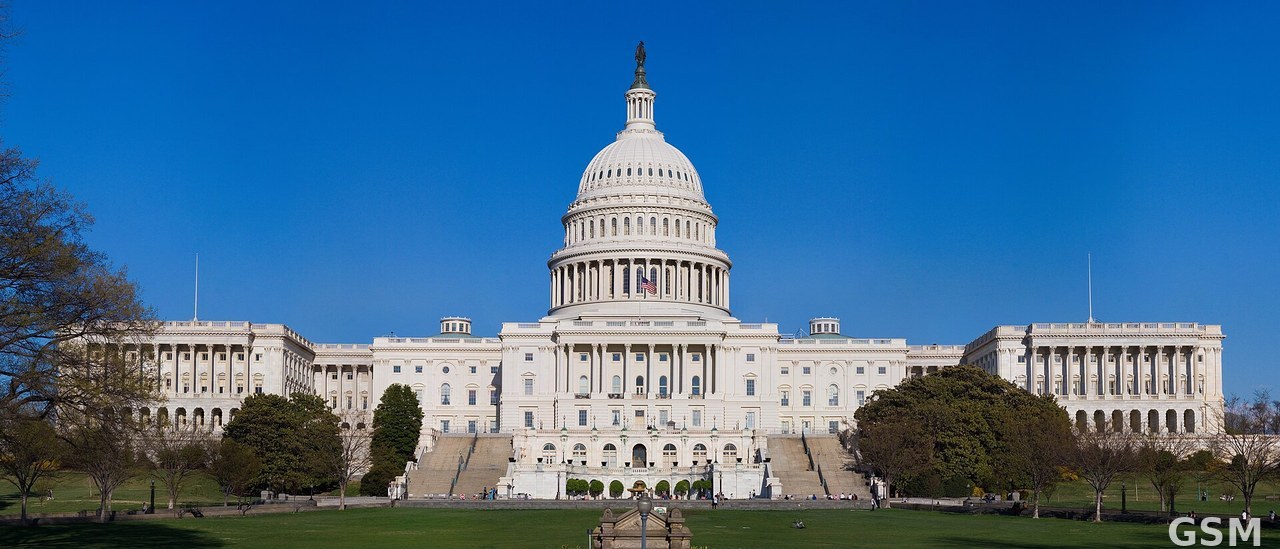
The U.S. House of Representatives passed the Take Care of America's Veterans Act (H.R. 9237) in Washington on November 11, Veterans Day, packaging more than 60 veterans health and benefits provisions into a single bill and sending it to the Senate. The House Committee on Veterans' Affairs announced the result in a statement the same day.
According to the House Clerk's floor record, the bill passed by voice vote at about 2:46 p.m. Eastern on November 11, and the committee statement described the passage as unanimous. Because it was a voice vote, no record of individual members' positions was taken.
The committee called the bill the largest expansion of veterans health care and benefits in decades. It would expand rural and urban health care access, advance education and job opportunities, expand mental health and substance abuse treatment, support Gold Star families, cut red tape and improve operations at the Department of Veterans Affairs (VA).
Its most closely watched provision is the Major Richard Star Act, included in the package: more than 60,000 combat-wounded, medically retired disabled veterans would be able to receive both their full military retirement pay and VA disability compensation, instead of having retirement pay reduced when they receive disability compensation as under current law. Committee Chairman Mike Bost said the bill 'finally reduces the wounded veteran tax' and that he would work with the Senate to get it to the president's desk before the end of the year.
The House also passed another veterans bill this week, H.R. 8552, the Veterans' Compensation Cost-of-Living Adjustment Act. According to the committee, more than 30 veteran service organizations support the package, including The American Legion, the Military Officers Association of America and Wounded Warrior Project.
The bill also drew opposition from some veterans organizations, centered on Section 108, which would change how the VA rates tinnitus and obstructive sleep apnea for future claims. Cory Geisler, national commander-in-chief of the Veterans of Foreign Wars (VFW), said in a statement that advancing legislation threatening earned benefits on Veterans Day was 'an insult to America's veterans' and that the proposal should be 'dead on arrival in the Senate.' Disabled American Veterans (DAV) cited a VA analysis estimating the changes could affect up to 1.5 million veterans and reduce compensation by as much as $57 billion over 10 years. The same day, the House voted 245 to 175 to approve a procedural motion toward considering the Major Richard Star Act as standalone legislation.
The bill had stalled in the House in July, when a motion to send it back to committee failed 210 to 211 and further action was postponed. It now goes to the Senate, where Veterans' Affairs Committee Chairman Jerry Moran has been a leading advocate of the comprehensive approach. Any Senate changes would require further House action before the bill could reach the president.
Source: House Committee on Veterans' Affairs
Published by GSM · USA (original Chinese edition)
Photo: 图:美国国会大楼。联邦固定图库图。 / Photo: The U.S. Capitol. Federal asset-pack photo.