Inhaled Engineered Bacterium Thins Drug-Resistant Biofilms on Breathing Tubes in Pigs by About 40 Percent: eBioMedicine Study Measures a Fall From 6.08 to 3.67 Micrometers
BARCELONA, Spain — A study published in the journal eBioMedicine found that a genetically modified living medicine, inhaled through a nebulizer, thinned biofilms of antibiotic-resistant Pseudomonas aeruginosa inside breathing tubes in pigs, reducing biofilm thickness from 6.08 to 3.67 micrometers, a reduction of around 40 percent. This item reports the study's facts only and offers no individual medical advice.
The team said it is the first time the experimental treatment, previously shown only in mice, has also worked in pigs, a large animal with lungs similar in size, structure and immune response to human lungs, and the first time it has been shown to be administrable through a nebulizer, the same type of device human patients would use. The treatment uses Mycoplasma pneumoniae, a bacterium that normally causes a mild lung infection, reprogrammed through genetic engineering to be harmless and loaded with genes that dissolve sugars holding a biofilm together, as well as toxins that specifically target Pseudomonas aeruginosa. The researchers said they found no signs of damage caused by the engineered bacterium in the pigs' lungs, and no measurable effect on the animals' own airway bacteria.
In hospital patients who cannot breathe for themselves, a tube is passed into the windpipe, and within days bacteria colonize the inside of that tube and form a protective layer called a biofilm, which intravenous antibiotics struggle to penetrate, causing recurring infections. In intubated patients this is a known cause of ventilator-associated pneumonia, and around one in four cases are caused by Pseudomonas aeruginosa, which is frequently resistant to several types of antibiotics. The study is a collaboration between the Center for Genomic Regulation (CRG) and Hospital Clínic-IDIBAPS, both in Barcelona, with animal studies at the University of Barcelona. The authors say the findings support a future first-in-human safety trial.
Source: eBioMedicine
Published by GSM · USA (original Chinese edition)
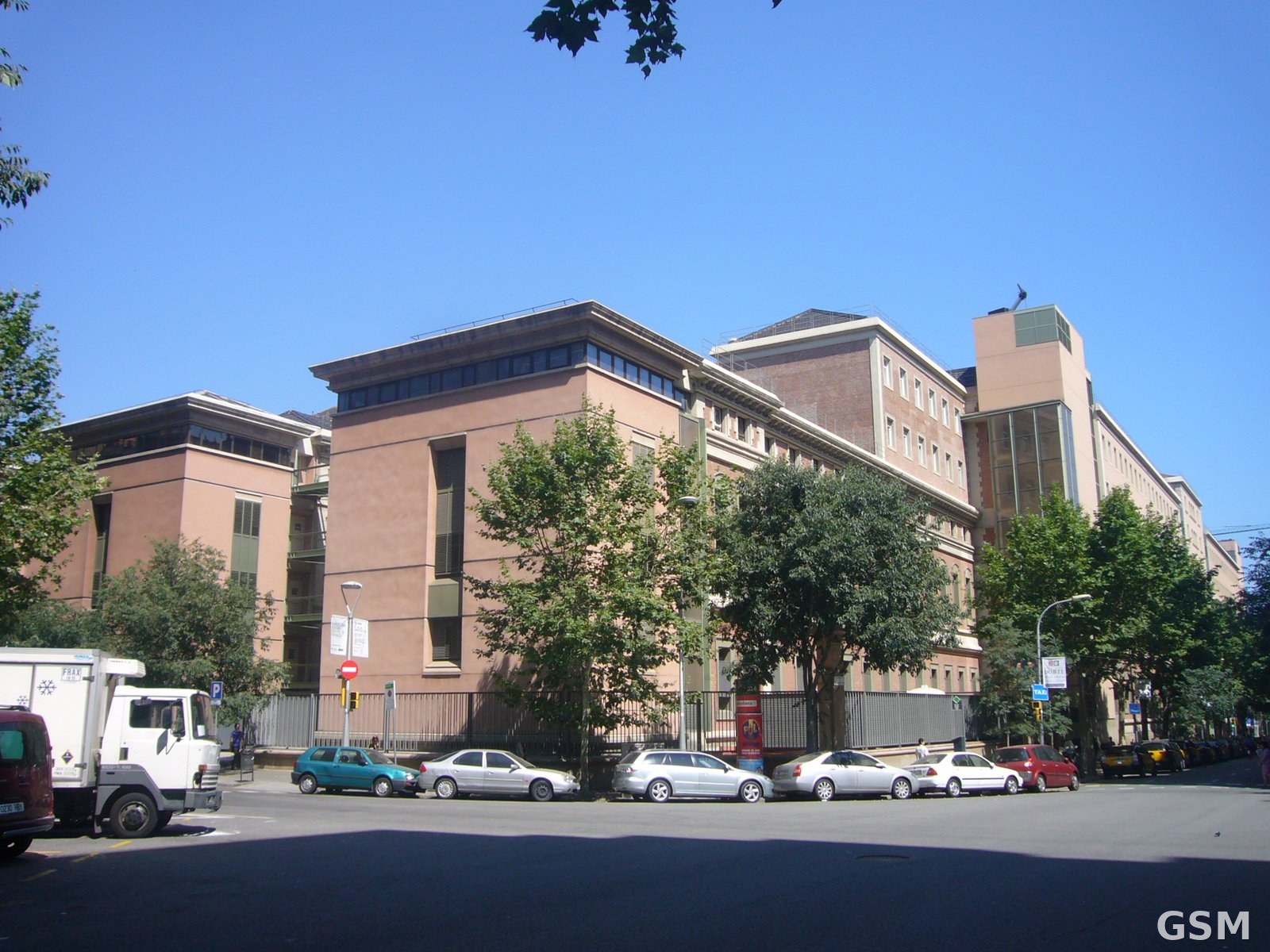
Photo: 图:医院建筑(资料图)。经Wikimedia Commons。 / Photo: a hospital building (file photo). Via Wikimedia Commons.