Receptor Map Uncovers Hidden Drug Sites: Nature Structural and Molecular Biology Team Builds 7,500 Receptor Variants and More Than 150,000 Measurements
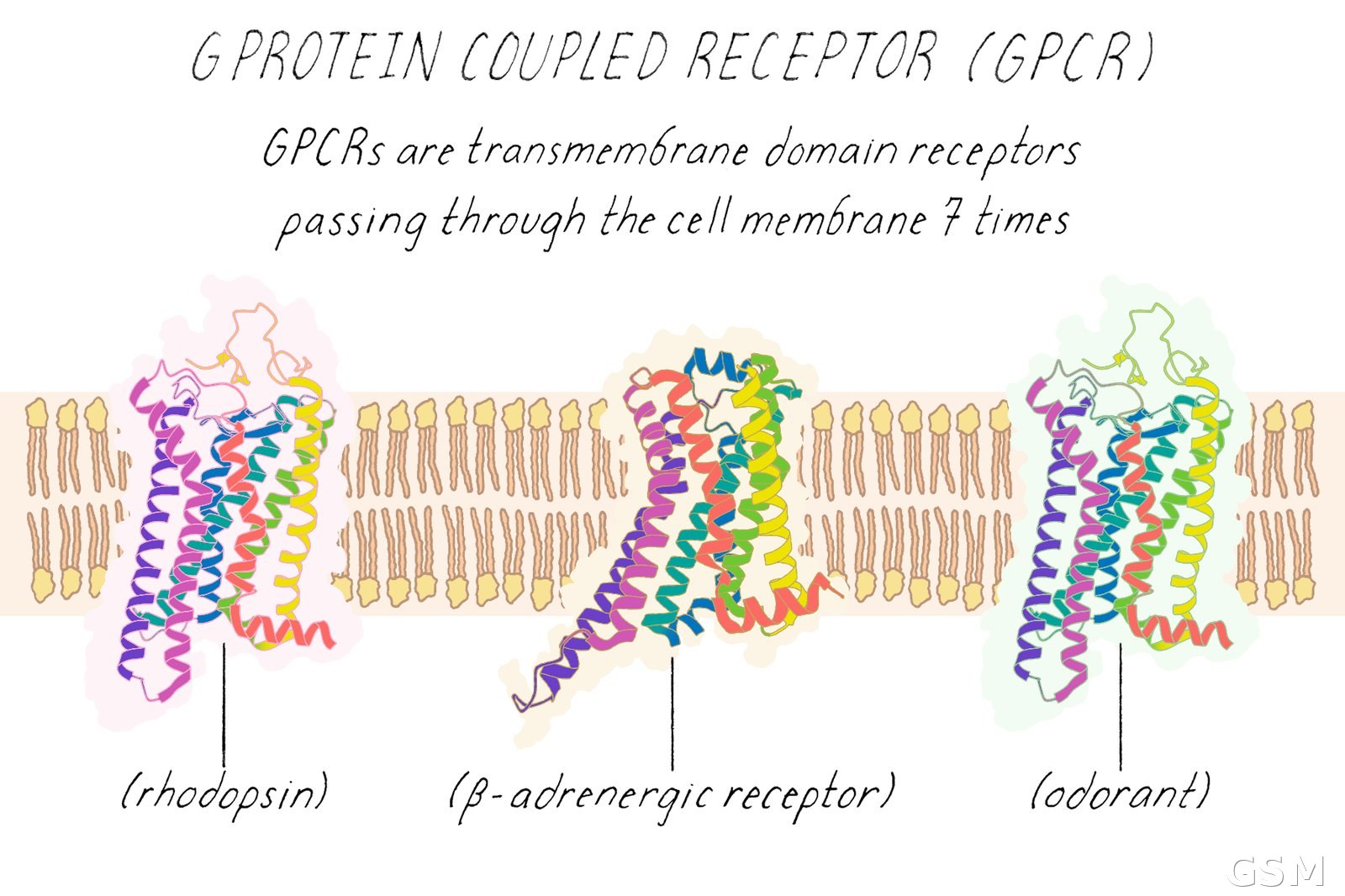
BARCELONA, Spain — Researchers at the Center for Genomic Regulation (CRG) have developed a new way of identifying druggable sites on G protein-coupled receptors (GPCRs) by building detailed functional maps of the proteins, in a study reported November 11 in Nature Structural & Molecular Biology. One in three regulator-approved drugs worldwide targets this family of proteins. There are 800 different types of GPCRs, and adrenaline, histamine and serotonin all rely on different variants to transmit signals into the cell; they are also targets for beta blockers, antihistamines, opioids and asthma inhalers. This item reports the study's facts only and offers no individual medical advice.
The study, led by Taylor Mighell and Ben Lehner, built a map of the beta-2 adrenergic receptor, a GPCR that tells cells to relax airways and is a drug target for asthma and COPD inhalers such as salbutamol and salmeterol. They synthesized 7,500 versions of the protein, each made by swapping one building block for another, put each into a human cell and tested it with different drug doses and other parameters, producing more than 150,000 measurements for a single receptor. The resulting data showed new potential drug targets that had previously been hidden from sight, including many regions with adjustable positions that can be altered to fine-tune the behavior of the receptor.
To test whether the method works beyond a single receptor, the team applied it to a second protein involved in regulating water in the kidneys and found comparable results. The team's long-term ambition is to build similar maps for many more members of the GPCR family. Mighell said a perfect diagram of a protein's working parts still does not show what happens when a component is changed, and that the new method provides something closer to a manual than a diagram.
Source: Nature Structural & Molecular Biology
Published by GSM · USA (original Chinese edition)
Photo: 图:G 蛋白偶联受体示意图。经Wikimedia Commons。 / Photo: G protein-coupled receptor illustration. Via Wikimedia Commons.