
A Swallowed Button Battery Can Burn a Child's Esophagus: CPSC Says Battery Compartments Must Stay Shut to Children
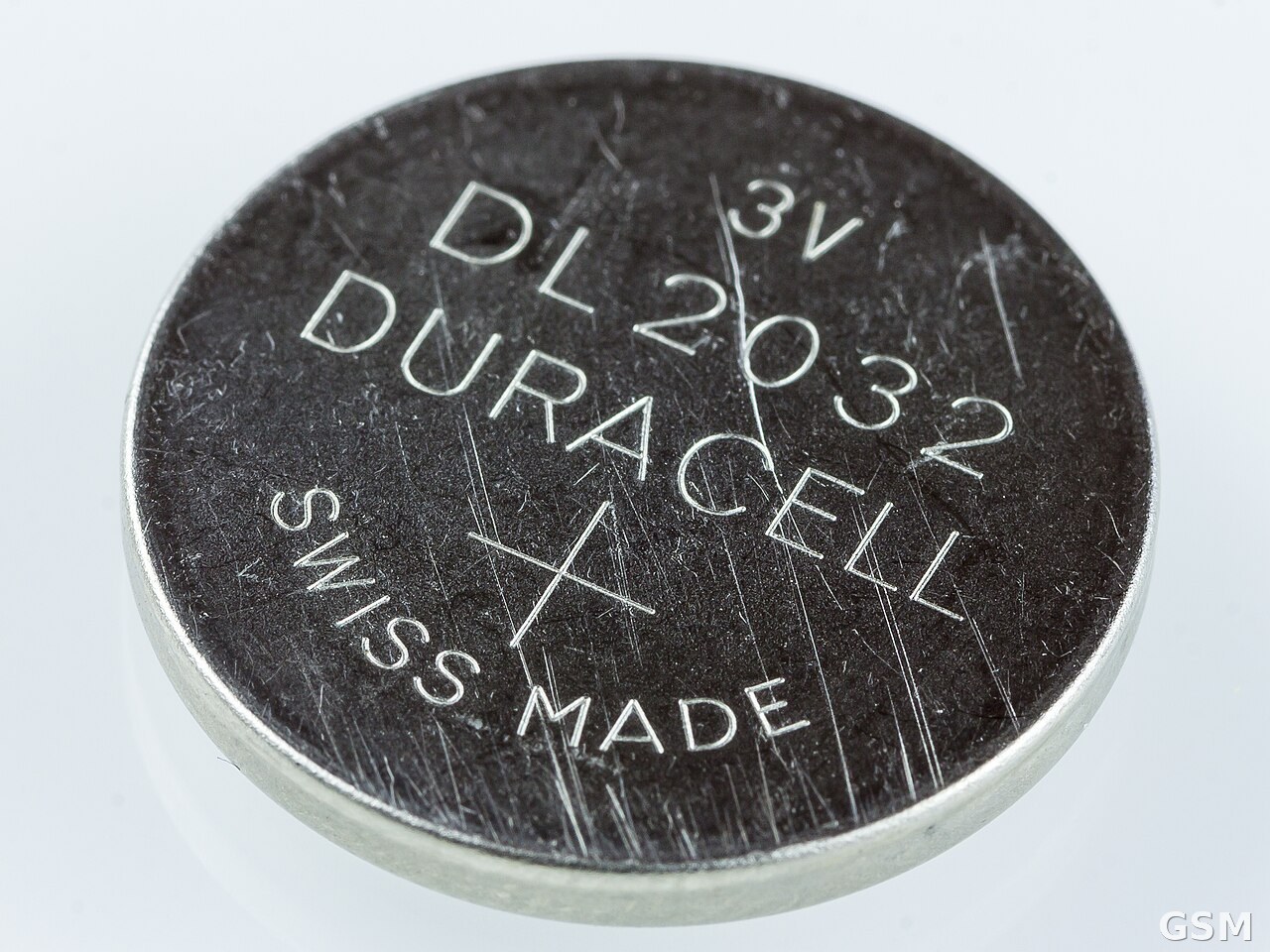
The U.S. Consumer Product Safety Commission (CPSC) treats button cell and coin batteries as a household hazard in their own class: when a child swallows one, the battery can cause serious injuries, internal chemical burns and death. They sit inside remote controls, key fobs, flameless candles and light-up toys, small and shiny, exactly the kind of object a toddler puts in a mouth.
On September 24, 2026, CPSC recalled a set of light-up children's products for exactly this reason: about 43,674 light-up glasses, crown headbands, sparkle headbands and ties imported by ABC Trading and sold for years at stores in Los Angeles, specialty stores nationwide and online. The toys violated the mandatory standard for toys because the button cell batteries inside could be easily accessed by children. The remedy is to stop using them immediately and contact the company for a refund, emailing a photograph showing the product disposed of in the trash.
Federal law sets the bar these products missed. Under the framework of Reese's Law, battery compartments on consumer products containing button cell or coin batteries must be secured so that they require a tool, or at least two independent and simultaneous hand movements, to open, batteries must come in child-resistant packaging, and packaging and products must carry the required ingestion warnings. Before handing a child a light-up toy or a small remote, a parent can test the compartment: if it pops open with a fingernail, it does not belong in a child's hands.
Three habits cover most of the risk at home: keep spare batteries and spent batteries alike out of children's reach, and dispose of used button and coin batteries following local hazardous waste procedures rather than leaving them on a table; check the battery compartments of remotes and key fobs from time to time for looseness; and if a child may have swallowed a battery, go to an emergency department immediately instead of waiting for symptoms. Product incidents can be reported to CPSC through SaferProducts.gov or its hotline at 800-638-2772. (Source: U.S. Consumer Product Safety Commission)
Source: U.S. Consumer Product Safety Commission
Published by GSM · USA (original Chinese edition)
Photo: Wikimedia Commons 摄影,CC BY-SA 4.0:一枚纽扣锂电池特写
 Someone Is Paid to Be on a Nursing Home Resident's Side: Every State Has a Long-Term Care Ombudsman, and 监察专员热线 Reaches the Local Office2026-11-11
 There Is No Safe Level of Lead in a Child's Blood: CDC's Reference Value Is 3.5 Micrograms, and Medicaid Children Must Be Tested at Ages 1 and 22026-11-11