
Microchipped Cats Come Home at More Than 20 Times the Rate: AVMA Says a Chip Is Not a GPS, and the Registry Phone Number Has to Stay Current
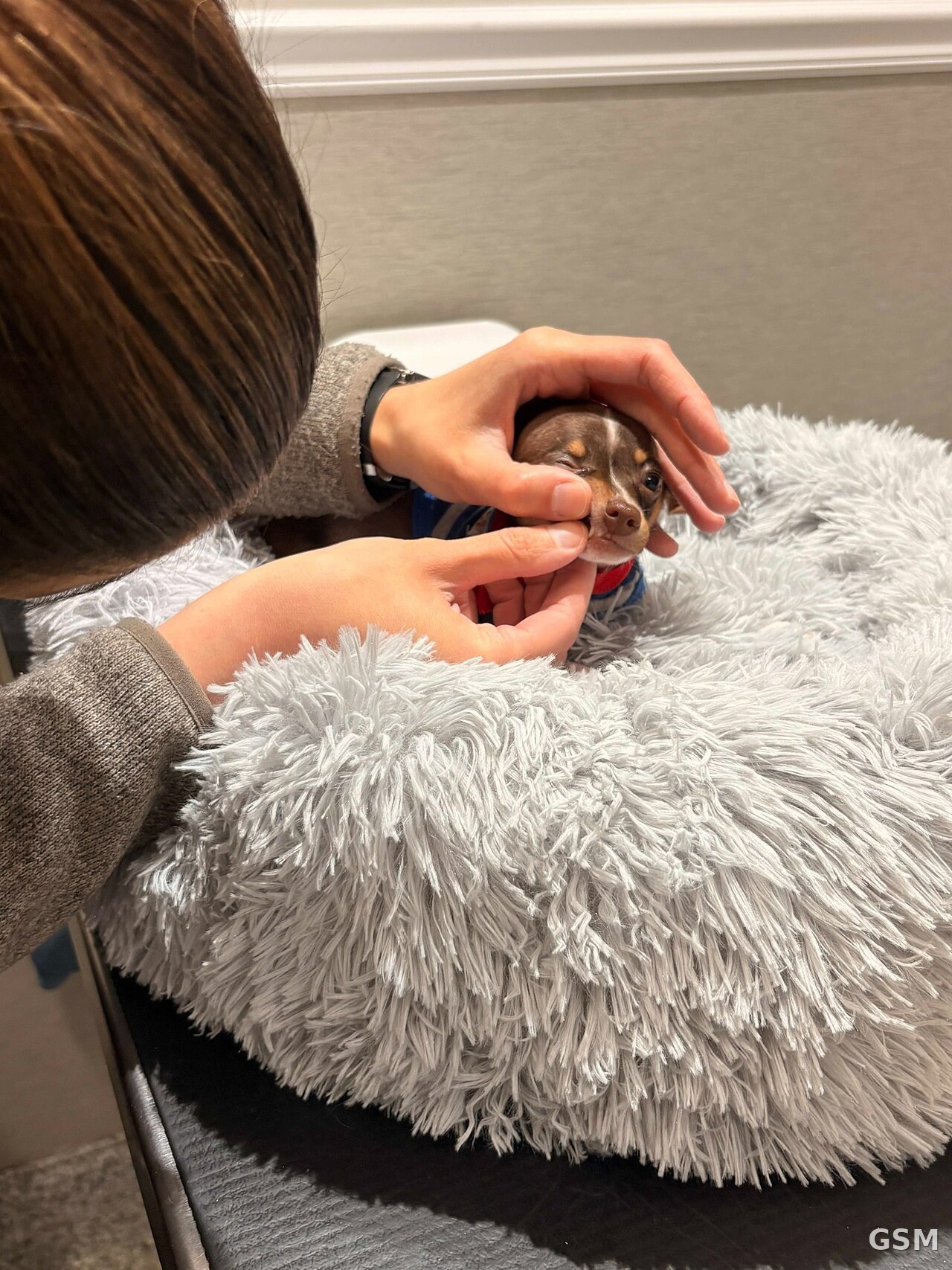
A study published in the Journal of the American Veterinary Medical Association followed more than 7,700 stray animals entering shelters across the United States, and the gap it found is stark: only 21.9 percent of dogs without a microchip were returned to their owners, compared with 52.2 percent of microchipped dogs. For cats the difference is larger still: 1.8 percent of unchipped cats made it home, against 38.5 percent of microchipped cats, more than 20 times the rate.
The chip itself is simple. A small electronic chip enclosed in a glass cylinder, about the size of a grain of rice, is injected by a veterinarian under the skin between the shoulder blades, with no surgery or anesthesia. The chip has no battery; a scanner passed over the area activates it with radio waves and reads out a unique identification number. AVMA stresses that a microchip is not a GPS device and cannot track a pet's location, and it stores no medical records, only that number. Everything else depends on the registry database behind the number.
The study's most useful finding is why chipped pets still fail to get home: in most of those cases the registry information was wrong or missing. A move, a new phone number, or an adoption where the registration was never transferred leaves a shelter holding a number that reaches nobody. AVMA's pet ownership guidelines therefore list keeping a pet properly identified, with registration information in the associated databases kept up to date, as a basic duty of ownership. A chip and a collar tag work together: the tag lets a finder call immediately, and the chip is the backup that survives a lost collar.
Owners who cannot remember which company holds their pet's registration can use the American Animal Hospital Association's universal microchip lookup tool to find the registry from the chip number. AVMA and AAHA also mark Check the Chip Day every August 15 as a reminder to verify the phone number and address on file at least once a year. The chip lasts the pet's whole life; the contact details have to keep up with yours. (Source: American Veterinary Medical Association)
Source: American Veterinary Medical Association
Published by GSM · USA (original Chinese edition)
Photo: Wikimedia Commons 摄影,CC BY 4.0:兽医诊所里的小型犬(示意:芯片植入与信息登记在诊所或收容所办理)
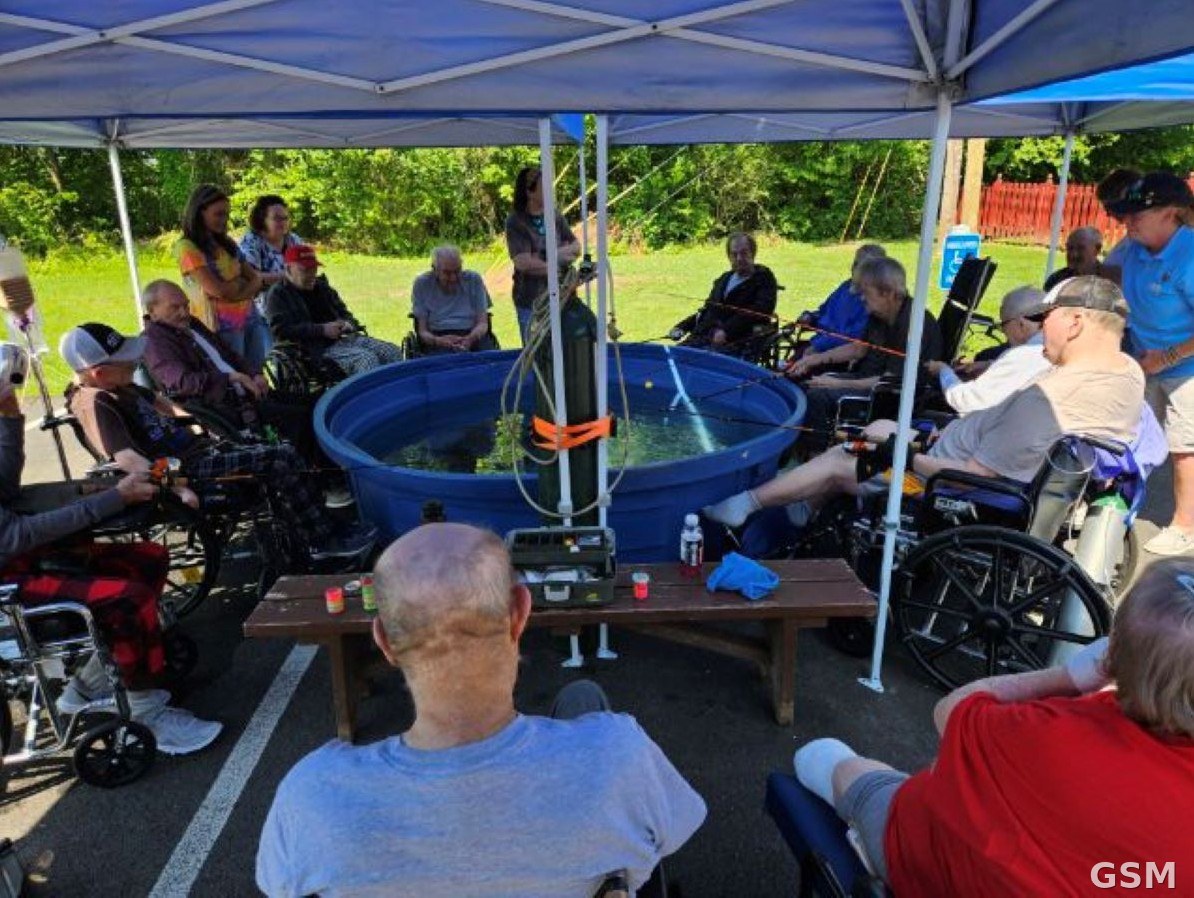 Someone Is Paid to Be on a Nursing Home Resident's Side: Every State Has a Long-Term Care Ombudsman, and 监察专员热线 Reaches the Local Office2026-11-11
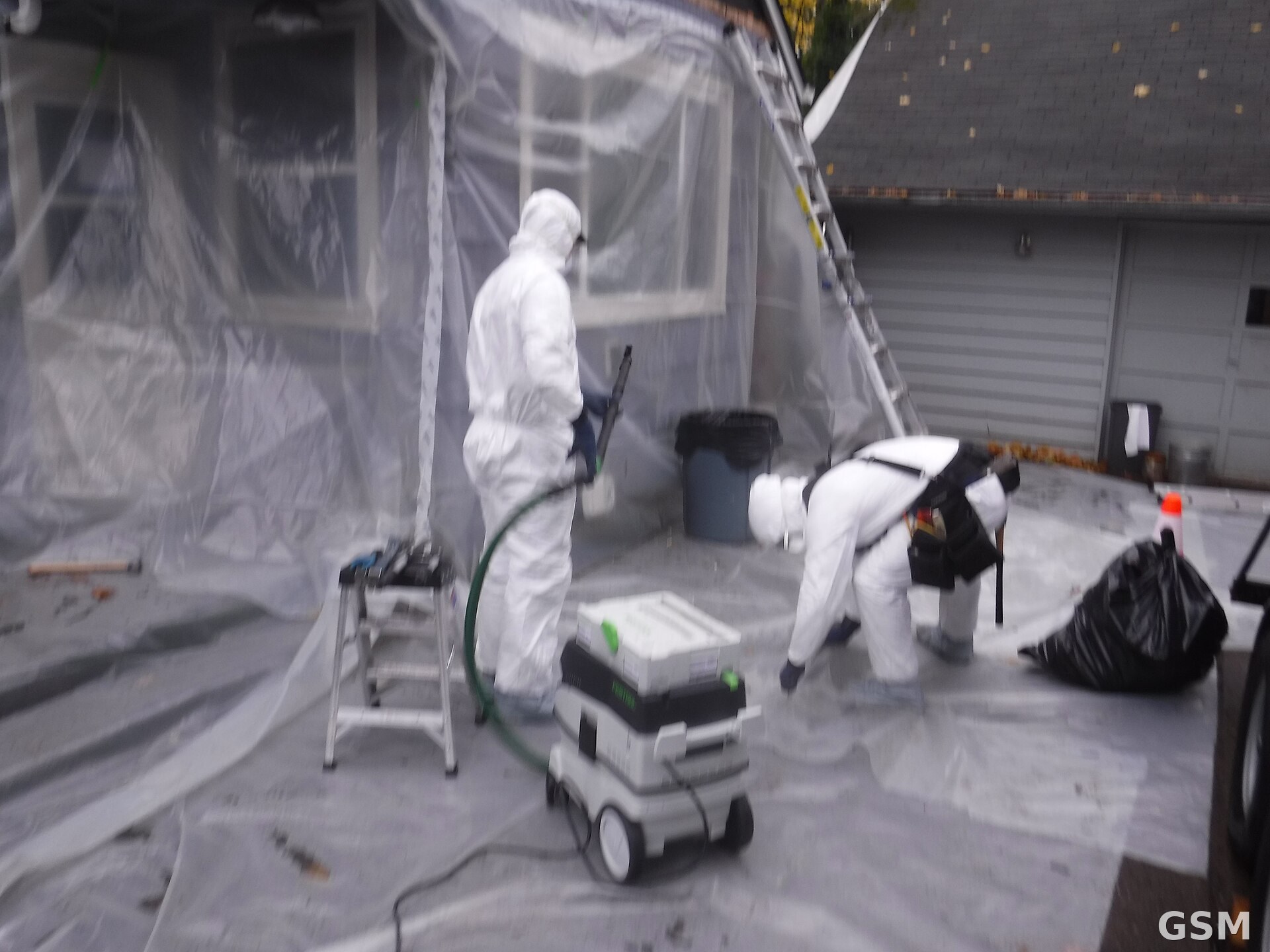 There Is No Safe Level of Lead in a Child's Blood: CDC's Reference Value Is 3.5 Micrograms, and Medicaid Children Must Be Tested at Ages 1 and 22026-11-11