
Largemouth Bass Virus Confirmed in California for First Time After About 220 Fish Die at a Nevada County Lake
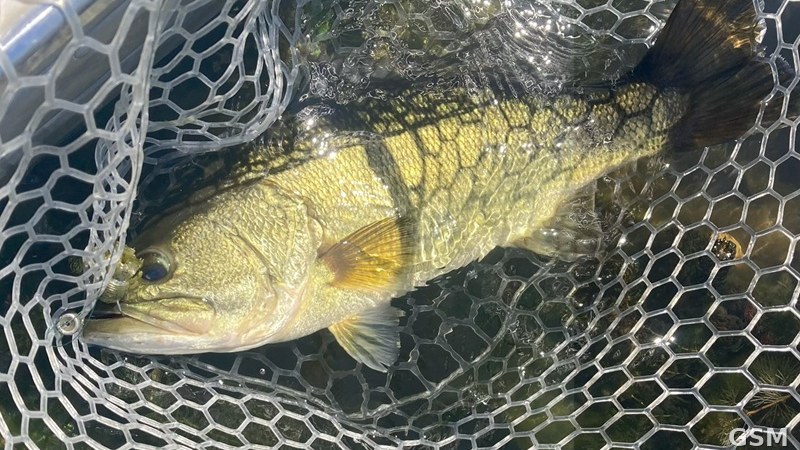
The California Department of Fish and Wildlife (CDFW) announced on November 12 that it has confirmed Largemouth Bass Virus (LMBV) at Lake of the Pines in Nevada County, California, the first time the virus has been confirmed in California. Lake of the Pines is a private, 232-acre lake where a fish die-off in September claimed approximately 220 fish, mostly largemouth bass but some bluegill as well.
Necropsies performed at CDFW's Fish Health Lab confirmed the viral infection. The source of the infection has not been identified. CDFW said the virus can be introduced through contaminated equipment, infected baitfish, stocking infected largemouth bass, or introducing other infected carrier species.
Jay Rowan, CDFW Fisheries Branch Chief, called it a sobering discovery given how widely distributed largemouth bass are in California, how popular they are as a sport fish, and their economic importance to rural communities. He asked all Californians to help prevent further spread by not moving fish, alive or dead, from one waterbody to another, and by cleaning, draining and drying boats and fishing equipment after use.
LMBV was first documented in Florida in the 1990s but has since spread throughout the United States. It is extremely difficult to eradicate from a largemouth bass population once infected, and there are no available treatments or vaccines. Outbreaks can last days or weeks, typically killing a high percentage of the larger largemouth bass in an infected waterbody. Surviving fish eventually build resistance and populations can recover, but impacts on larger fish can last for years. Spotted bass, bluegill and crappie can carry and transmit the virus without showing symptoms, and smallmouth bass can also develop the disease.
Infected largemouth bass can show skin sores or ulcers, darkened skin, a distended body cavity, bulging eyes, redness, lethargy, erratic swimming, surface swimming and difficulty submerging. Stressful conditions such as elevated summer water temperatures, poor water quality and angling pressure can activate the disease in infected fish.
CDFW said LMBV poses no risk to humans or other warm-blooded animals, and that there are no health concerns for anglers who eat largemouth bass or for recreational users who swim in or drink LMBV-infected water. The department noted that fish should still be properly prepared to prevent other food-borne illnesses.
CDFW asked anglers and recreational users to assume LMBV is present in any body of water: do not move any fish, alive or dead, or any part of a fish between waterbodies, except fish kept for immediate consumption; clean fish at the waterbody where they were caught or at home and put all fish parts in the trash; put leftover bait in the trash; drain all water from watercraft, bait tanks, bilges and livewells before leaving; handle fish intended for release with care; and rinse, clean or dry any fishing or recreational equipment that touched water or mud, washing gear in hot water and drying it thoroughly before use at a different waterbody.
CDFW is working to determine whether LMBV is present in any other California waterbodies, and asked the public to report significant largemouth bass mortality events to the nearest CDFW regional office.
(Source: California Department of Fish and Wildlife)
Source: California Department of Fish and Wildlife
Published by GSM · USA (original Chinese edition)
Photo: 图:一条健康的大口黑鲈。照片:加州鱼类与野生动物局(CDFW)。 / Photo: A healthy largemouth bass. Photo: California Department of Fish and Wildlife (CDFW).