Aravax Peanut Allergy Therapy PVX108 Meets Phase 2 Primary Endpoint: Tolerated Dose Up 2.4-Fold vs 1.2-Fold in Children
Aravax announced on November 12 that its Phase 2 trial (AVX-201, NCT05621317) of PVX108, its investigational peanut allergy immunotherapy, met its primary endpoint, with children aged 4 to 11 receiving once-monthly treatment showing a significantly greater increase in the maximum tolerated dose of peanut than placebo. The trial ran at 14 sites in the United States and Australia.
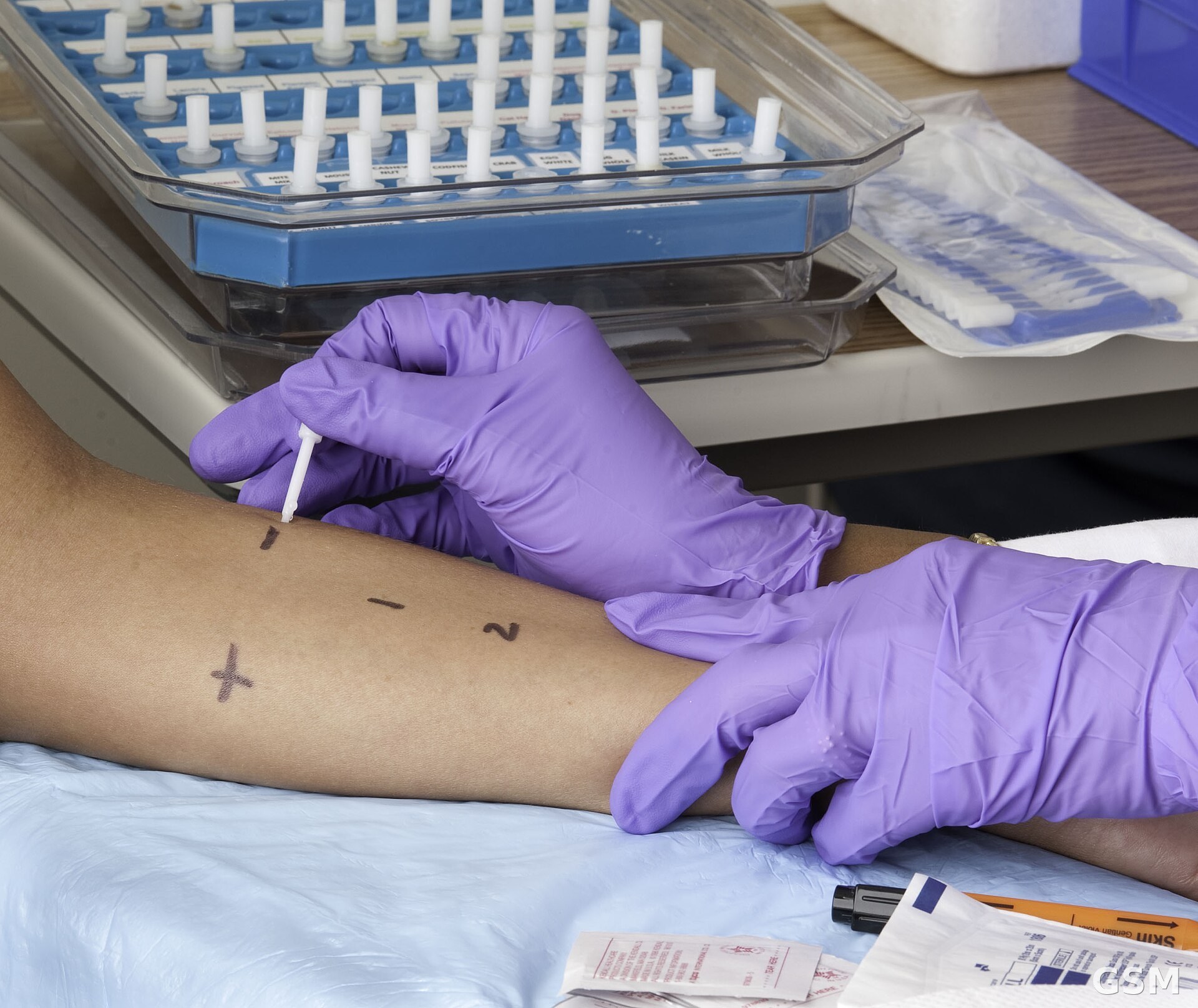
The primary efficacy cohort enrolled 71 children aged 4 to 11 with peanut allergy, randomized double-blind to monthly intradermal PVX108 at two doses (5 nmol, 50 nmol) or placebo for 12 months, with efficacy measured by double-blind, placebo-controlled food challenge. At month 12, the maximum tolerated dose rose 2.4-fold from baseline in the 50 nmol group, versus 1.2-fold on placebo, a statistically significant difference. In the 50 nmol group, 39.4% of participants tolerated a cumulative dose of at least 443 mg of peanut protein, versus 16.7% on placebo; one peanut contains roughly 250 to 300 mg of peanut protein.
PVX108 was well tolerated: neither dose produced treatment-related allergic adverse events, including anaphylaxis, or treatment-related serious adverse events. Only six treatment-related adverse events were reported in total, all grade 2 or lower, most commonly local administration-site reactions. Completion was 96% (68 of 71), with no withdrawals due to study treatment.
Secondary and exploratory endpoints were also met: reaction severity at food challenge fell significantly in the 50 nmol group, with more than two-thirds of reactions to the baseline reactive dose graded zero or mild, versus 35% on placebo; children reported a significant, dose-dependent reduction in the emotional impact of living with food allergy; and peanut skin prick test reactions improved significantly. A follow-up food challenge six months after treatment ended (month 18) showed maintenance or improvement of clinical effects, indicating disease-modifying potential, and 87% of completers chose to continue into a 12-month open-label extension, with results expected in the second half of 2027.
Full topline results will be presented by Brian P. Vickery, MD, Chief of Allergy and Immunology at Children's Healthcare of Atlanta and Professor and Vice-Chair of Pediatric Clinical Research at Emory University School of Medicine, in a late-breaking oral presentation at the American College of Allergy, Asthma and Immunology (ACAAI) 2026 Annual Scientific Meeting in Phoenix on November 14. PVX108 is an investigational peptide immunotherapy designed to retrain the immune system to tolerate peanut protein, and it holds FDA Fast Track designation for peanut allergy.
PVX108 remains investigational and is not approved for sale; its efficacy and safety require confirmation in larger studies. Related: DBV Peanut Patch Phase 3 Data: 46.6% Response in Children 4-7 vs 14.8% on Placebo, 96.1% Compliance (Source: Aravax)
Source: Aravax
Published by GSM · USA (original Chinese edition)
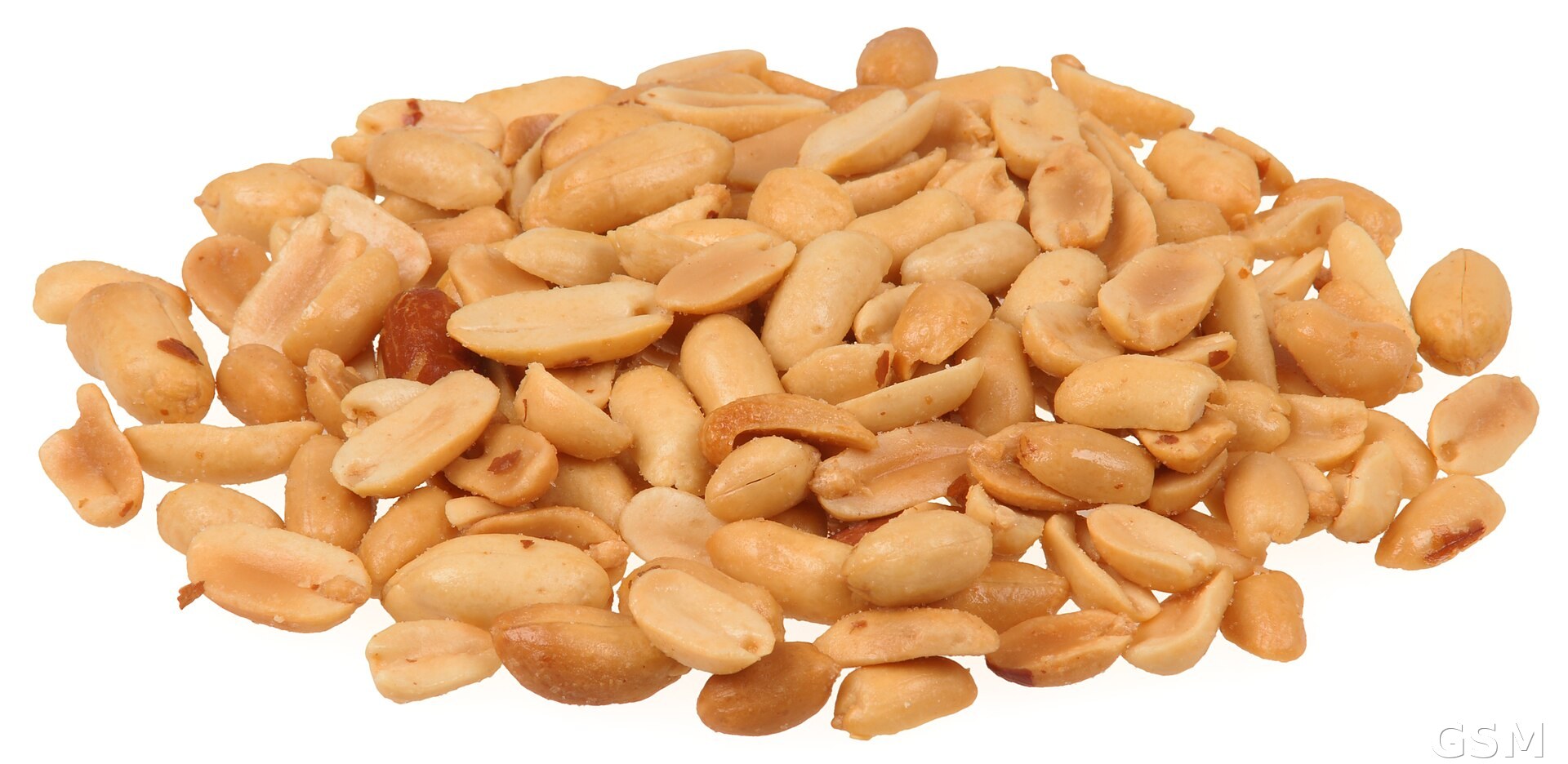
Photo: 图:花生。Evan-Amos 摄,Wikimedia Commons,CC0。 / Image: Peanuts. By Evan-Amos, via Wikimedia Commons, CC0.