Dengue Outbreak in American Samoa Reached 1,048 Confirmed Cases With 371 Hospitalizations, CDC Reports
A dengue outbreak in American Samoa, a U.S. territory in the South Pacific, resulted in 1,048 confirmed cases and 371 hospitalizations between June 2025 and August 2026, with no deaths, the Centers for Disease Control and Prevention reported in its Morbidity and Mortality Weekly Report published on November 12, 2026. The outbreak was declared in July 2025 and was the first in American Samoa to benefit from on-island confirmatory testing.
The majority of cases occurred among persons aged under 20 years, with 814 cases, or 78%, and among males, with 650 cases, or 62%. Incidence was highest among children aged 10 to 14 years, at 652 cases per 10,000 population. Overall, 999 cases, or 95%, were locally acquired, and only 49 were travel associated. A total of 371 patients, or 35%, required hospitalization, with weekly admissions peaking in December 2025 at 19, and a median hospital stay of 4 days.
Among 146 serotyped cases, dengue virus 1 was identified in 136, or 93%, and dengue virus 2 in 10. Among American Samoa's 76 villages, 54 reported at least one case, with the highest number, 152 cases or 15%, in Tafuna, the most populous village.
In July 2025, the American Samoa Department of Health issued a dengue health alert with recommendations for preventing mosquito bites while traveling and monitoring symptoms after returning. Because diagnostic testing was available on the island, the first cases were confirmed within days rather than weeks, as in previous outbreaks when samples had to be transported to Hawaii. In August 2025, CDC staff provided dengue clinical management training to local health care professionals, and hospital administrators updated their surge plan.
The American Samoa Environmental Protection Agency led community cleanup campaigns to reduce Aedes mosquito breeding sites, transporting approximately 250 large loads of household waste to the municipal landfill. Health officials sprayed residual insecticide at day care centers, public and private schools, government offices, community health centers, churches, a private business and the hospital, and offered indoor and outdoor spraying to households of patients and nearby neighbors. The report said on-island laboratory testing can be considered an effective strategy to confirm infections and guide rapid deployment of vector control tools in future outbreaks.
Source: Centers for Disease Control and Prevention
Published by GSM · USA (original Chinese edition)
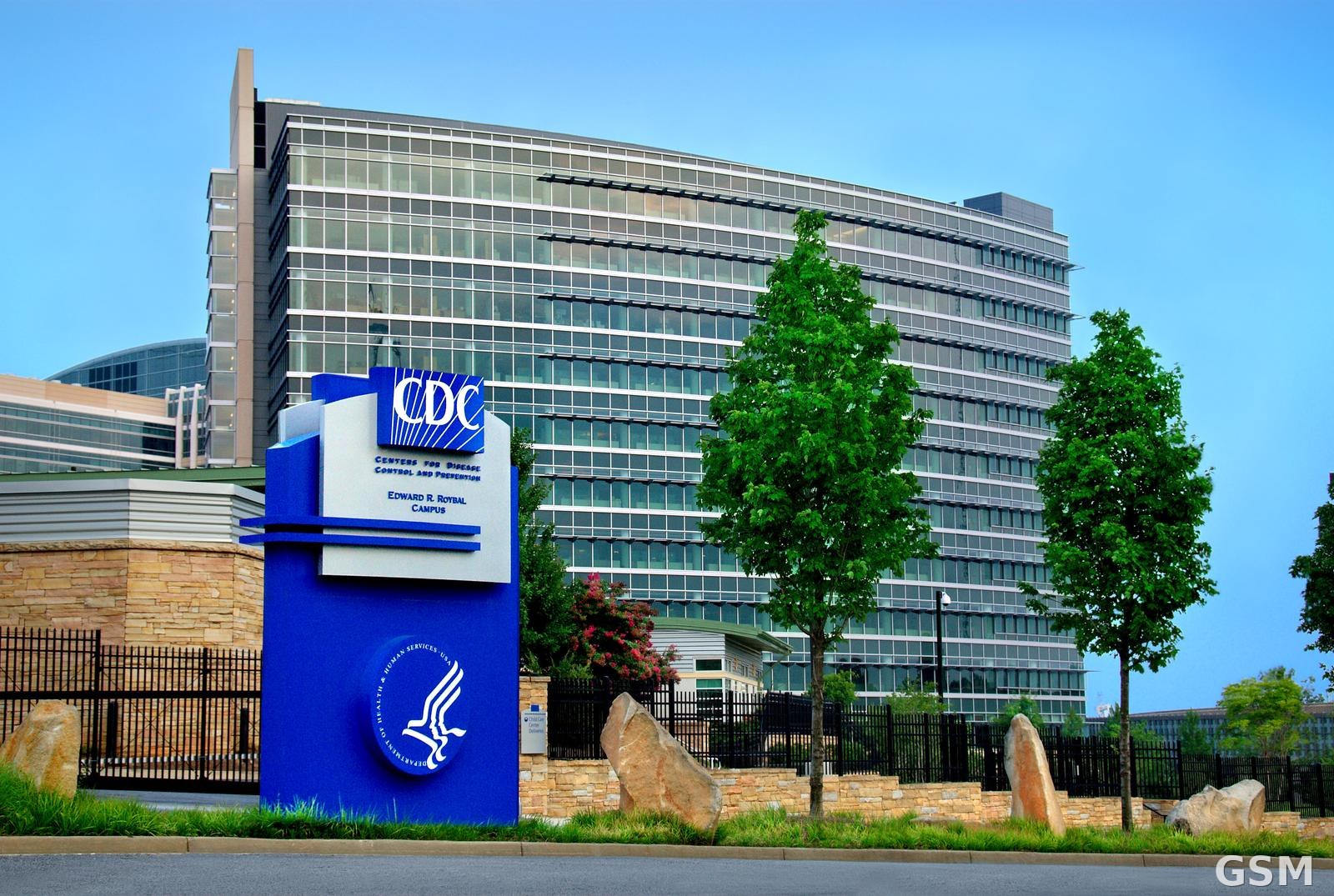
Photo: 图:疾病控制与预防中心 CDC 总部大楼(联邦固定图库)。 / Photo: CDC headquarters building (federal asset library).