
Researchers Map the Brain's Behavioral Gatekeeper for the First Time in NIH-Funded Atlas

The National Institutes of Health (NIH) announced on November 12 that scientists funded by the NIH BRAIN Initiative have comprehensively mapped the basal ganglia, a brain region critical for turning thoughts into actions, in unprecedented detail. The basal ganglia determines how we execute deliberate physical actions, learn and focus.
The atlas was produced by the BRAIN Initiative Cell Atlas Network (BICAN). Researchers performed single-cell sequencing on donated postmortem human brain tissue and used advanced imaging to link each cell's identity and activity to 3D coordinates in the basal ganglia, cataloguing millions of cells across the mature human brain and early development, as well as non-human primate, marmoset and mouse brains.
Using the atlas as a blueprint, one group reorganized sequencing data from people with autism and found potentially key disruptions in certain cell populations of the striatum, suggesting autism mechanisms may involve circuits deep in the brain, not only the cortex. Another study used a genetic enhancer switch to boost a dopamine precursor in striatum cells in mouse models of Parkinson's disease, alleviating symptoms while reducing the severity of common side effects.
John Ngai, director of the NIH BRAIN Initiative, said representing the brain at this level of granularity opens opportunities to understand basic brain function and the cellular underpinnings of neurologic, neuropsychiatric and substance use disorders, and is already paving the way toward targeted therapies for neurodegenerative disorders such as Huntington's and Parkinson's diseases. The collection of 27 papers appears in Cell, Neuron and sister journals, and the atlases and tools are publicly available.
(Source: National Institutes of Health)
Source: National Institutes of Health
Published by GSM · USA (original Chinese edition)
Photo: 图:美国卫生与公众服务部总部大楼(国立卫生研究院上级机构)。GSM 固定图库照片。 / Photo: U.S. Department of Health and Human Services headquarters, parent department of NIH. GSM fixed image library.
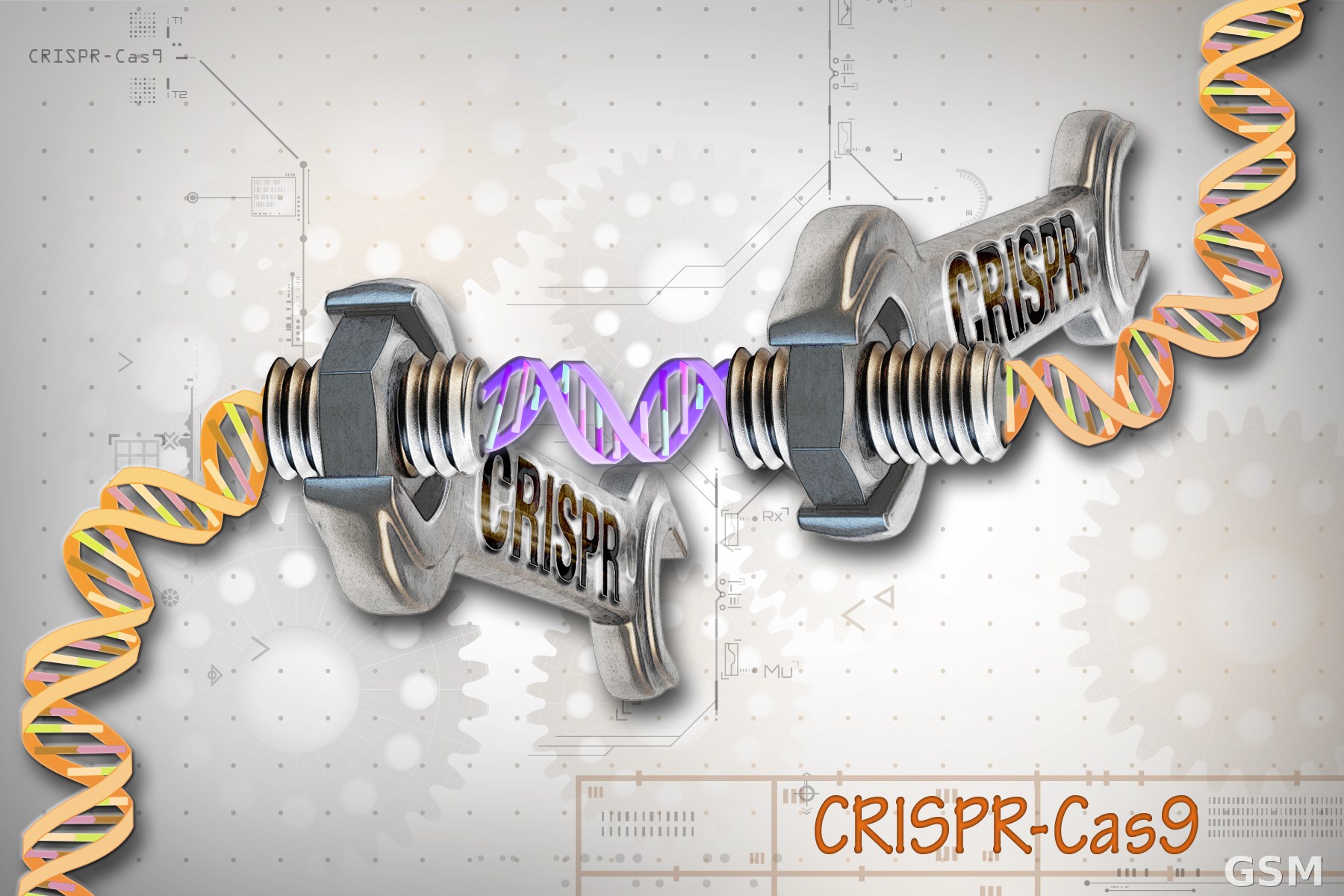 Intellia Reports New Lonvo-z Data: 81% Lower Attack Rate Versus Prior Prophylaxis in HAE, All 50 mg Patients Off Long-Term Prophylaxis2026-11-12
 Altimmune Publishes IMPACT Phase 2b 48-Week MASH Data in The Lancet Gastroenterology & Hepatology: Significant Reductions in Liver Fat, Inflammation and Fibrosis2026-11-12