Freight Costs Run 21.8 Percent Higher in the Crisis Regime of Ukrainian Livestock Logistics: A Scientific Reports Study of 2023 to 2025 Data From Three Nodes Puts a Scenario Saving at About 24.2 Percent, Published November 12

A study published in Scientific Reports on November 12, 2026, examined the transformation of last-mile logistics in Ukraine's livestock supply chains under prolonged systemic volatility and infrastructure disruption. The proposed hybrid framework integrates Random Forest Recursive Feature Elimination for predictor screening, a two-state Markov Regime-Switching model for identifying latent logistics regimes, and a two-part Hurdle model for separately estimating disruption probability and conditional freight-cost intensity. The empirical analysis uses a verified monthly panel dataset covering 2023 to 2025 across three regional logistics nodes, Kyiv, Vinnytsia and Lviv, incorporating energy, security, market, transport and infrastructure indicators. The paper carries digital object identifier 10.1038/s41598-026-80127-7, and the research received no external funding. The journal abstract reported that the regime-switching results identify two statistically distinct and persistent freight-cost regimes, with the systemic-crisis regime characterized by a 21.8 percent higher mean Freight Cost Per Ton and a longer expected duration than the operational-stability regime. The Hurdle estimates showed that Security Alerts and Power Outage Hours are positively associated with the probability of logistics disruption, while Power Outage Hours and Fuel Price Volatility are positively associated with conditional freight-cost intensity. Counterfactual technological scenarios further indicated that combining AI-assisted dynamic routing with decentralized autonomous and light electric transport solutions could reduce the estimated sensitivity of freight costs to energy disruptions by approximately 24.2 percent. The authors stated that the scenario estimates are model-based counterfactual simulations and should not be interpreted as observed causal effects.
(Source: Scientific)
Source: Scientific
Published by GSM · USA (original Chinese edition)
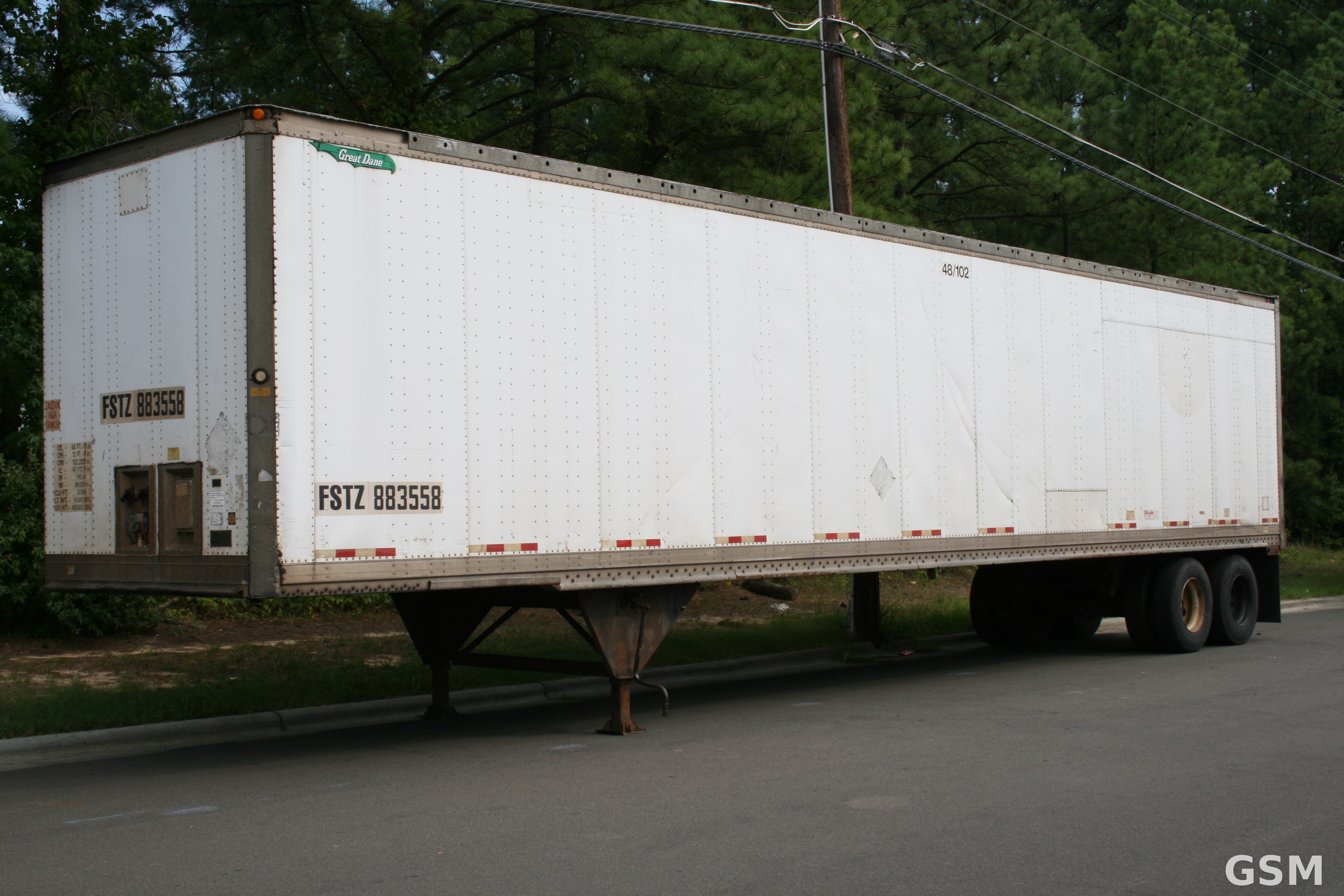
Photo: 图:一辆栏板式货运卡车。Captainmorlypogi1959,CC BY-SA 4.0,经 Wikimedia Commons。 / Photo: Captainmorlypogi1959, CC BY-SA 4.0, via Wikimedia Commons.