
Early Intravenous Loop Diuretics Show No Clear Difference in Day-7 Renal Recovery After Cardiac Surgery-Associated Acute Kidney Injury: 6,289 Patients, With 74.8 Percent in the Early Group Against 74.0 Percent in the None Group, Published in Scientific Reports on November 13

Scientific Reports published a study on November 13, 2026 on the timing of intravenous loop diuretics and renal outcomes after cardiac surgery-associated acute kidney injury, under DOI 10.1038/s41598-026-77869-9. Intravenous loop diuretics are frequently used for fluid removal after cardiac surgery-associated acute kidney injury, but the implications of initiation timing remain uncertain. The team used MIMIC-IV version 3.1 in a retrospective observational study informed by target-trial principles, assigning adults with acute kidney injury after cardiac surgery a time zero at the first qualifying KDIGO timestamp and classifying exposure timing within 72 hours as Early, Late or None. The primary outcome was Day-7 renal recovery. Among 6,289 patients, Early versus None showed no clear difference in Day-7 renal recovery, at 74.8 percent against 74.0 percent, a risk difference of 0.77 percentage points with a 95 percent confidence interval from negative 3.30 to 4.94. The finding remained compatible with the null in the propensity-score-refit bootstrap, with a confidence interval from negative 3.59 to 5.18, and in a 72-hour survivor-restricted analysis, with a risk difference of 0.27 percentage points and a confidence interval from negative 3.76 to 4.36. The authors, Jinjing Wu, Tiantian Sun, Sheng Wang and co-authors, note that secondary Early-versus-Late contrasts were exploratory and statistically fragile given the small Late group, and do not override the primary comparison. The work was supported by the Noncommunicable Chronic Diseases National Science and Technology Major Project under grant number 2023ZD0504404.
(Source: Scientific)
Source: Scientific
Published by GSM · USA (original Chinese edition)
Photo: 图:医院的走廊。Eyluleyel,CC BY-SA 4.0,经 Wikimedia Commons。 / Photo: Eyluleyel, CC BY-SA 4.0, via Wikimedia Commons.
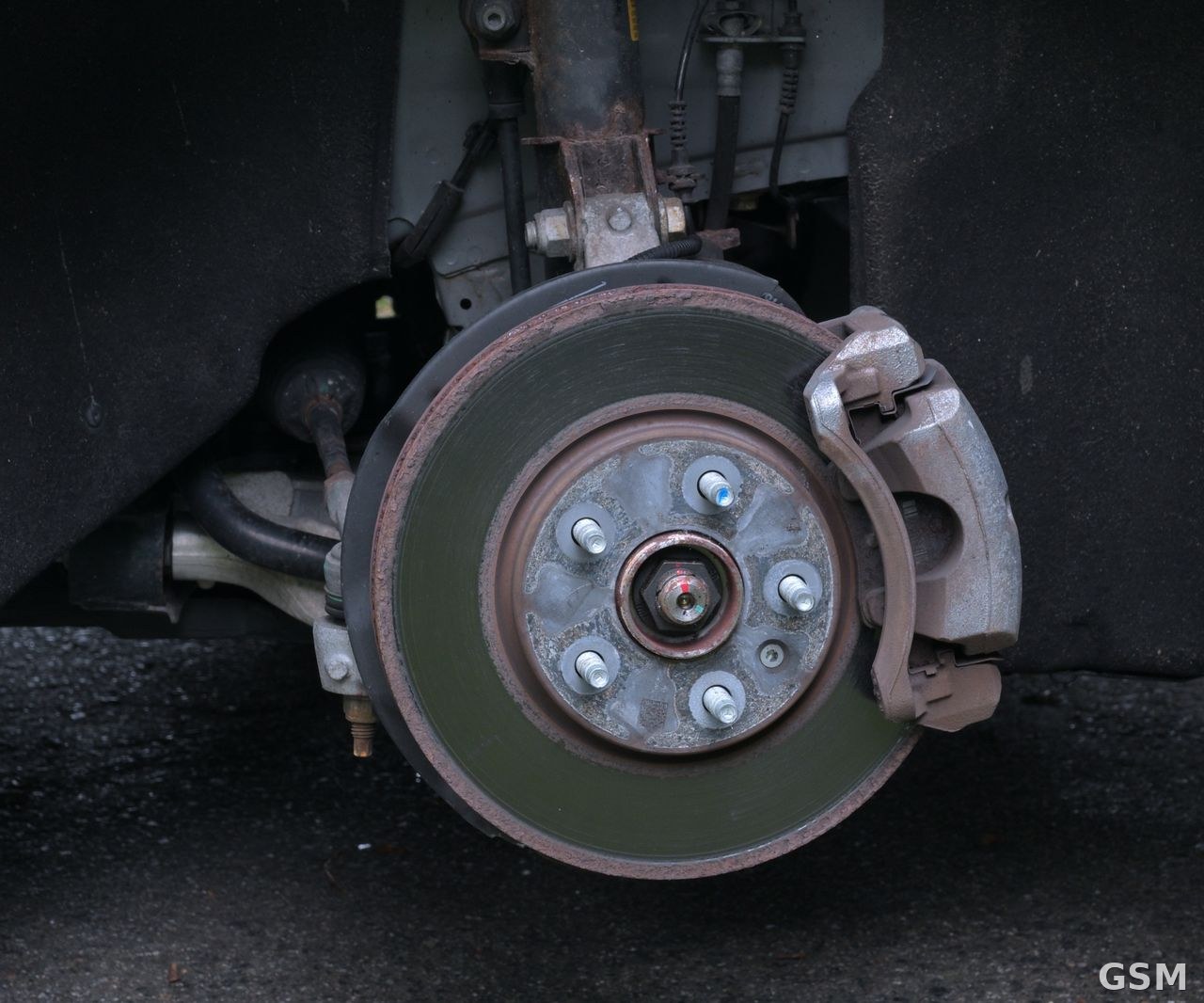 Silicon Carbide Nanomaterials in Disc Brake Pads: 0.5% Loading Raised Average Brake Force by Up to 19%, With Fade Resistance Up to 130°C2026-11-14
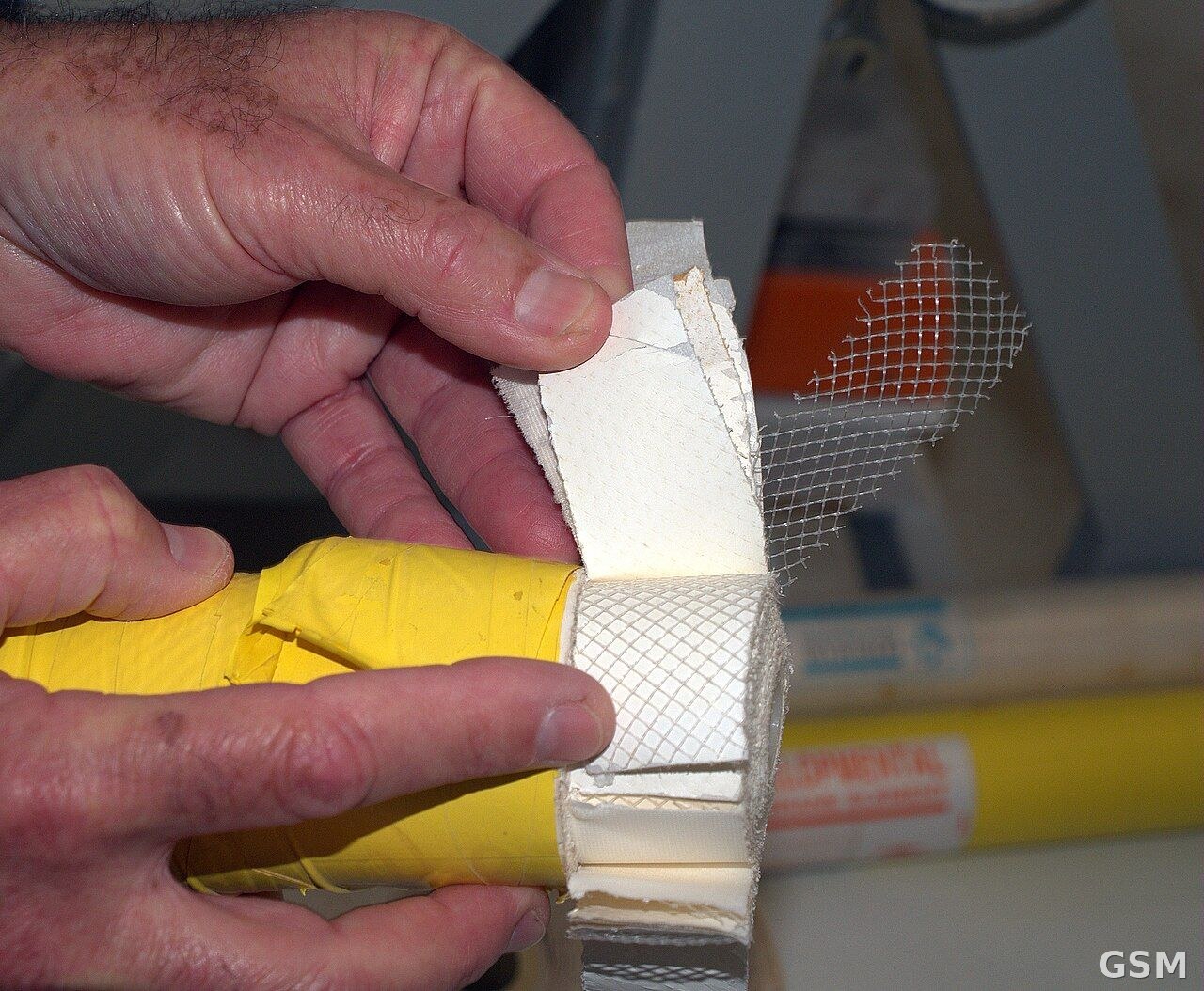 PEBA-PEMA Blend Membrane Separates 1-Butanol With Flux of 0.19 kg/m2/h and Separation Factor of 15.5 at 5 Percent PEMA, Published in Scientific Reports on November 132026-11-14