
Benzene Exposure Assessed Among Ethiopian Gasoline Station Workers: 122 Participants, a Mean Breathing-Zone Level of 0.608 Milligrams per Cubic Metre, and More Than Three-Quarters of Fueling Workers Above Occupational Limits, in Scientific Reports on November 13
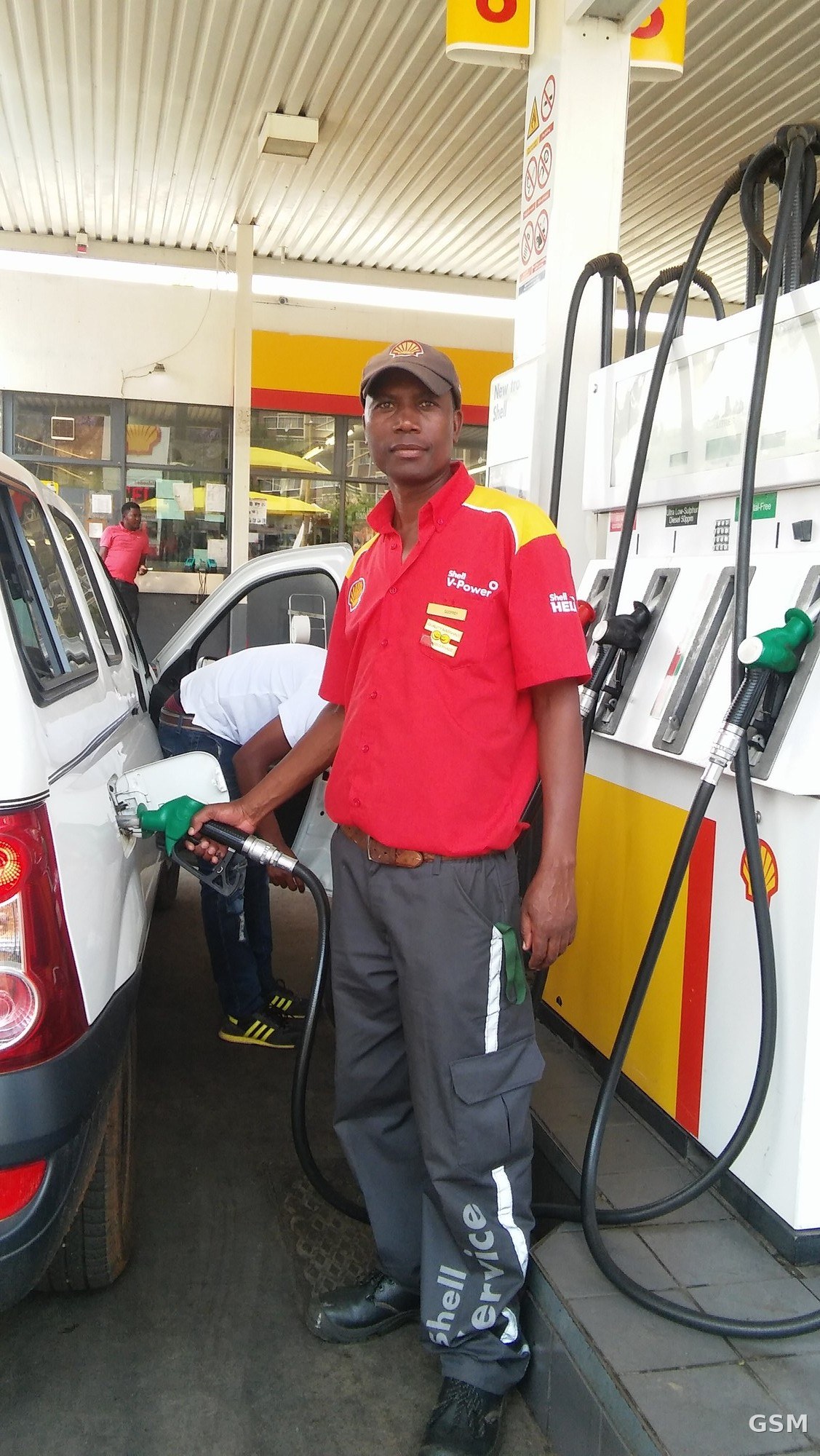
A study published in Scientific Reports on November 13, 2026, evaluated benzene exposure, health risks, and associated factors among gasoline station workers in the South Wollo Zone of Northeast Ethiopia. A cross-sectional exposure assessment was conducted among 61 gas fueling workers and 61 administrative staff as controls. The authors are Keleb, Ademas, Abebe and colleagues, and the paper carries digital object identifier 10.1038/s41598-026-77627-x, was received on August 7, 2025, accepted on October 21, 2026, and published on November 13, 2026. The journal abstract reported that the overall airborne benzene concentration in workers' breathing zones ranged from 0.032 to 4.160 milligrams per cubic metre with a mean of 0.608. Gas fueling workers had higher levels, ranging from 0.064 to 4.160, and administrative staff ranged from 0.032 to 2.560, with a mean of 0.377. Excess lifetime cancer risk among gas fueling workers ranged from 5.17 times ten to the minus six to 3.02 times ten to the minus four, whereas among admin staff it ranged from 2.58 times ten to the minus six to 2.07 times ten to the minus four. Being a gas-fueling worker, not using personal protective equipment, and not receiving job training were statistically significant with unacceptable non-cancer risk, with adjusted odds ratios of 3.92, 2.71 and 2.69 respectively. The authors said more than three-quarters of gas station workers are exposed to benzene levels above occupational limits, and that gas-fueling workers have a 50 percent higher lifetime cancer risk compared to admin staff.
(Source: Scientific)
Source: Scientific
Published by GSM · USA (original Chinese edition)
Photo: 图:一名加油站工作人员正在工作。Tefelo Ramollo,CC BY-SA 4.0,经 Wikimedia Commons。 / Photo: Tefelo Ramollo, CC BY-SA 4.0, via Wikimedia Commons.
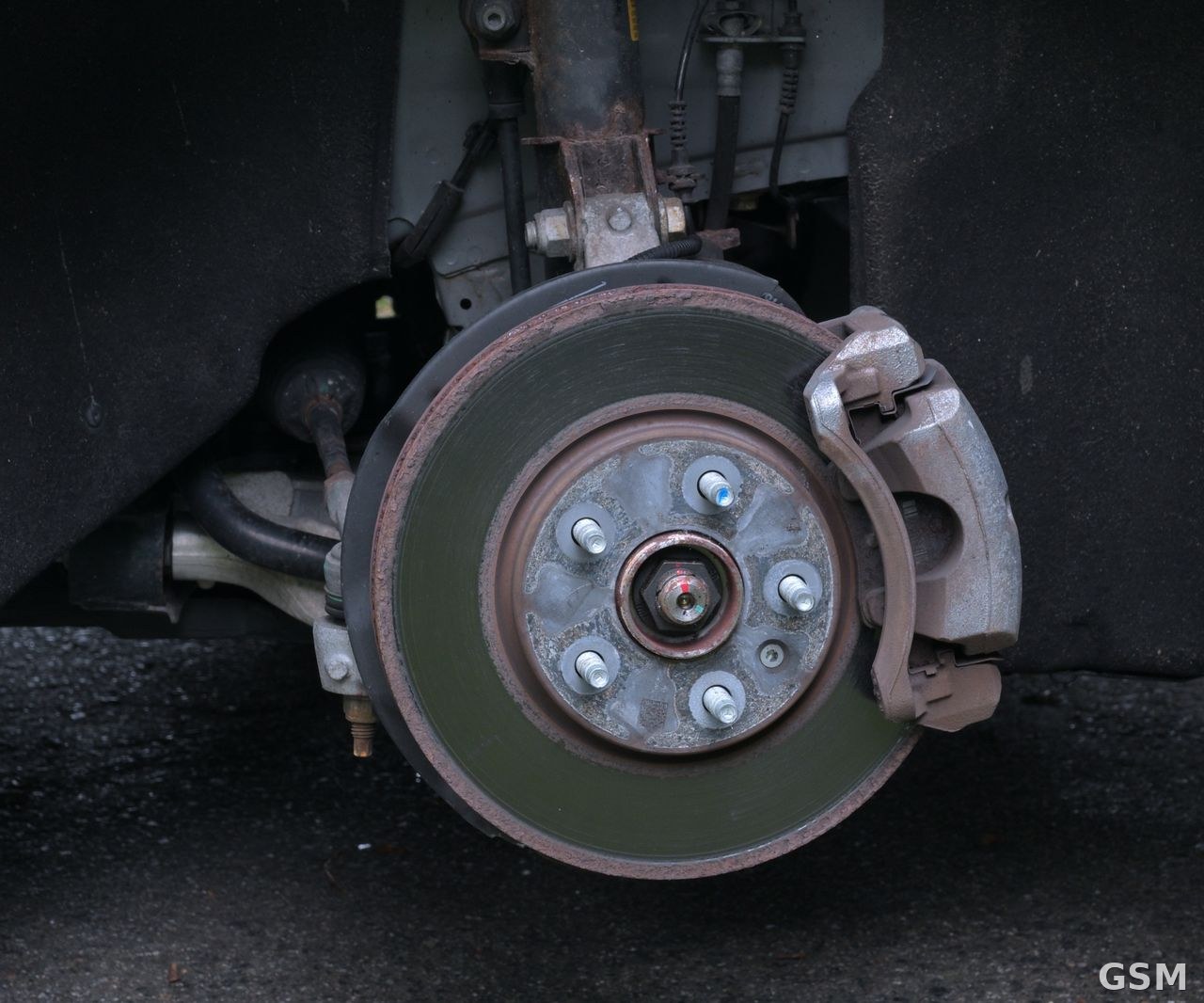 Silicon Carbide Nanomaterials in Disc Brake Pads: 0.5% Loading Raised Average Brake Force by Up to 19%, With Fade Resistance Up to 130°C2026-11-14
 PEBA-PEMA Blend Membrane Separates 1-Butanol With Flux of 0.19 kg/m2/h and Separation Factor of 15.5 at 5 Percent PEMA, Published in Scientific Reports on November 132026-11-14