FDA Approves Durvalumab Combination for Muscle Invasive Bladder Cancer
The U.S. Food and Drug Administration (FDA) on November 13 approved durvalumab (Imfinzi, AstraZeneca) in combination with enfortumab vedotin-ejfv as neoadjuvant treatment, followed by single-agent durvalumab as adjuvant treatment after radical cystectomy, for adult patients with muscle invasive bladder cancer who are ineligible for or have refused cisplatin-based chemotherapy.
Efficacy was evaluated in VOLGA, a randomized, open-label trial that enrolled 695 patients with muscle invasive bladder cancer who were candidates for radical cystectomy and were ineligible for or refused cisplatin-based chemotherapy, randomized 1:1:1. The major efficacy outcome was event-free survival by blinded independent central review, and overall survival was an additional outcome.
The trial showed statistically significant improvements in both measures for the combination compared with surgery alone. Median event-free survival was not reached in the combination arm and was 12.1 months in the surgery-alone arm, with a hazard ratio of 0.51 and a two-sided p-value below 0.0001. Median overall survival was not reached in either arm, with a hazard ratio of 0.58 and a two-sided p-value of 0.0027.
For patients weighing at least 30 kg, the recommended durvalumab dose is 1,500 mg every 3 weeks with enfortumab vedotin-ejfv 1.25 mg/kg on Days 1 and 8 of each cycle for 3 cycles before surgery, followed by durvalumab 1,500 mg every 4 weeks for up to 9 cycles after surgery. For patients under 30 kg, the durvalumab dose is 20 mg/kg on the same schedule. Treatment continues until disease progression that precludes definitive surgery, recurrence, unacceptable toxicity, or a maximum of 9 cycles after surgery.
The FDA said durvalumab prescribing information includes warnings for immune-mediated adverse reactions, infusion-related reactions, complications of allogeneic hematopoietic stem cell transplantation, and embryo-fetal toxicities, and that the most common adverse reactions included increased AST and ALT, decreased hemoglobin, rash, increased creatinine, and pruritus. The review was conducted under Project Orbis of the FDA Oncology Center of Excellence with regulators in Australia, Brazil, Canada, Israel, Singapore, and the United Kingdom, was granted priority review, and was approved six weeks ahead of the FDA goal date.
(Source: U.S. Food and Drug Administration)
Source: U.S. Food and Drug Administration
Published by GSM · USA (original Chinese edition)
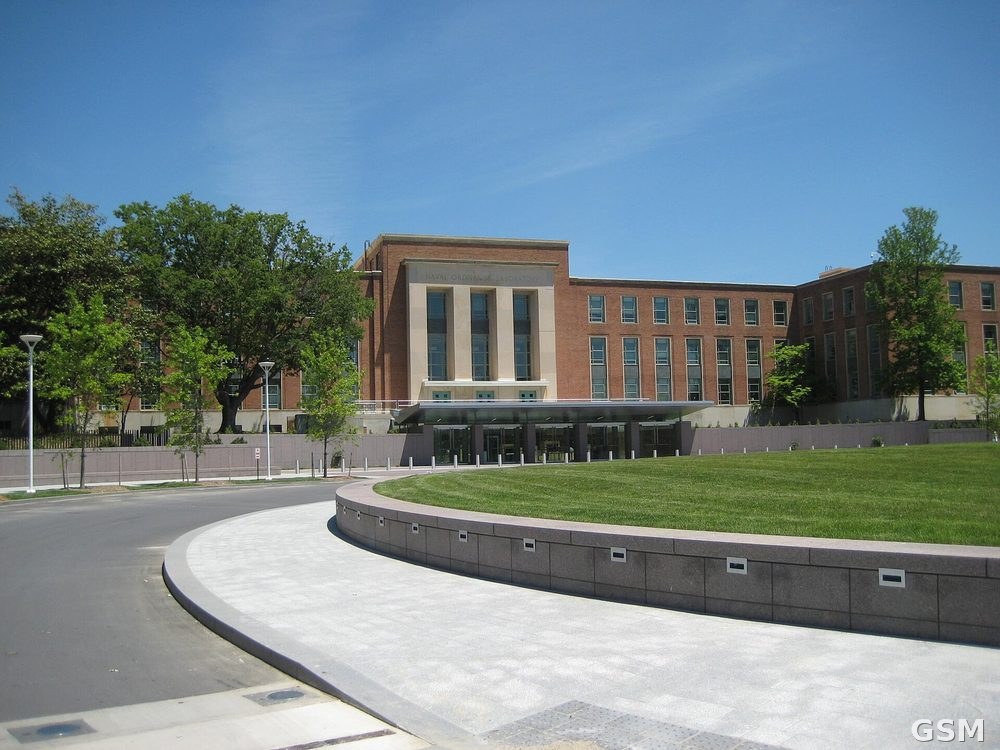
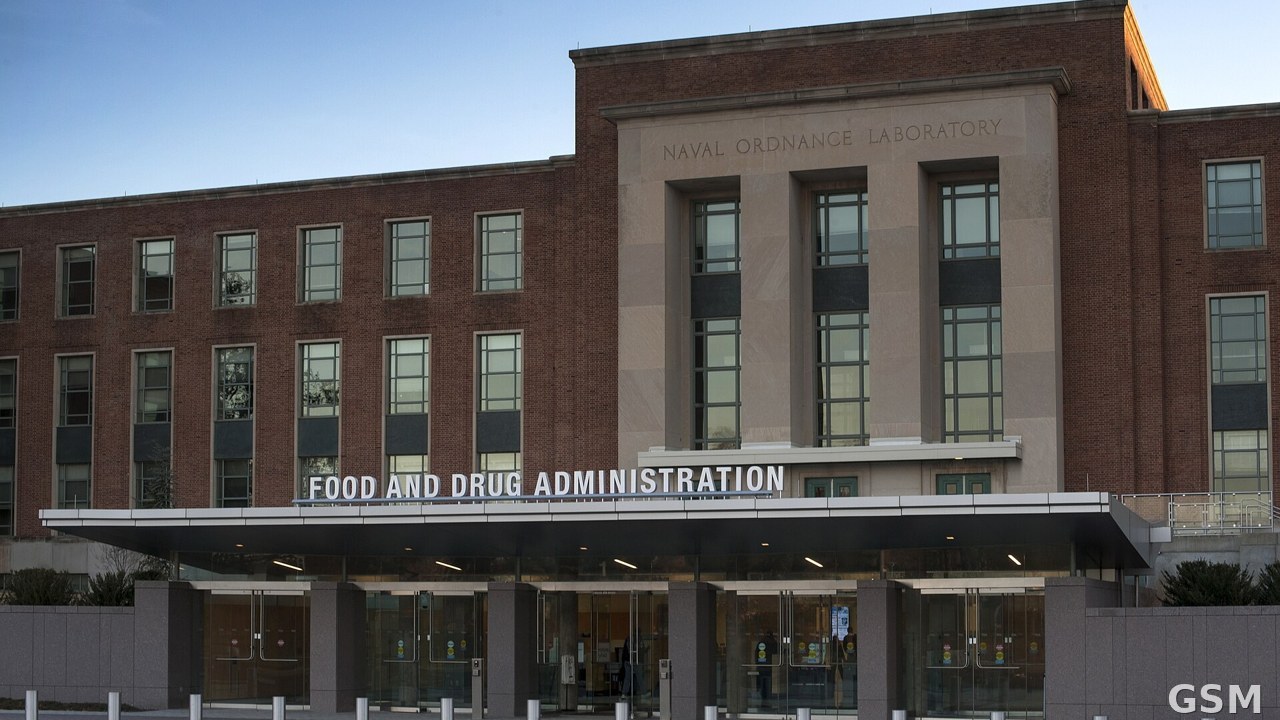
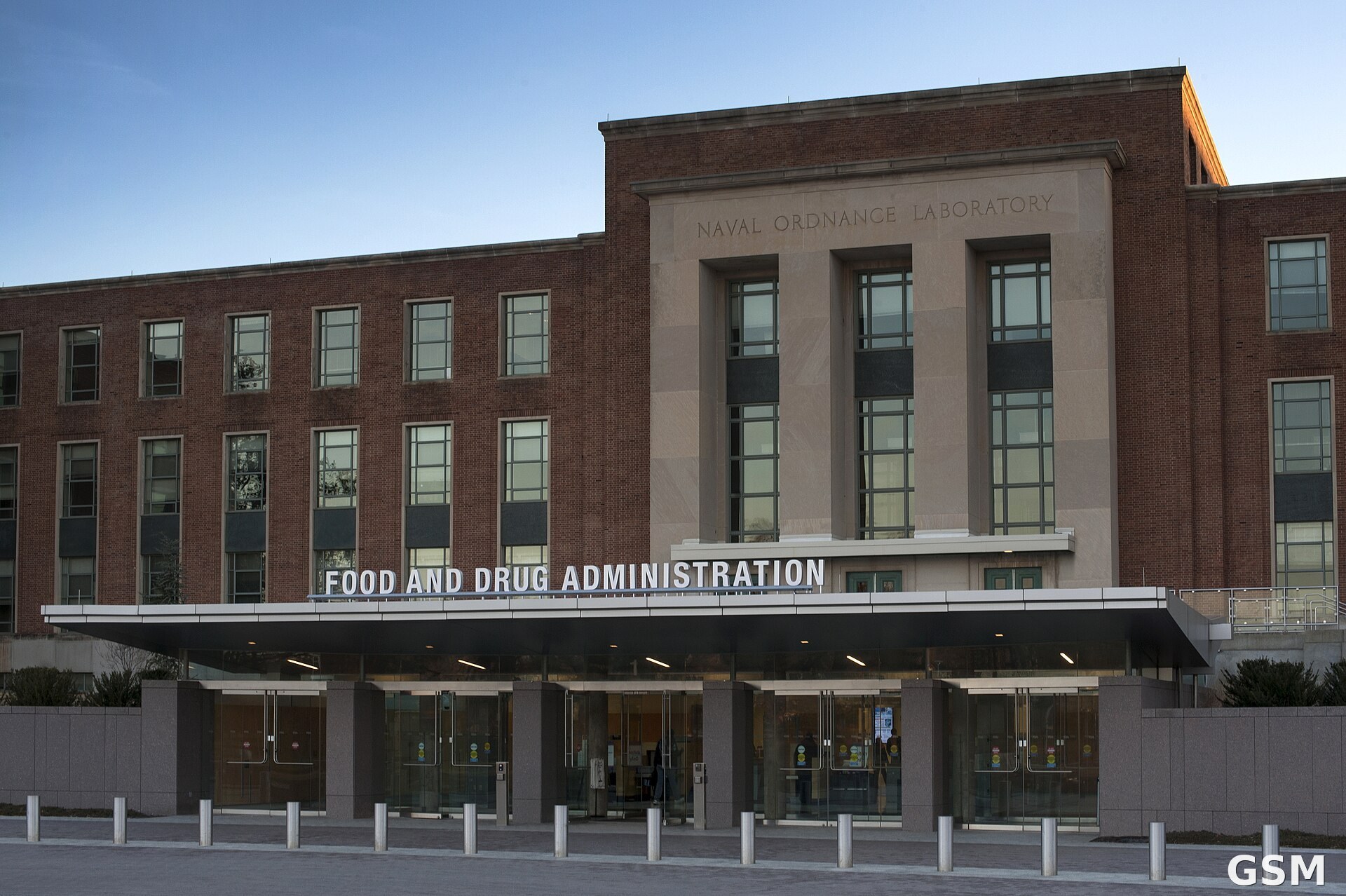
Photo: 图:美国食品药品监管局(FDA)总部大楼(固定图库联邦核心包)。 / Photo: Headquarters of the U.S. Food and Drug Administration (fixed federal-core asset-pack image).