
A Glutamate-Binding Protein Fluorescence Probe Reaches a Detection Limit of 19.70 Micromolar in Artificial Cerebrospinal Fluid, Published in Scientific Reports on November 13
Scientific Reports published a study by Italian and Serbian teams on November 13, 2026 using a glutamate-binding protein as a fluorescence probe for glutamate detection in artificial cerebrospinal fluid, under DOI 10.1038/s41598-026-80347-x. L-glutamate is the primary excitatory neurotransmitter in the mammalian central nervous system. Monitoring its accumulation is critical to track neurodegeneration, since excessive extracellular levels are caused by acute events such as stroke, brain injuries or malignant tumors. The team isolated the glutamate-binding protein GluB from Corynebacterium glutamicum and labeled one of its three cysteine residues with the environment-sensitive fluorescence dye acrylodan. The stability of the labeled protein was assessed through thermal stability experiments, and glutamate binding was investigated by steady-state and time-resolved fluorescence measurements. The results indicate the biosensor can intercept the glutamate concentration values characteristic of acute clinical emergencies and tumor microenvironments before they reach extreme neurotoxic levels. Tested in artificial cerebrospinal fluid through time-resolved fluorescence, the assay showed a detection limit of 19.70 micromolar, a threshold compatible with pathological glutamate concentrations. The authors, including Giovanni Ferrara, Antonio Varriale, Sabato D'Auria and Maria Staiano, are based at Italy's National Research Council Institute of Food Science and the BioSense Institute of the University of Novi Sad in Serbia. The work was funded by the European Union's Know4Nano project under Horizon Europe grant agreement 101159710, and the authors suggest the probe could become a tool for neurobiological research and cellular excitotoxic events.
(Source: Scientific)
Source: Scientific
Published by GSM · USA (original Chinese edition)
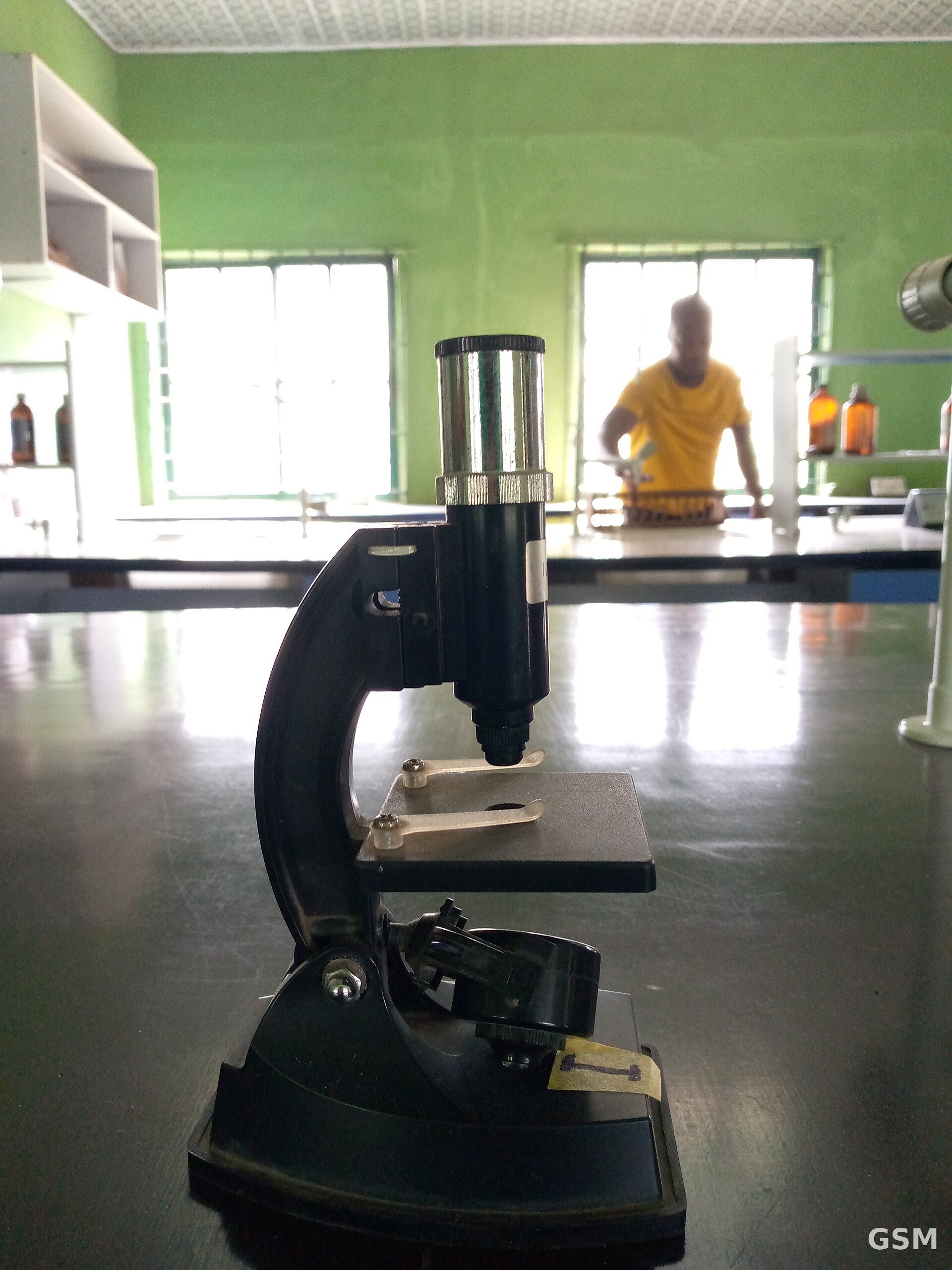
Photo: 图:实验室里的一台显微镜。Jeremyida002,CC BY-SA 4.0,经 Wikimedia Commons。 / Photo: Jeremyida002, CC BY-SA 4.0, via Wikimedia Commons.
 Silicon Carbide Nanomaterials in Disc Brake Pads: 0.5% Loading Raised Average Brake Force by Up to 19%, With Fade Resistance Up to 130°C2026-11-14
 PEBA-PEMA Blend Membrane Separates 1-Butanol With Flux of 0.19 kg/m2/h and Separation Factor of 15.5 at 5 Percent PEMA, Published in Scientific Reports on November 132026-11-14