
Small Island States Aim to Raise About 3 Billion Dollars a Year From Remittances for Climate Resilience, on Flows of About 22 Billion Dollars That Grew 7 Percent a Year From 2010 to 2023
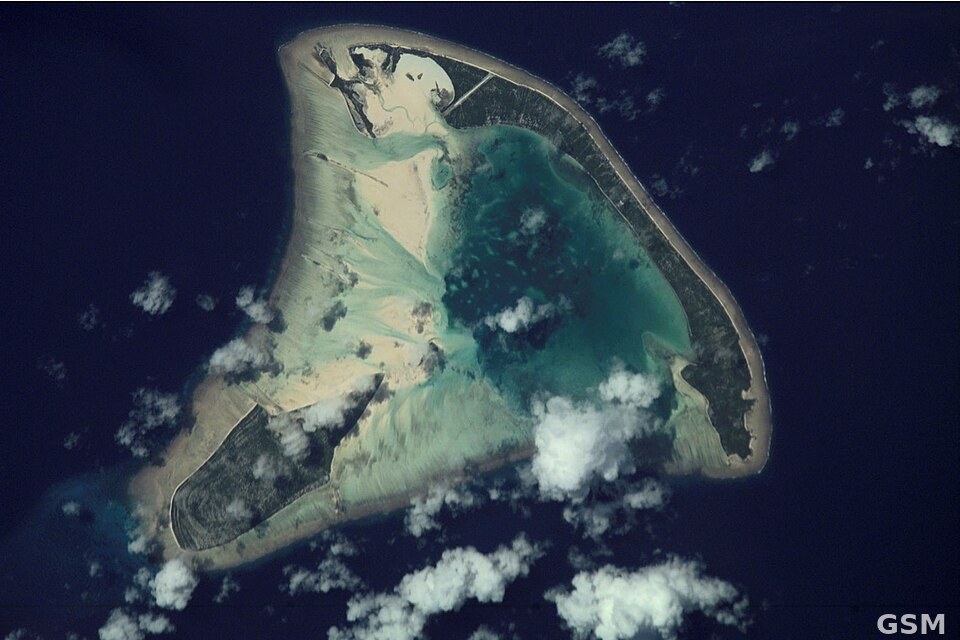
A group of small island states aims to create a fund backed by a charge on money that islanders receive from abroad, to eventually raise around 3 billion dollars a year for projects to make their nations less vulnerable to climate change.
That would exceed the roughly 2 billion dollars in international public adaptation finance they received in 2021 to 2022, according to a 2025 study by the non-profit research group the Climate Policy Initiative.
Country representatives meeting until the end of next week in the Mediterranean city of Antalya in Turkey for COP31 climate talks are trying to agree ways to increase funding for adaptation to a warming world, and representatives of Small Island Developing States have decided they cannot wait for the long-running international debate on financing to deliver more help.
Antigua and Barbuda United Nations ambassador Walton Webson said they decided there had to be a way to guarantee more reliable sources of funding for the islands, that they cannot rely solely on development assistance again, and that they are now trying to create their own.
The platform would charge senders 3 percent per transaction, lower than average costs of around 5 percent to 9 percent across the markets studied, and after costs, 2 to 2.5 percentage points of each transaction would enter the fund, be held as an endowment and invested, seeking base-case returns of 6.5 percent, with 85 percent of the returns spent on resilience measures and the rest held as a disaster reserve.
Total remittances from islanders who have emigrated were around 22 billion dollars and grew at a compound annual rate of 7 percent between 2010 and 2023, according to numbers provided by the Small Island Developing States group, and the plan aims to capture about a third of that total by its tenth year, with a first phase drawing on remittances to the Dominican Republic, Haiti, Jamaica and Guyana in year one, Fiji, Samoa and Tonga in year two, and Comoros, Cabo Verde and Mauritius in year three.
Source: Reuters
Published by GSM · USA (original Chinese edition)
Photo: 图:太平洋小岛屿国家基里巴斯的阿拉努卡环礁(资料图),小岛屿国家正拟以侨汇设立气候韧性基金。NASA,公共领域,经 Wikimedia Commons。 / Photo: Aranuka Atoll in Kiribati, a Pacific small island state (file photo); small island states plan to fund climate resilience with remittances. By NASA, public domain, via Wikimedia Commons.
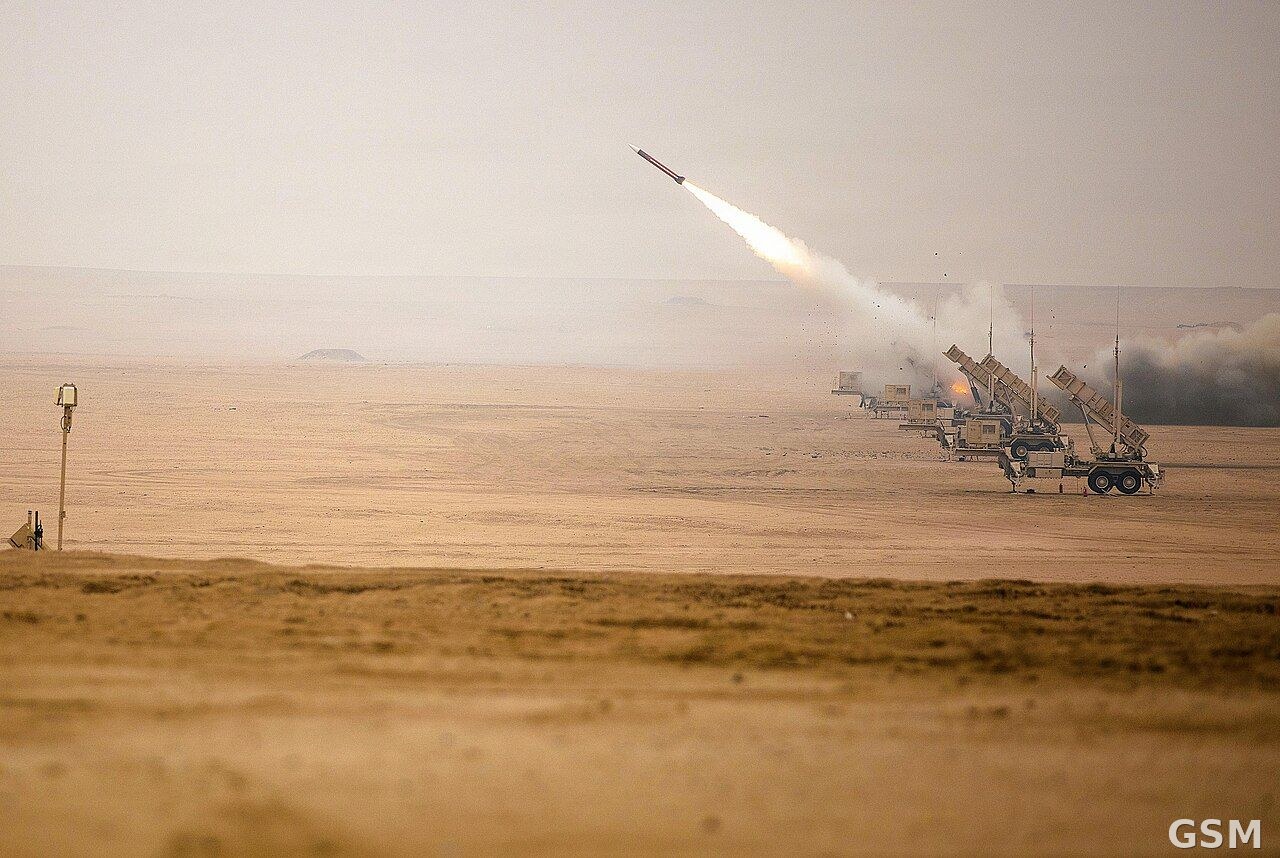 U.S. Central Command Says on November 13 It Shot Down Two Iranian Attack Drones Headed Toward Bahrain, With No Injuries and No Damage, Denying the Revolutionary Guard Claim of a Strike on a U.S. Radar (Follow-Up)2026-11-14
 Foreign Ministry: Ninth China International Import Expo Sets New Records for Exhibitors, Exhibition Area and Intended Turnover2026-11-14