
The Link Between Valgus Knee Alignment and Hallux Valgus Appears Only in a Subgroup of Women With Knee Osteoarthritis: 3,582 Knees and Feet, a Hallux Valgus Prevalence of 29.4 Percent and an Adjusted Odds Ratio of 2.87, Published in Scientific Reports on November 13
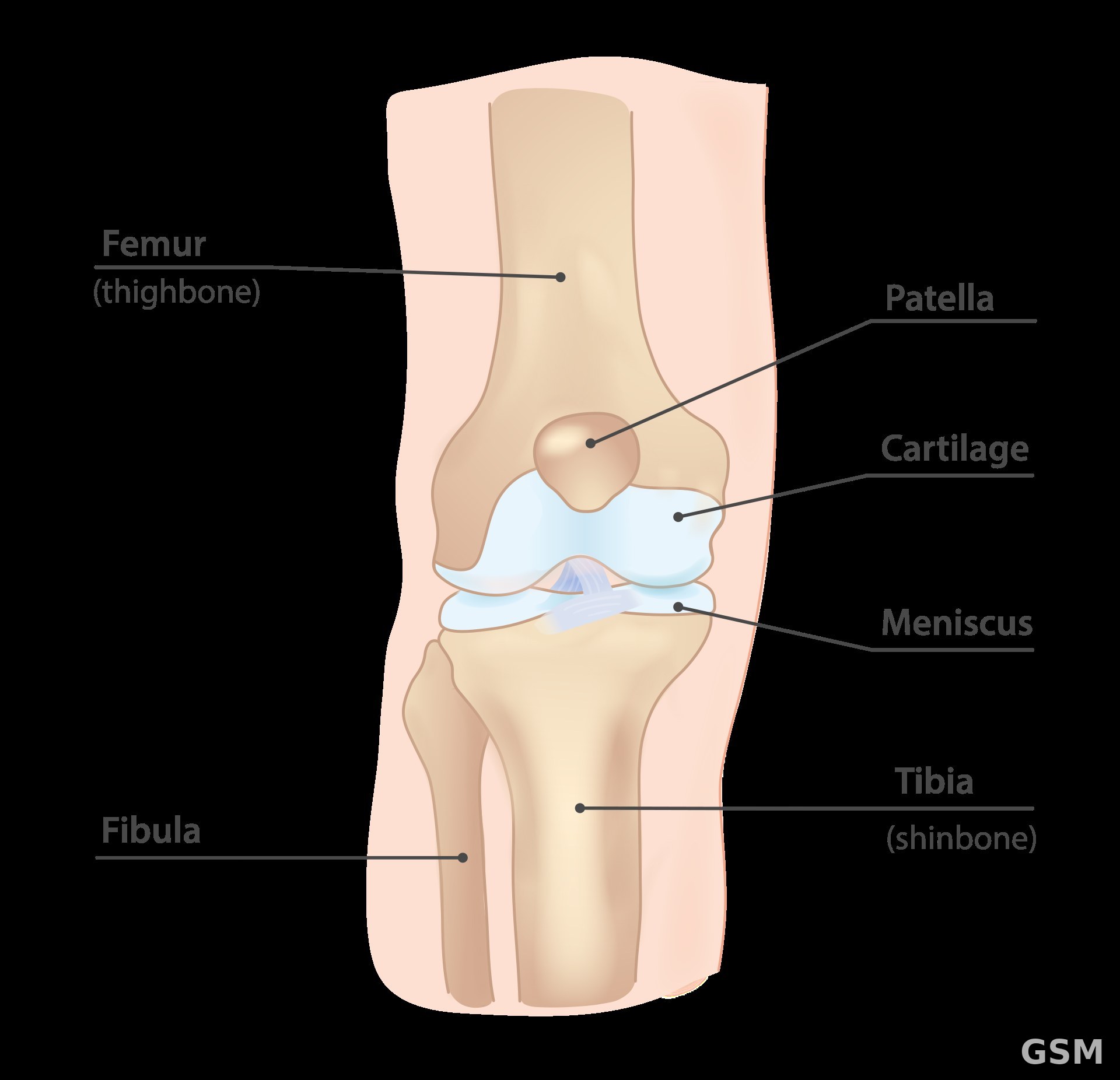
Scientific Reports published a Japanese study on November 13, 2026 examining associations between knee alignment, knee osteoarthritis and the prevalence of hallux valgus and hallux rigidus, under DOI 10.1038/s41598-026-76040-8. Hallux valgus and hallux rigidus are common forefoot deformities, but their relationships with knee osteoarthritis and coronal knee alignment remain incompletely understood. Data were obtained from the fifth survey of the Research on Osteoarthritis and Osteoporosis Against Disability cohort in Japan, known as ROAD. After exclusions, 3,582 knees and feet were analyzed. Knee alignment was classified into varus, neutral and valgus groups using sex-specific femorotibial angle thresholds derived from knees without osteoarthritis, and knee osteoarthritis was defined as Kellgren-Lawrence grade 3 to 4. Hallux valgus prevalence was 29.4 percent and hallux rigidus prevalence was 7.7 percent. In the whole cohort, hallux valgus was associated with neither knee osteoarthritis nor alignment. In an exploratory, hypothesis-generating subgroup analysis among women with knee osteoarthritis, valgus versus neutral alignment was associated with hallux valgus in an adjusted analysis, with an adjusted odds ratio of 2.87, a 95 percent confidence interval from 1.22 to 6.78 and a P value of 0.011, although the formal alignment by osteoarthritis interaction was not significant, at a P value of 0.079. The authors say the finding should therefore be interpreted cautiously. Hallux rigidus was not independently associated with knee osteoarthritis or knee alignment after multivariable adjustment. The paper, by Rikyo Kuhara, Takumi Matsumoto and co-authors, was received on June 4, 2026 and accepted on October 12, 2026.
(Source: Scientific)
Source: Scientific
Published by GSM · USA (original Chinese edition)
Photo: 图:膝关节的解剖结构示意图。InjuryMap,CC BY-SA 4.0,经 Wikimedia Commons。 / Photo: InjuryMap, CC BY-SA 4.0, via Wikimedia Commons.
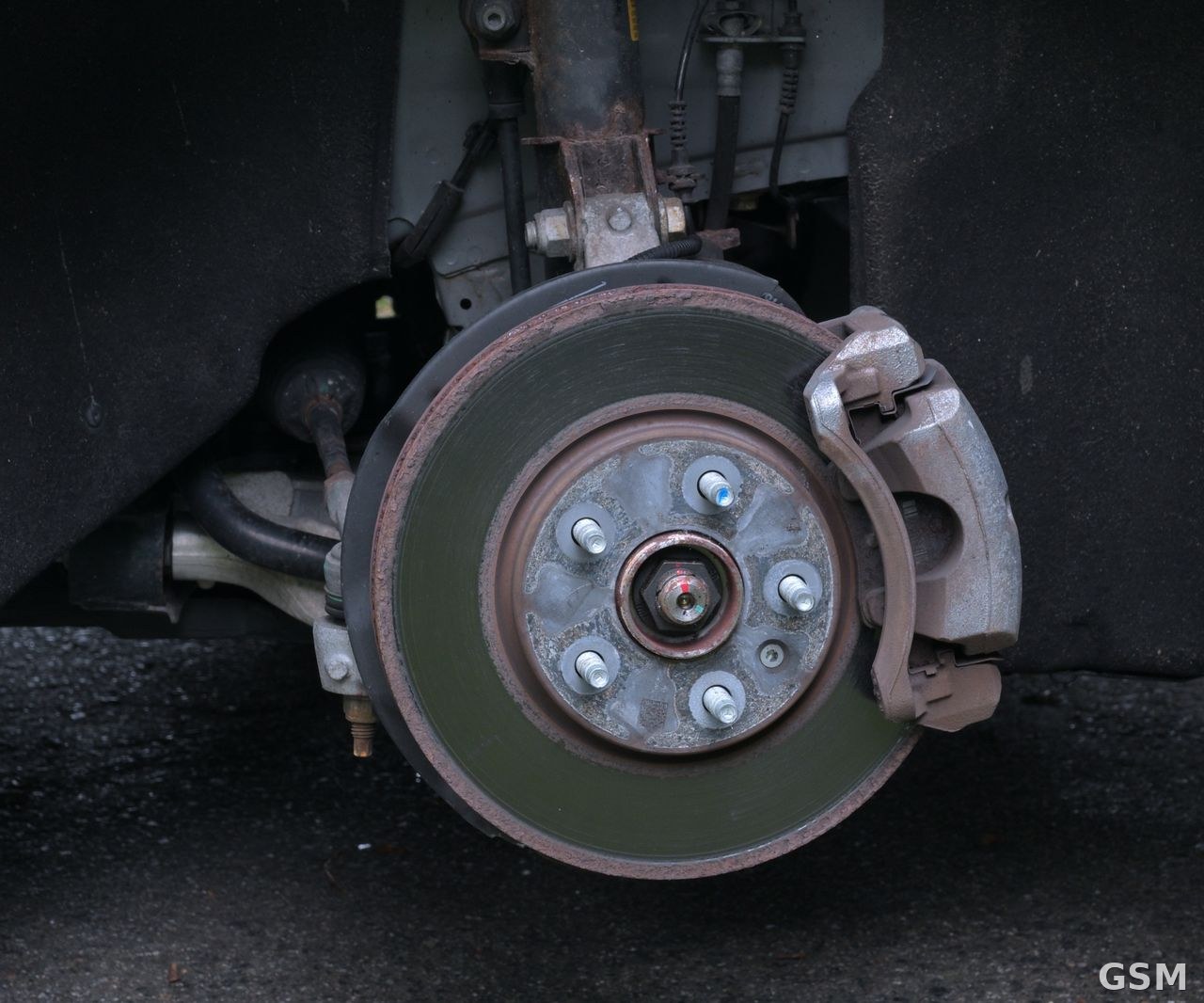 Silicon Carbide Nanomaterials in Disc Brake Pads: 0.5% Loading Raised Average Brake Force by Up to 19%, With Fade Resistance Up to 130°C2026-11-14
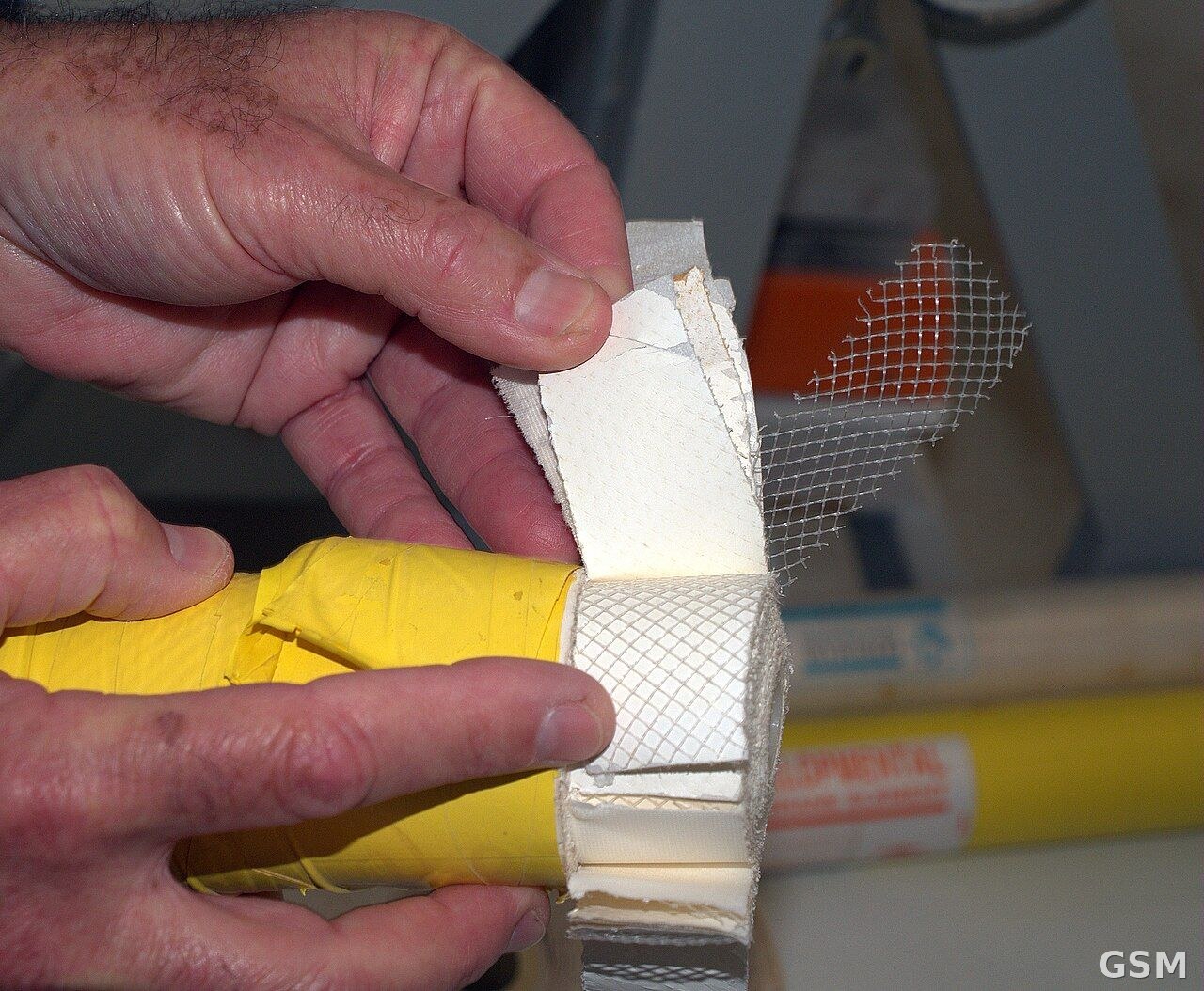 PEBA-PEMA Blend Membrane Separates 1-Butanol With Flux of 0.19 kg/m2/h and Separation Factor of 15.5 at 5 Percent PEMA, Published in Scientific Reports on November 132026-11-14