DHS Completes Fourth Counter-Drone Evaluation: 11 Vendors Tested Over Two Weeks in Oklahoma
The U.S. Department of Homeland Security's Science and Technology Directorate (S&T) announced on November 13 that it has completed a rigorous two-week evaluation of counter-drone technologies in Stringtown, Oklahoma, where the fourth annual Kinetic IV test, held November 3-13, assessed systems from 11 commercial vendors, with the data to inform federal procurement strategies.
The test was held for the first time at the Choctaw Nation of Oklahoma Emerging Aviation Technology Center, an FAA-designated UAS testbed. The technologies evaluated fell into three categories: kinetic interceptors designed to collide with or capture targets, entanglement systems that deploy nets to capture or ensnare drone rotors, and directed-energy weapons capable of disabling drone electronics to neutralize single threats or multi-drone swarms.
Technical experts from across government, industry and international partners evaluated the vendors on system effectiveness, reliability, operational suitability, setup time, ease of deployment and collateral effects. International partners also shared operational insights and discussed collaborative test and evaluation frameworks.
Secretary of Homeland Security Markwayne Mullin said protecting the homeland requires strong partnerships and a shared commitment to innovation, and that DHS is working with state, local, tribal and territorial partners, industry and international allies to evaluate technologies that can address the evolving threat posed by unmanned systems.
Pedro Allende, Under Secretary for Science and Technology, said the rapid proliferation and technological evolution of unmanned systems demand continuously adapting defensive capabilities, and that S&T provides a rigorous environment for evaluating promising technologies against DHS operational needs. Acting FAA Deputy Administrator Liam McKenna said testing like this lets the FAA and its federal partners evaluate counter-drone technologies in a real-world environment while identifying potential impacts to the National Airspace System.
S&T said this was the fourth consecutive year of the test series, building on lessons from prior activities, and that it will help inform DHS planning for future security needs, including major national events.
(Source: U.S. Department of Homeland Security)
Source: U.S. Department of Homeland Security
Published by GSM · USA (original Chinese edition)
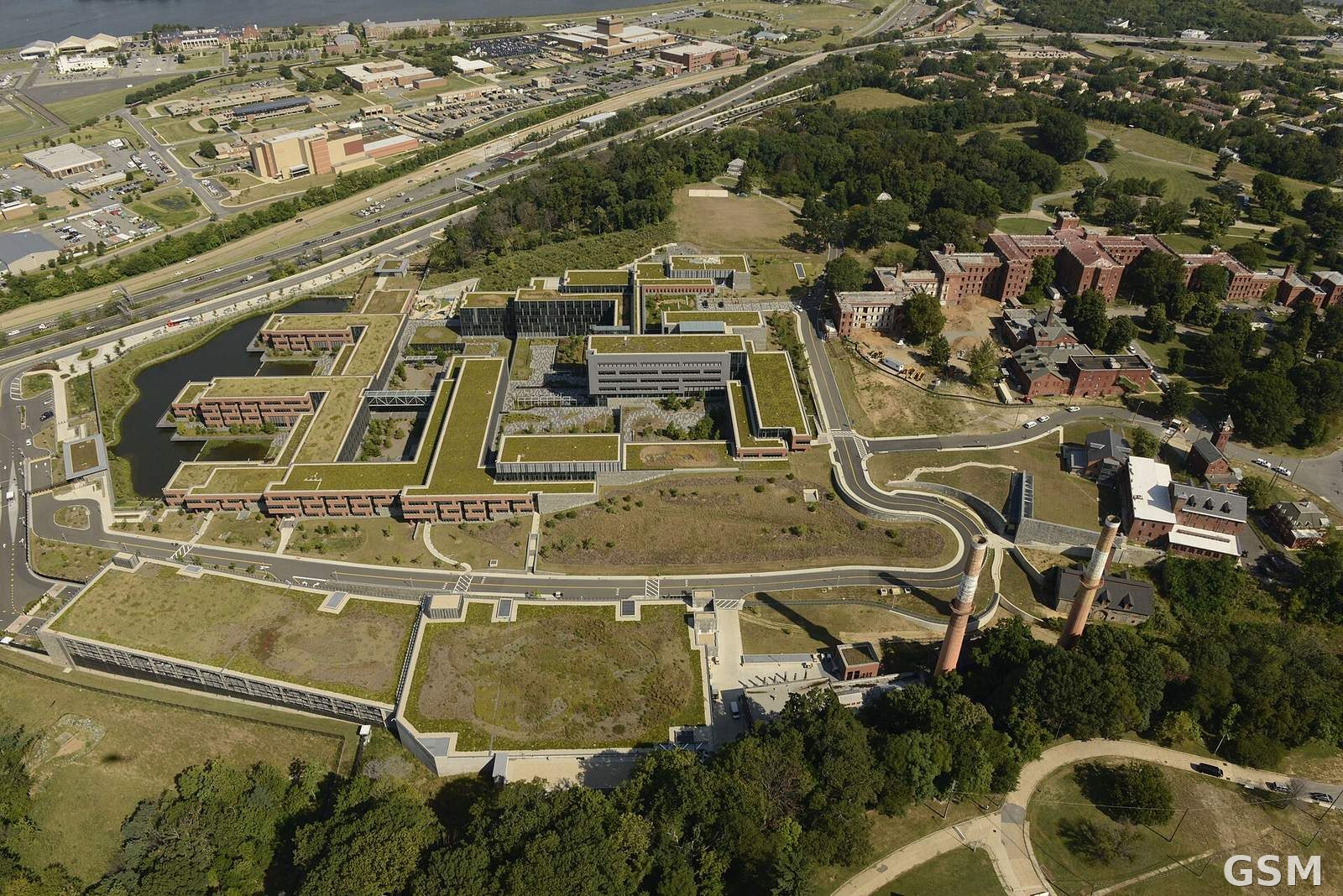
Photo: 图:美国国土安全部总部大楼航拍。照片:美国海岸警卫队,公共领域,经 Wikimedia Commons。 / Aerial view of U.S. Department of Homeland Security headquarters. Photo: U.S. Coast Guard, public domain, via Wikimedia Commons.