SS United States Reef Follow-Up: FWC Details Security Operation, 65 Personnel Over Three Days and No Incidents Among Hundreds of Spectator Boats
After the historic ocean liner SS United States went down on November 11 about 22 miles off Destin, Florida, to become the world's largest artificial reef, the Florida Fish and Wildlife Conservation Commission (FWC) on November 13 detailed the security work its Division of Law Enforcement carried out during the sinking operation.
The operation was a collaborative effort involving Okaloosa County, the U.S. Coast Guard, the Florida Department of Law Enforcement (FDLE) and other partners, including marine units from Alabama, Louisiana and Texas. Colonel Alberto Maza, FWC Division of Law Enforcement Commander, said FWC was honored to be part of the historic effort while strengthening partnerships with local, state and federal agencies.
Major Robby Creech, FWC Northwest Regional Commander, said the project had been more than a year in the making and praised the team on the water on November 11, along with the support from the three neighboring states.
According to FWC, Northwest Region Lt. Jarrod Molnar led planning for security and law enforcement support after the vessel arrived in Mobile, Alabama, in late 2024, covering safety and security zones, spectator vessels, emergency medical and dive response, and overnight security beginning 72 hours before the sinking. Beginning with the transport of the vessel on November 9, FWC deployed 65 personnel and assets through the conclusion on November 11. Despite hundreds of vessels arriving and departing to witness the event, there were no reported injuries or significant boating incidents.
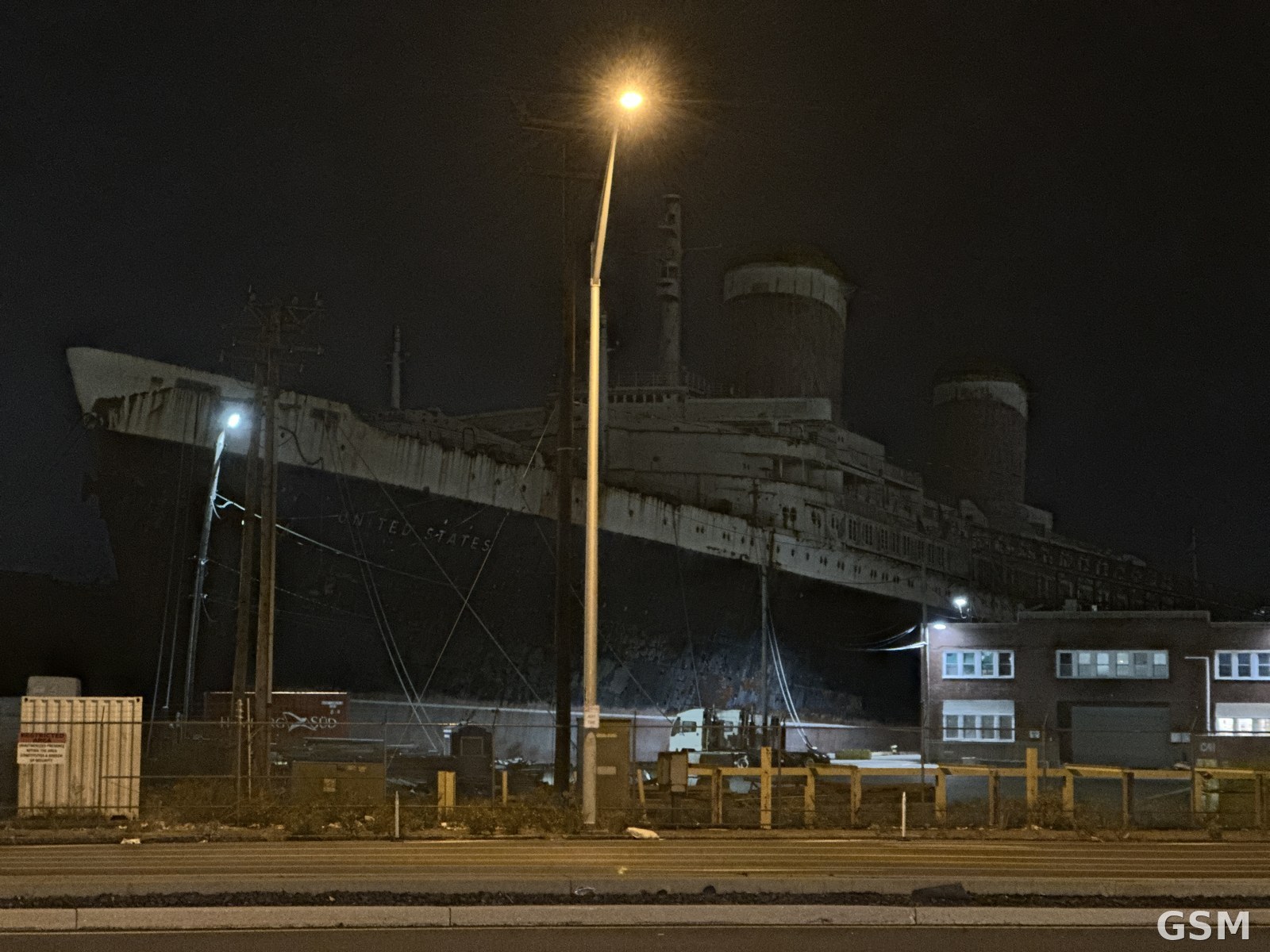
The SS United States measures 990 feet long, with a 101.5-foot beam and a 32.4-foot draft. Launched in 1952, she became the fastest ocean liner in the world, a record she still holds after crossing the Atlantic in 3 days and 10 hours. Designed to serve as both a luxury passenger ship and a potential military transport, she was decommissioned in 1969 and was towed more than 1,600 miles to Mobile in late 2024 for the final preparations to become an artificial reef.
FWC said the reef will provide structural habitat in an area where natural reef structure is relatively limited, becoming colonized by algae, sponges, corals and barnacles that attract baitfish and in turn support species such as snapper and grouper, while supporting Northwest Florida's fishing, diving and tourism industries. As of October 2026, the FWC Artificial Reef Program had recorded more than 4,675 artificial reef deployment locations statewide.
(Source: Florida Fish and Wildlife Conservation Commission)
Related: SS United States Sinks Off Florida to Become World's Largest Artificial Reef
Source: Florida Fish and Wildlife Conservation Commission
Published by GSM · USA (original Chinese edition)
Photo: 图:停泊中的历史邮轮 SS United States 号(2024年摄)。Marisauna 摄,CC BY 4.0,经 Wikimedia Commons。 / Photo: The historic liner SS United States in 2024, by Marisauna, CC BY 4.0, via Wikimedia Commons.
- 2026-11-11Follow-Up: Flooding Begins to Sink SS United States off Florida as It Becomes the World's Largest Artificial Reef
- 2026-11-11Follow-Up: All Valves Open and Crew Off, SS United States Begins Final Descent Off Florida
- 2026-11-11Follow-Up: SS United States Sinks Off Florida to Become the World's Largest Artificial Reef
- 2026-11-12SS United States Sinking Follow Up: Okaloosa County Lifted the Safety Zone on November 12, Sonar and a Remotely Operated Vehicle Confirmed She Landed Upright, and the First Divers Have Photographed Her
- 2026-11-13SS United States Reef Follow-Up: FWC Details Security Operation, 65 Personnel Over Three Days and No Incidents Among Hundreds of Spectator BoatsThis story