
Exogenous Melatonin Eases Cadmium Damage in Peppermint: At the Highest Cadmium Level, 150 Micromolar Melatonin Raised Shoot Dry Weight by 115.20 Percent in Scientific Reports, Published November 13
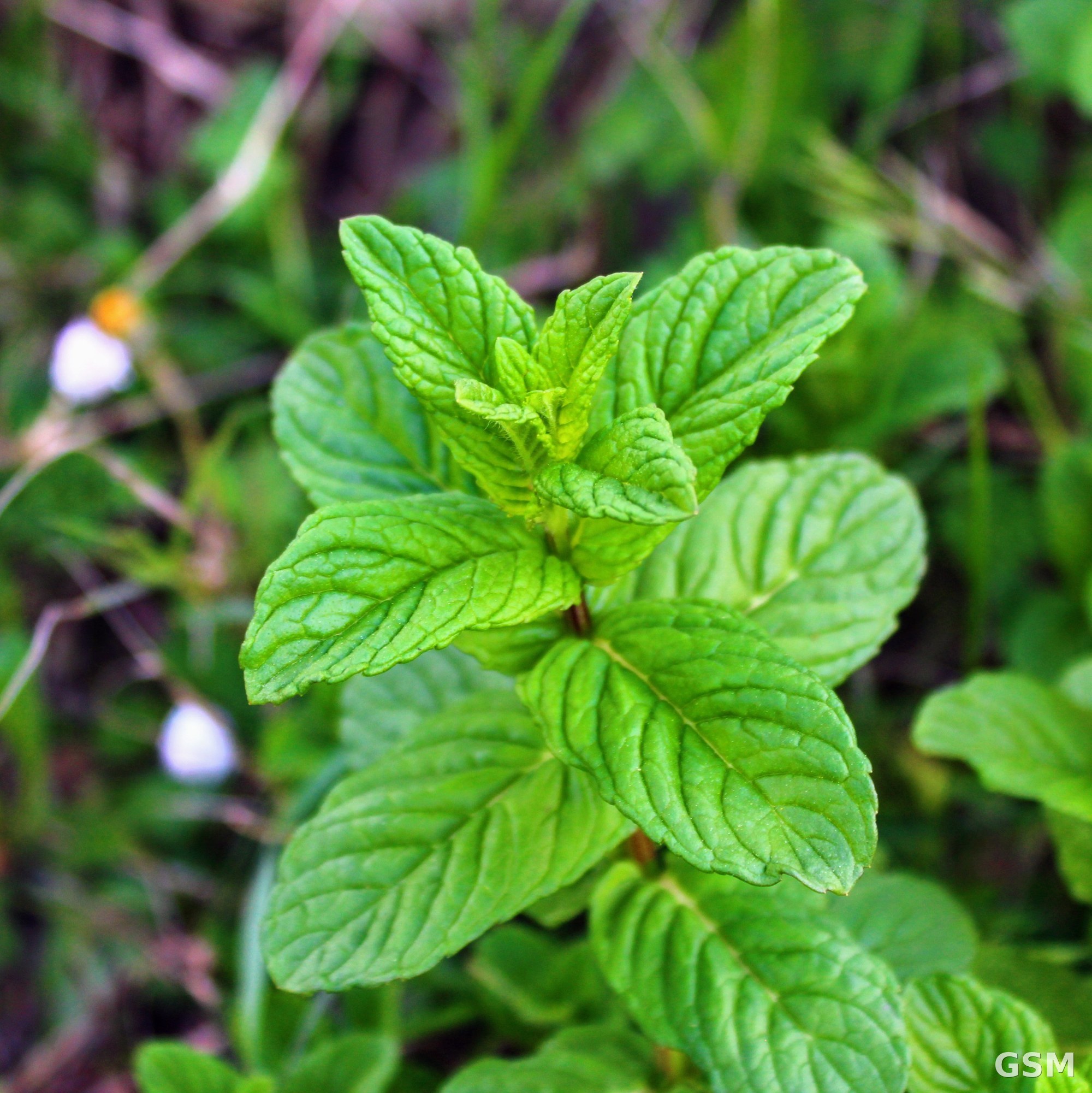
Scientific Reports published a study of exogenous melatonin in peppermint under cadmium stress on November 13, 2026. The paper, by Shamsabadi, Moradi, Mirzaei and co-authors, carries digital object identifier 10.1038/s41598-026-79494-y, was received on September 6, 2026 and accepted on October 31, 2026. The factorial experiment, based on a completely randomized design with three replications, used three cadmium chloride treatments of 0, 75 and 150 milligrams per litre and three melatonin levels of 0, 75 and 150 micromolar. Cadmium chloride was supplied through irrigation water, whereas melatonin was applied foliarly. Increasing cadmium stress progressively reduced shoot dry weight by 27.64 to 46.64 percent, essential oil percentage by 20.32 to 36.36 percent and plant height by 31.70 to 43.16 percent, while raising leaf cadmium concentration. Melatonin at 75 and 150 micromolar significantly alleviated these effects, increasing shoot dry weight by 67.98 to 96.84 percent and essential oil percentage by 60.78 to 85.29 percent. Under the highest cadmium chloride concentration of 150 milligrams per litre, foliar application of 150 micromolar melatonin increased shoot dry weight and essential oil percentage by 115.20 percent and 111.43 percent, respectively, compared with the corresponding treatment without melatonin. The cadmium by melatonin interaction was significant for shoot dry weight, essential oil percentage, plant height and water use efficiency, among other traits.
(Source: Scientific)
Source: Scientific
Published by GSM · USA (original Chinese edition)
Photo: 图:一株薄荷的植株与叶片。Kızıl,CC BY-SA 4.0,经 Wikimedia Commons。 / Photo: Kızıl, CC BY-SA 4.0, via Wikimedia Commons.
 Silicon Carbide Nanomaterials in Disc Brake Pads: 0.5% Loading Raised Average Brake Force by Up to 19%, With Fade Resistance Up to 130°C2026-11-14
 PEBA-PEMA Blend Membrane Separates 1-Butanol With Flux of 0.19 kg/m2/h and Separation Factor of 15.5 at 5 Percent PEMA, Published in Scientific Reports on November 132026-11-14