
Progress Inc. Launches Its Neuromorphic Technology PANC on November 13: It Recognizes and Classifies Through Associative Comparison Libraries, From a Company Founded in Michigan in 2013
Progress Inc., a private artificial intelligence research and intellectual property company founded in Michigan in 2013, announced in West Bloomfield Township, Michigan on November 13, 2026 the launch of the Progress Associative Neuromorphic Comparator, known as PANC, a proprietary neuromorphic technology designed to compare, recognize, classify and analyze images, charts, tables, text and other forms of data through structured associative comparison libraries. Unlike conventional artificial intelligence systems that depend on deep neural networks and computationally intensive training, PANC organizes knowledge in associative comparison libraries and generates similarity coefficients between new data and previously stored examples. The company says the architecture supports recognition, classification, clustering, generalization, approximation, interpolation and extrapolation. Building a recognition library does not require deep learning. The training process is reduced to two steps, converting information from virtually any document or graphical format into the proprietary BCF platform format, and then combining selected files into organized comparison libraries. Existing libraries can be updated or expanded without retraining the entire system. The company also stresses transparency. The comparison process, recognition logic and classification pathways are accessible for inspection and analysis, and because PANC relies on deterministic comparison processes rather than probabilistic model behavior, it produces reproducible results across repeated runs and different computing environments. The company says the framework supports auditing, human oversight and decision traceability. Vladimir Proseanic, chief executive of Progress Inc., said PANC is built on the principle that comparison lies at the heart of intelligence, and is founded on a new artificial neuron design and comparator architecture. The company says it has evaluated PANC in human and object recognition and classification, medical diagnostics, business analytics and decision support, weld defect detection and quality inspection, and that the platform is optimized for standard computing hardware from embedded devices and edge systems to enterprise servers.
(Source: Progress Inc)
Source: Progress Inc
Published by GSM · USA (original Chinese edition)
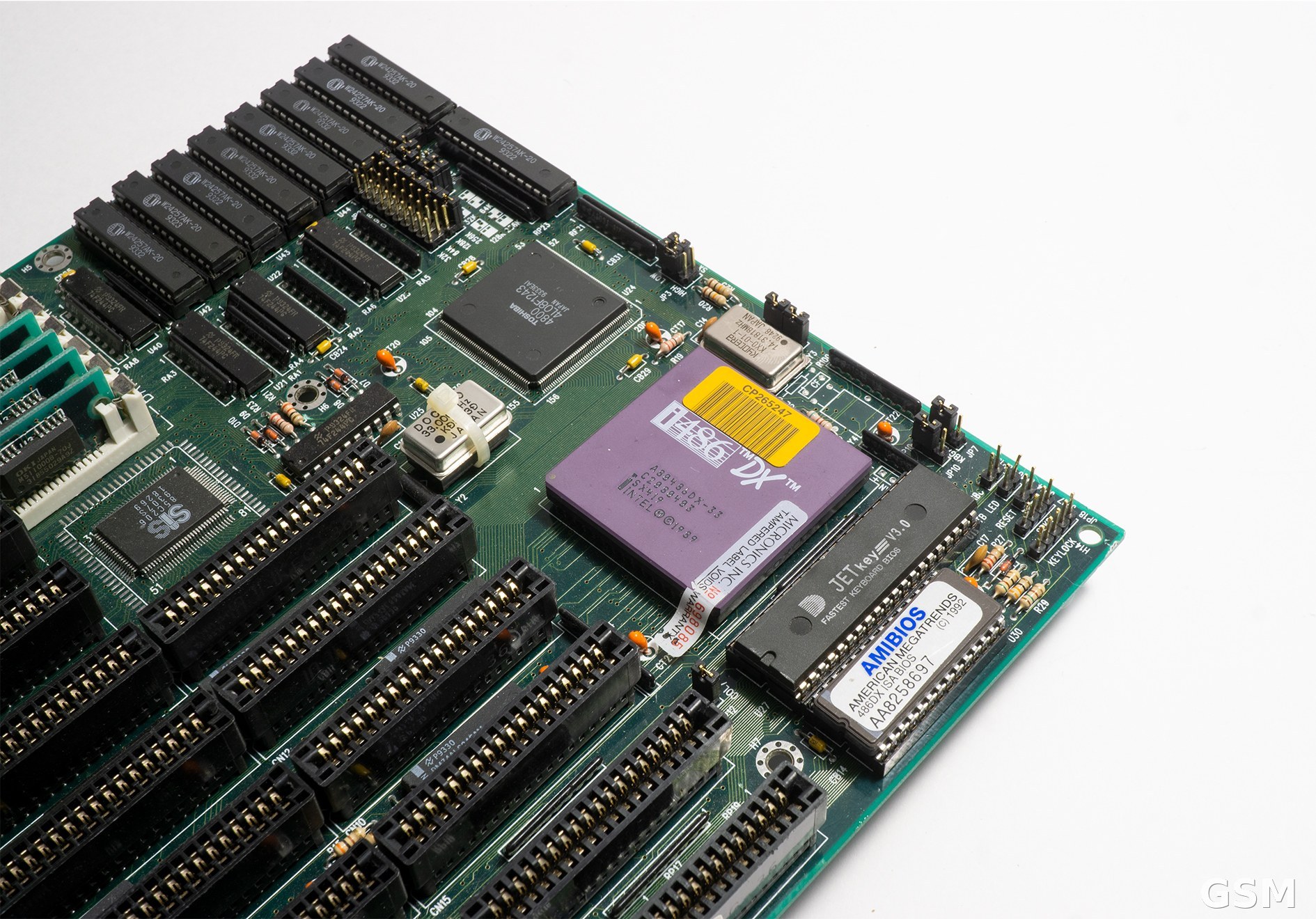
Photo: 图:主板上的中央处理器芯片特写。Capitalistcakes,CC0,经 Wikimedia Commons。 / Photo: Capitalistcakes, CC0, via Wikimedia Commons.
 Silicon Carbide Nanomaterials in Disc Brake Pads: 0.5% Loading Raised Average Brake Force by Up to 19%, With Fade Resistance Up to 130°C2026-11-14
 PEBA-PEMA Blend Membrane Separates 1-Butanol With Flux of 0.19 kg/m2/h and Separation Factor of 15.5 at 5 Percent PEMA, Published in Scientific Reports on November 132026-11-14