
Pumpkin Flesh Waste Flour at Up to 5 Percent Matches the Control Loaf: At 20 Percent the Loaf Volume Fell 36 Percent and Sensory Scores Dropped From 10 Percent in Scientific Reports, Published November 13
Scientific Reports published a study of pumpkin flesh waste flour in bread production on November 13, 2026. The paper, by Türkoğlu and Gerçekaslan, carries digital object identifier 10.1038/s41598-026-72266-8, was received on March 10, 2026 and accepted on September 15, 2026. The pumpkin flesh came from pumpkins cultivated for seed production. The study aimed to determine the maximum substitution level achievable without compromising the bread's technological performance and consumer acceptability, rather than to affirm nutritional superiority. Bread was made at substitution levels of 2.5, 5, 10 and 20 percent, and physical, textural and sensory attributes were evaluated, including crumb texture changes during five-day storage. The substitution level significantly affected all measured bread properties. Loaf volume and specific volume did not differ significantly between the control and the 2.5 percent bread. Both decreased progressively from 5 percent onward, reaching reductions of 36 percent, from 397.83 to 254.17 millilitres, and 37 percent, from 3.04 to 1.91 millilitres per gram, at 20 percent. Loaf weight was lowest at 5 percent, at 129.87 grams, and highest at 20 percent, at 134.53 grams. Sensory scores did not differ significantly between the control and substitution levels up to 5 percent, whereas 10 and 20 percent significantly reduced crust and crumb colour, porosity, taste-aroma, odour and overall acceptability. The authors conclude that up to 5 percent substitution produced bread comparable to the control, and that pumpkin flesh discarded during seed pumpkin processing can be valorized as a bread ingredient at moderate levels, while confirming its nutritional and functional benefits will require compositional analyses of the baked product. The research was supported by Nevşehir Hacı Bektaş Veli University Scientific Research Projects Coordination Unit under project ABAP21F5.
(Source: Scientific)
Source: Scientific
Published by GSM · USA (original Chinese edition)
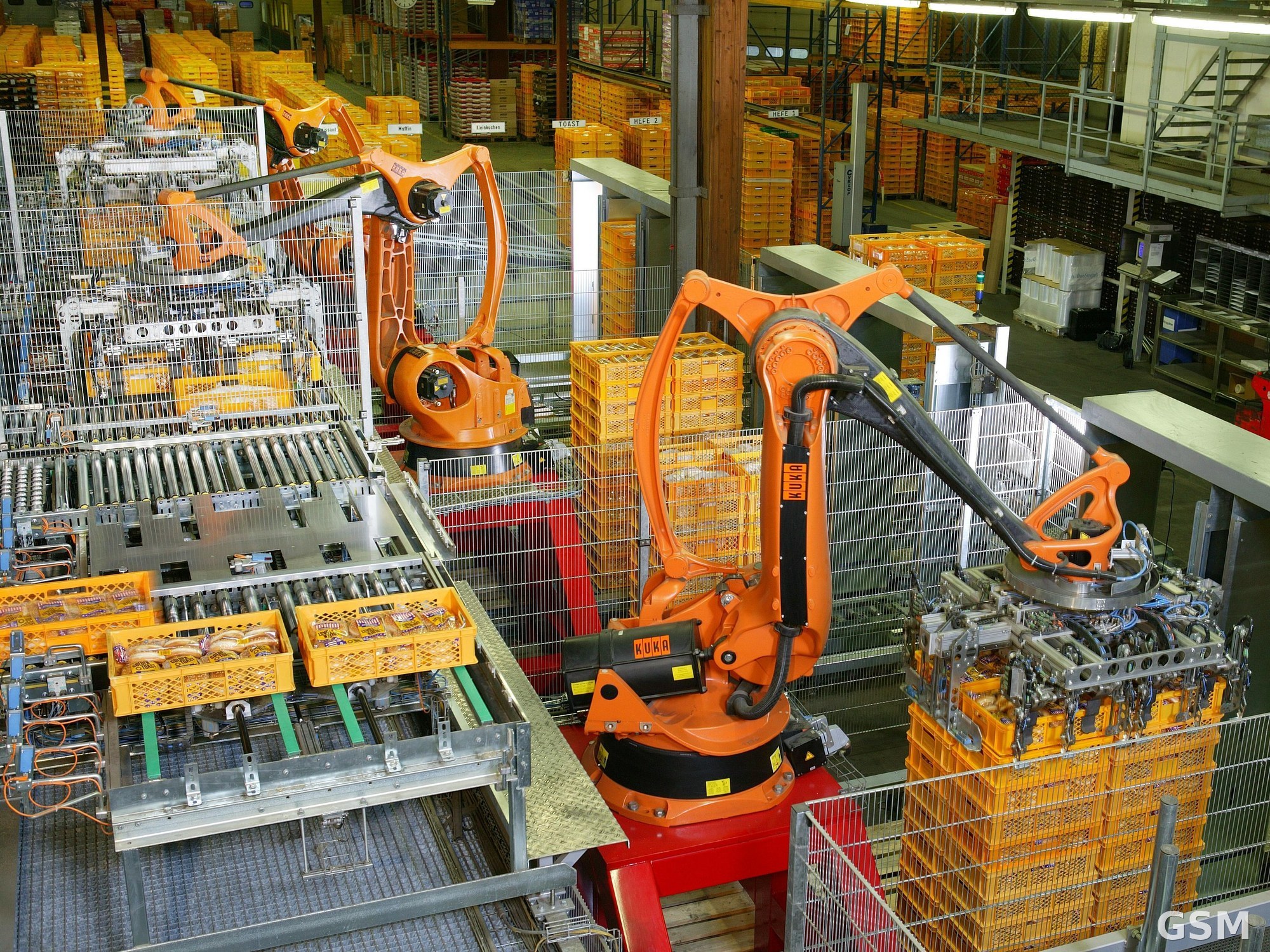
Photo: 图:工厂里一台机械臂正在码垛面包。KUKA Roboter GmbH,公共领域,经 Wikimedia Commons。 / Photo: KUKA Roboter GmbH, public domain, via Wikimedia Commons.
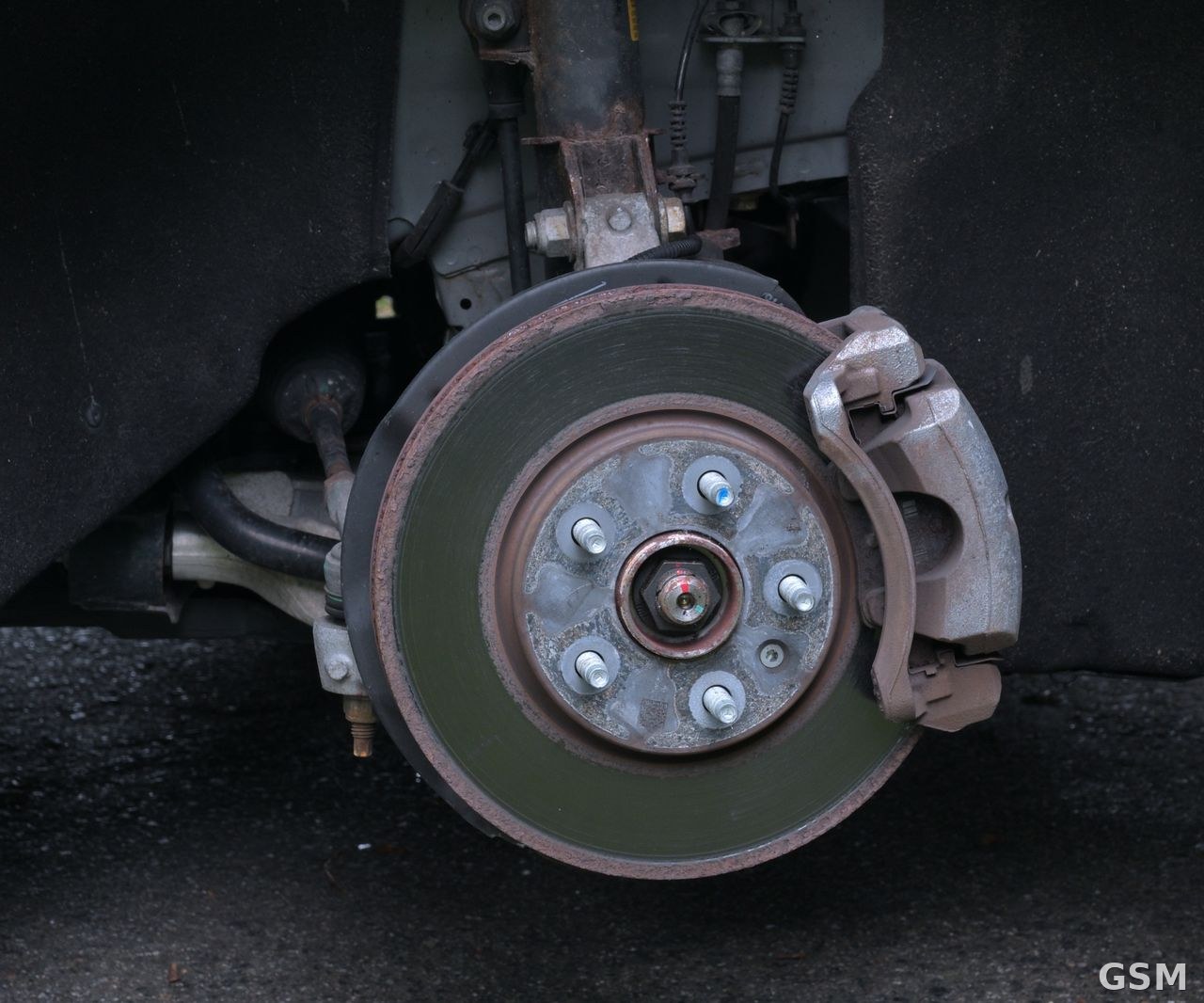 Silicon Carbide Nanomaterials in Disc Brake Pads: 0.5% Loading Raised Average Brake Force by Up to 19%, With Fade Resistance Up to 130°C2026-11-14
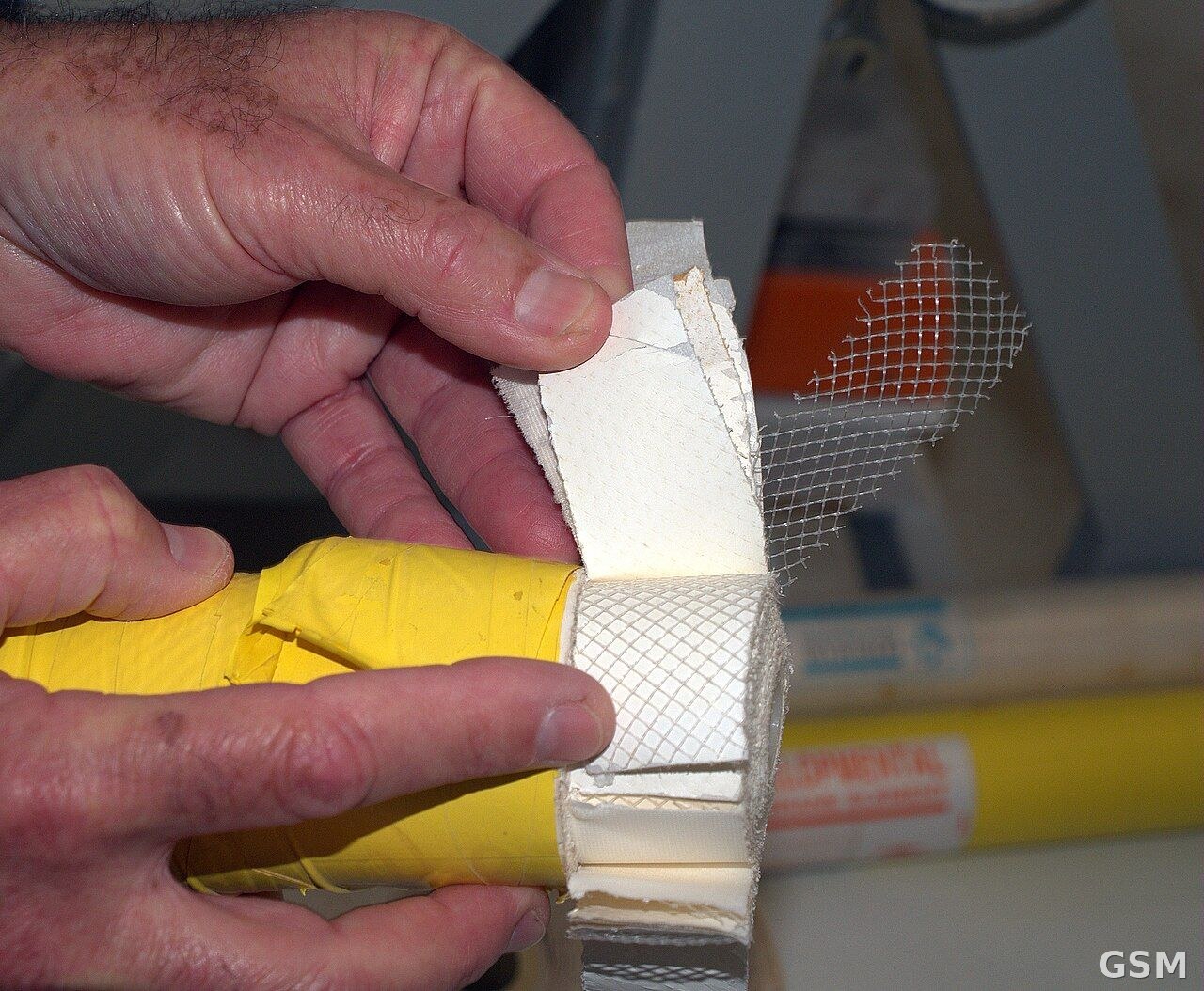 PEBA-PEMA Blend Membrane Separates 1-Butanol With Flux of 0.19 kg/m2/h and Separation Factor of 15.5 at 5 Percent PEMA, Published in Scientific Reports on November 132026-11-14