
Pupil Baseline Trends on About 10-Second Timescales Track Near-Term Task Performance: an About 8-Second Component Held Up Across Two Analysis Pipelines, Published in Scientific Reports on November 13
Scientific Reports published a Japanese study on November 13, 2026 finding that pupil baseline trends on about 10-second timescales track near-term task performance, under DOI 10.1038/s41598-026-73046-0. Human task performance fluctuates on infraslow timescales, including a putative about 20-second cycle of task-positive and default-mode switching, yet a continuously computable biomarker has remained scarce. Task-evoked pupil dilation tracks momentary facilitation of performance, but links between slow baseline dynamics and performance have been inconsistent. Because prior research used demanding vigilance and working memory tasks, the team tested whether upward 10-second baseline trends were associated with faster responses in a relatively simple, low-error go and no-go task. Baseline pupil trends were quantified as slope-like changes at predefined timescales using two independent pipelines, moving-average smoothing and wavelet-based scale isolation. Upward trends were associated with faster responses across several smoothing windows including 10 seconds, while the scale-isolated analysis identified the prespecified about 8-second dyadic component. Downward trends were linked to slower responses. The associations were supported by the strictly pre-target 10-second precursor and by trial-level analysis of the about 8-second component controlling for canonical pupil and behavior covariates. The authors are based at NTT Communication Science Laboratories, NTT Access Network Service Systems Laboratories and Kyoto University, with correspondence to Jumpei Yamashita. They say timescale-specific pupil dynamics may provide a continuously computable index of local fluctuations in near-term task performance, with potential utility for monitoring in ecologically valid settings.
(Source: Scientific)
Source: Scientific
Published by GSM · USA (original Chinese edition)
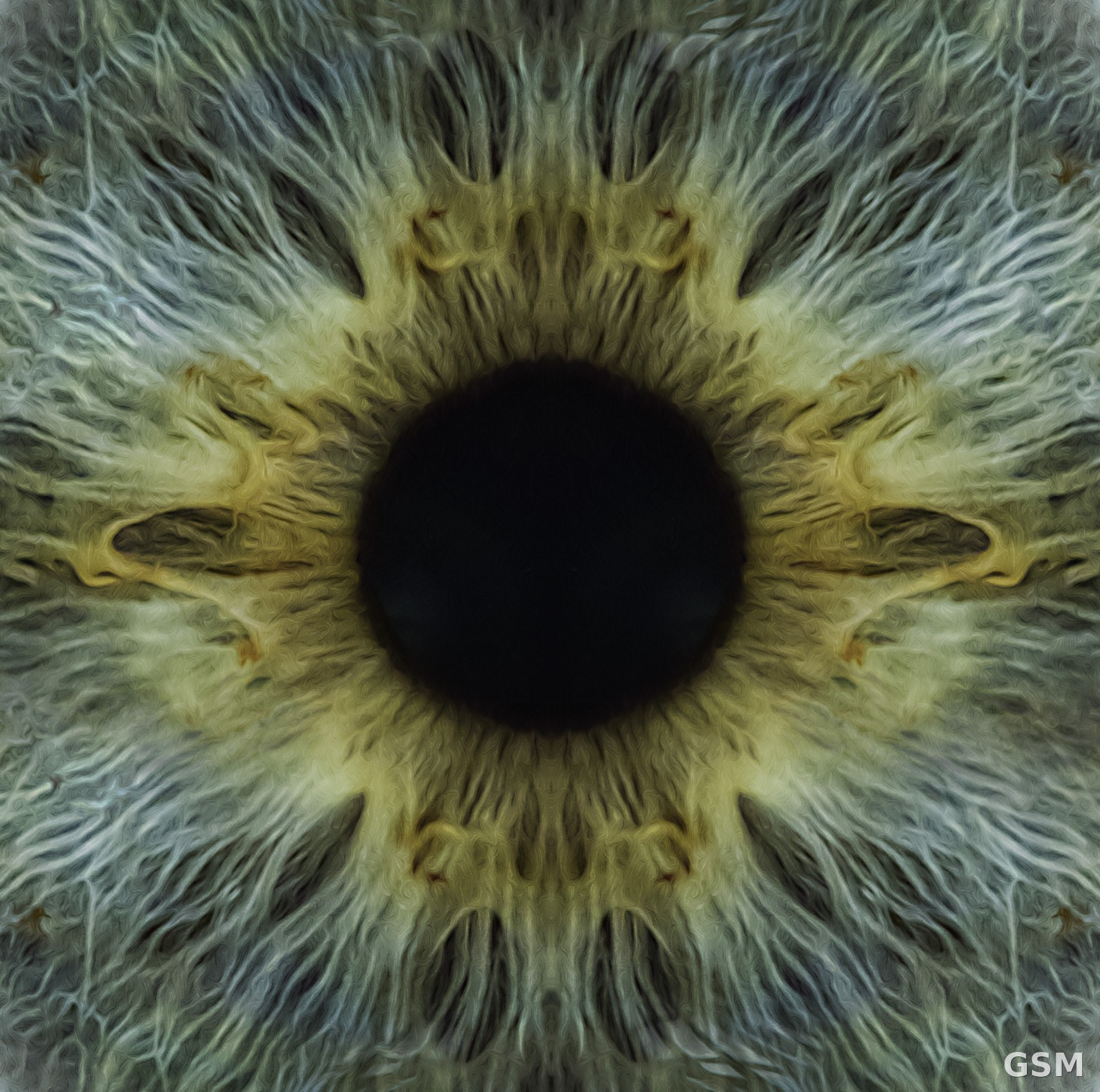
Photo: 图:人眼瞳孔与虹膜特写。Carlos Andrés Reyes from Cologne, Germany,CC BY 2.0,经 Wikimedia Commons。 / Photo: Carlos Andrés Reyes from Cologne, Germany, CC BY 2.0, via Wikimedia Commons.
 Silicon Carbide Nanomaterials in Disc Brake Pads: 0.5% Loading Raised Average Brake Force by Up to 19%, With Fade Resistance Up to 130°C2026-11-14
 PEBA-PEMA Blend Membrane Separates 1-Butanol With Flux of 0.19 kg/m2/h and Separation Factor of 15.5 at 5 Percent PEMA, Published in Scientific Reports on November 132026-11-14