USDA Delays Enforcement of SNAP Stocking Rule by 90 Days, Moving Retailer Compliance Deadline to February 2, 2027

The U.S. Department of Agriculture (USDA) announced on November 13 that it is delaying enforcement of its new Supplemental Nutrition Assistance Program (SNAP) retailer stocking rule by 90 days: the compliance deadline for SNAP-authorized stores nationwide, originally November 4, moves to February 2, 2027. New York City Mayor Zohran Mamdani announced the outcome at a news conference the same day, saying it resulted from his direct conversations with President Donald Trump and Agriculture Secretary Brooke Rollins and that the delay applies nationwide.
The rule, issued by USDA's Food and Nutrition Administration (FNA) in May and effective July 7, requires stores authorized under the inventory standard to stock at least seven varieties in each of four staple food categories - dairy, grains, protein, and vegetables or fruits - for a total of 28 varieties, with at least three units of each variety, or 84 units in all, and perishable food in at least three of the categories. The previous standard was three varieties per category. The rule implements a requirement of the 2014 farm bill, and compliance is checked when stores are authorized and reauthorized; a store that loses SNAP authorization for failing to meet the standards must wait six months to reapply.
The push for a delay came mainly from small stores. New York City has more than 10,000 neighborhood bodegas, and Mamdani said in a news release that hundreds of owners had sought help from City Hall. At his news conference, he said SNAP purchases account for 15 to 30 percent of such stores' sales, and that small shops with limited shelf and refrigeration space could not meet the standards in the short time given. In a November 2 letter to Rollins, Mamdani had asked for a six-month delay and noted that USDA did not issue guidance on the new requirements until September 4; twelve Republican senators and industry groups including the National Association of Convenience Stores (NACS) had also sought more time. USDA initially said on November 4 that it would not extend the deadline, then reversed course on Friday.
In a statement, a USDA spokesperson said the convenience store lobby had spent millions fighting a policy that ensures children have access to more healthy foods, adding: "Today, the department will afford retailers 90 more days to get it right," and that recipients, regardless of ZIP code and community, should have access to more than jelly and meat sticks. In his news release, Mamdani said: "Without more time, many of these stores risked losing the ability to accept SNAP - threatening their livelihoods and making it harder for families to put food on the table." He said the extension would last at least 90 days and that city agencies would work with USDA to help store owners get the outreach and resources they need. Margaret Mannion, a director of government relations at NACS, called the announcement a victory for convenience retailers across the country and thanked President Trump, Mayor Mamdani and Secretary Rollins for giving retailers more time to comply.
The delay applies to SNAP-authorized retailers subject to the new rule nationwide, including convenience stores, small grocery stores and farmers markets. Stores can use the grace period to secure the necessary goods and storage equipment and meet the stocking standards before the new compliance deadline of February 2, 2027.
Source: U.S. Department of Agriculture
Published by GSM · USA (original Chinese edition)
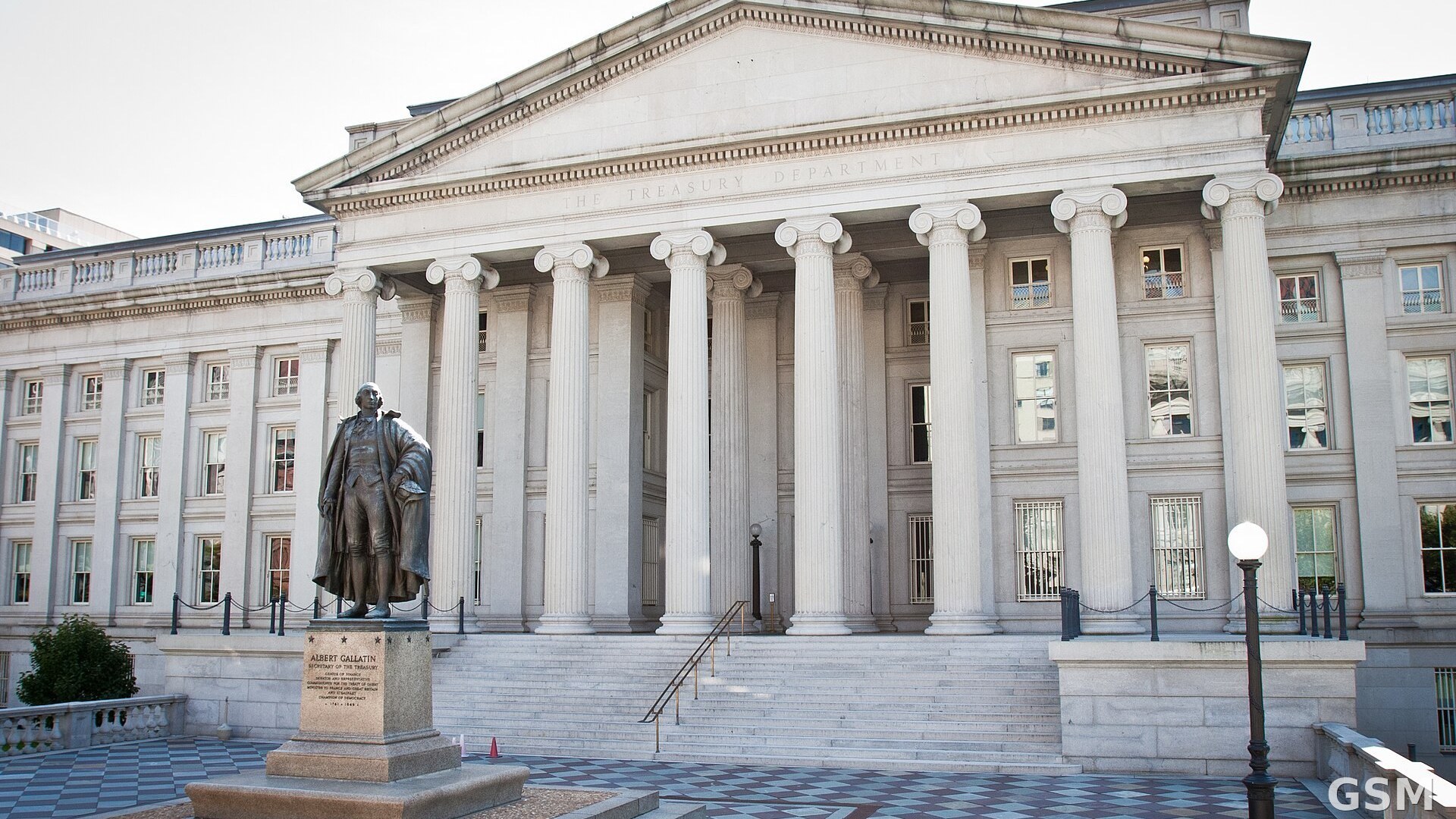
Photo: 图:美国农业部总部惠滕大楼(华盛顿特区)。美国农业部官方照片,公共领域,经 Wikimedia Commons,本站联邦图库固定图。 / Photo: The Jamie L. Whitten Building, headquarters of the U.S. Department of Agriculture in Washington, D.C. USDA photo, public domain, via Wikimedia Commons.