
The SQCDL-WIoT Quantum Convolutional Framework Screens Breast Cancer at 98.14 Percent Accuracy: An AUC of 0.9891 at 40x Magnification on BreaKHis in Scientific Reports, Published November 13
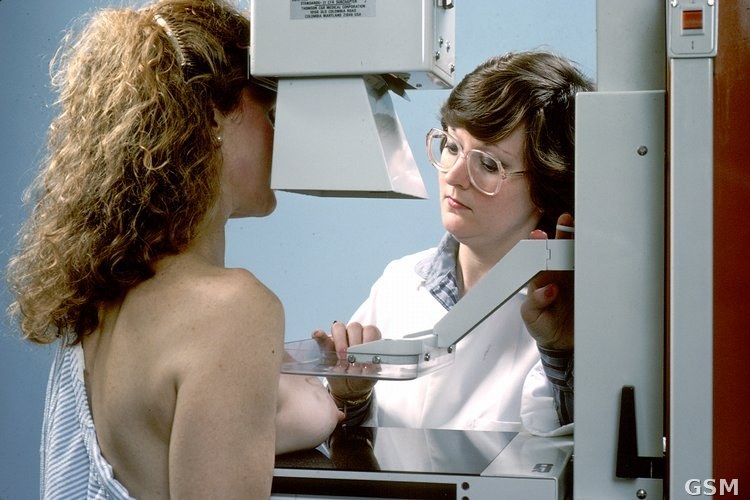
A study published in Scientific Reports on November 13, 2026, proposes SQCDL-WIoT, a scalable, wearable-based internet of things enabled quantum convolutional deep learning framework capable of multi-class breast cancer screening. The proposed method includes two variational quantum circuits with five qubits each that can be embedded into a ResNet-50 backbone. The authors are Ramudu, Saturi, Ramadevi and colleagues, and the paper carries digital object identifier 10.1038/s41598-026-73447-1, was received on May 4, 2026, accepted on September 23, 2026, and published on November 13, 2026. Using stratified five-fold cross-validation on the BreaKHis dataset and zero-shot transfer learning on the CBIS-DDSM dataset, SQCDL-WIoT demonstrated the highest accuracy of 98.14 percent, with macro-sensitivity of 97.63 percent, macro-specificity of 98.87 percent, and an area under the curve of 0.9891, when compared to all other baseline methods at 40x magnification on BreaKHis, according to the journal abstract. The authors stated that the study exclusively used publicly available de-identified datasets, namely BreaKHis and CBIS-DDSM, together with fully synthetic simulated wearable IoT and clinical metadata, that no human participants were recruited, and that no identifiable patient information was collected or analyzed.
(Source: Scientific)
Source: Scientific
Published by GSM · USA (original Chinese edition)
Photo: 图:一名女性正在接受乳腺X光检查、技师在旁操作设备。National Cancer Institute,公共领域,经 Wikimedia Commons。 / Photo: National Cancer Institute, public domain, via Wikimedia Commons.
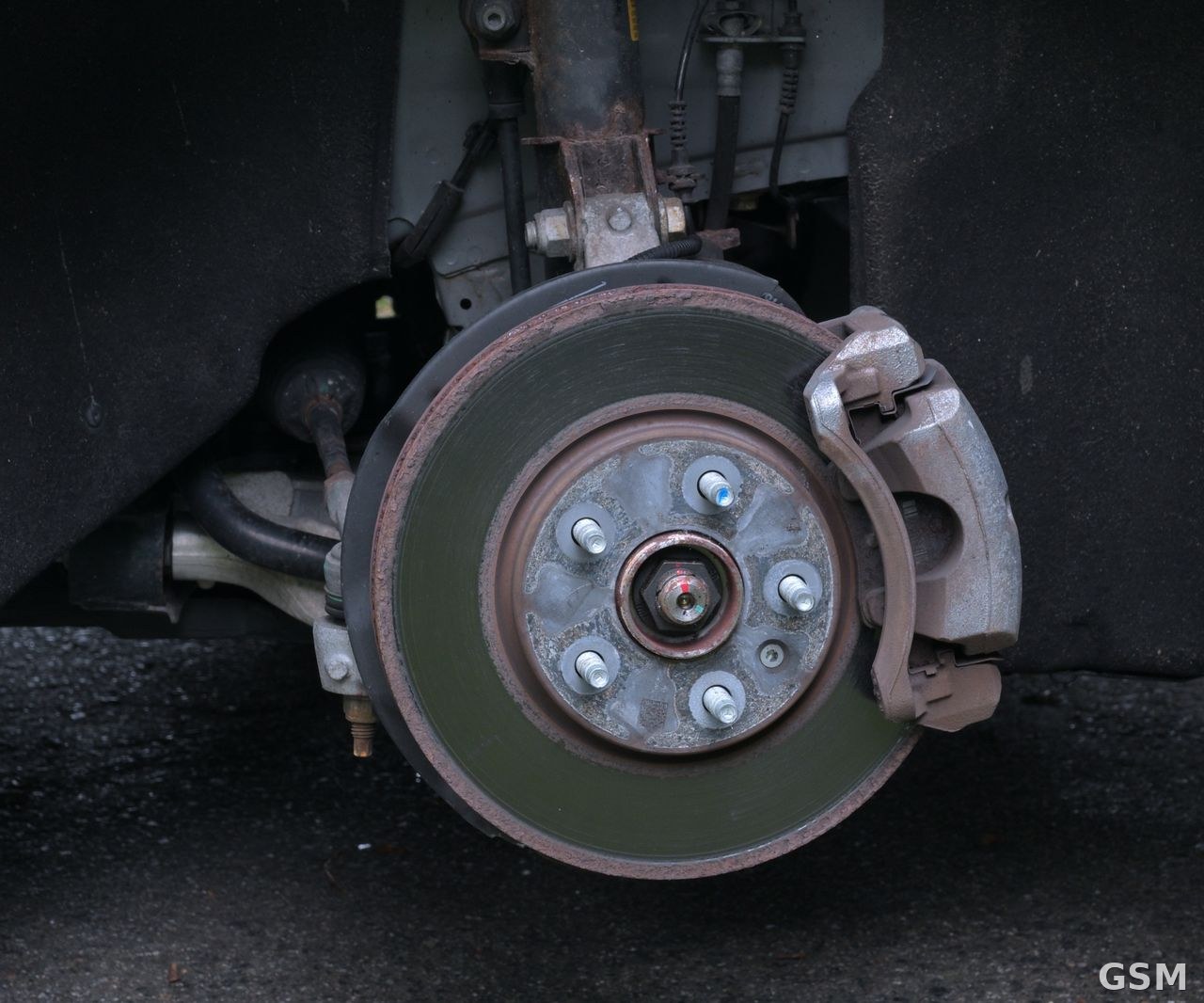 Silicon Carbide Nanomaterials in Disc Brake Pads: 0.5% Loading Raised Average Brake Force by Up to 19%, With Fade Resistance Up to 130°C2026-11-14
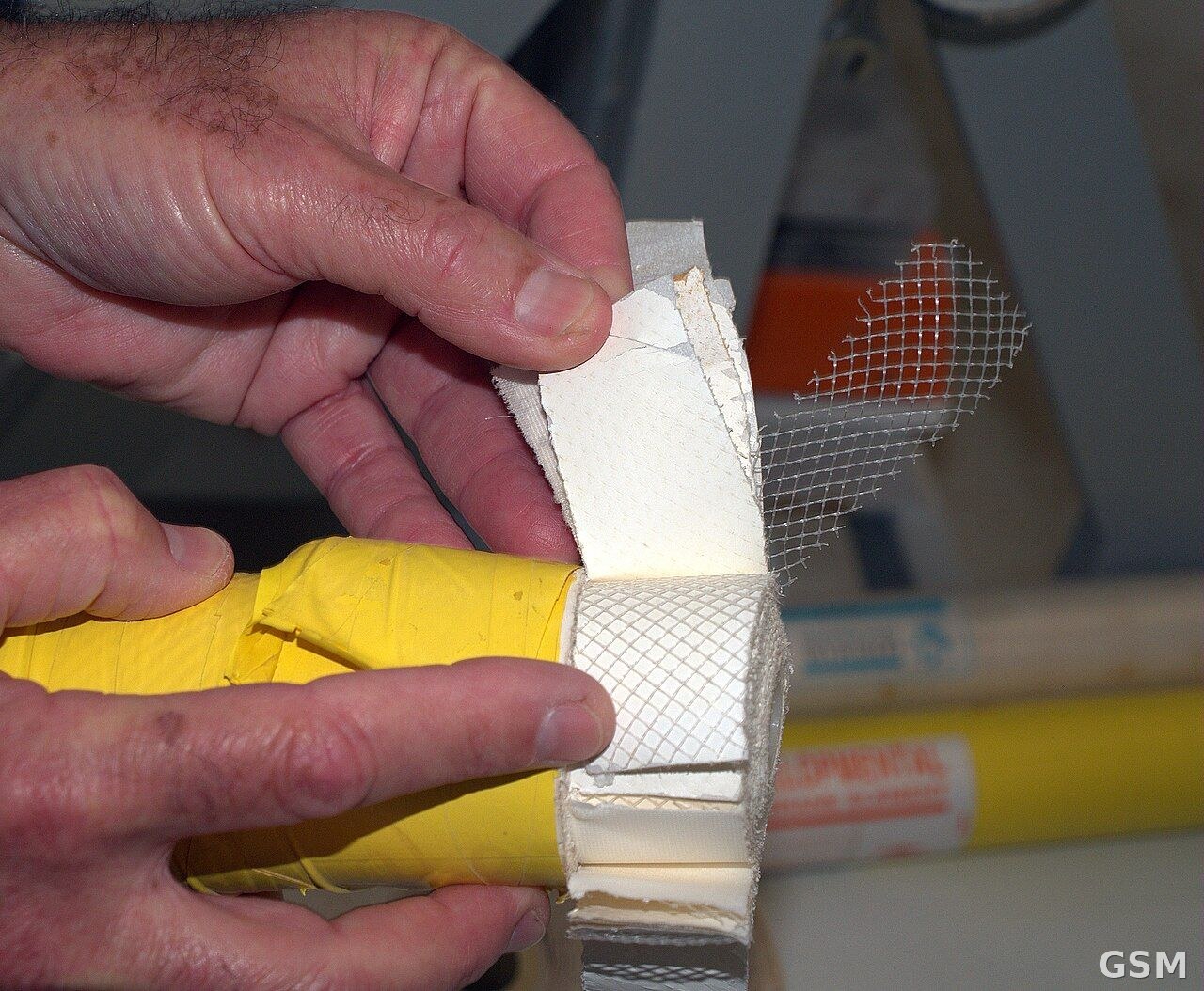 PEBA-PEMA Blend Membrane Separates 1-Butanol With Flux of 0.19 kg/m2/h and Separation Factor of 15.5 at 5 Percent PEMA, Published in Scientific Reports on November 132026-11-14